Katech Kool Shot Piston Oil Squirters - Gen V LT & Compatible LS Engines
Pistons Cooling without compromise.
A forged rotating assembly, more boost, and more rpm deserve a piston cooling plan that actually reaches the pistons themselves.
Katech Kool Shot piston oil squirters give engine builders another option for retaining targeted under-piston oil cooling as the combination changes. For an LT4 build, the decision starts with the rotating assembly, available clearance, and oiling system, not horsepower goals.
When to consider Katech Kool Shot Piston Squirters?
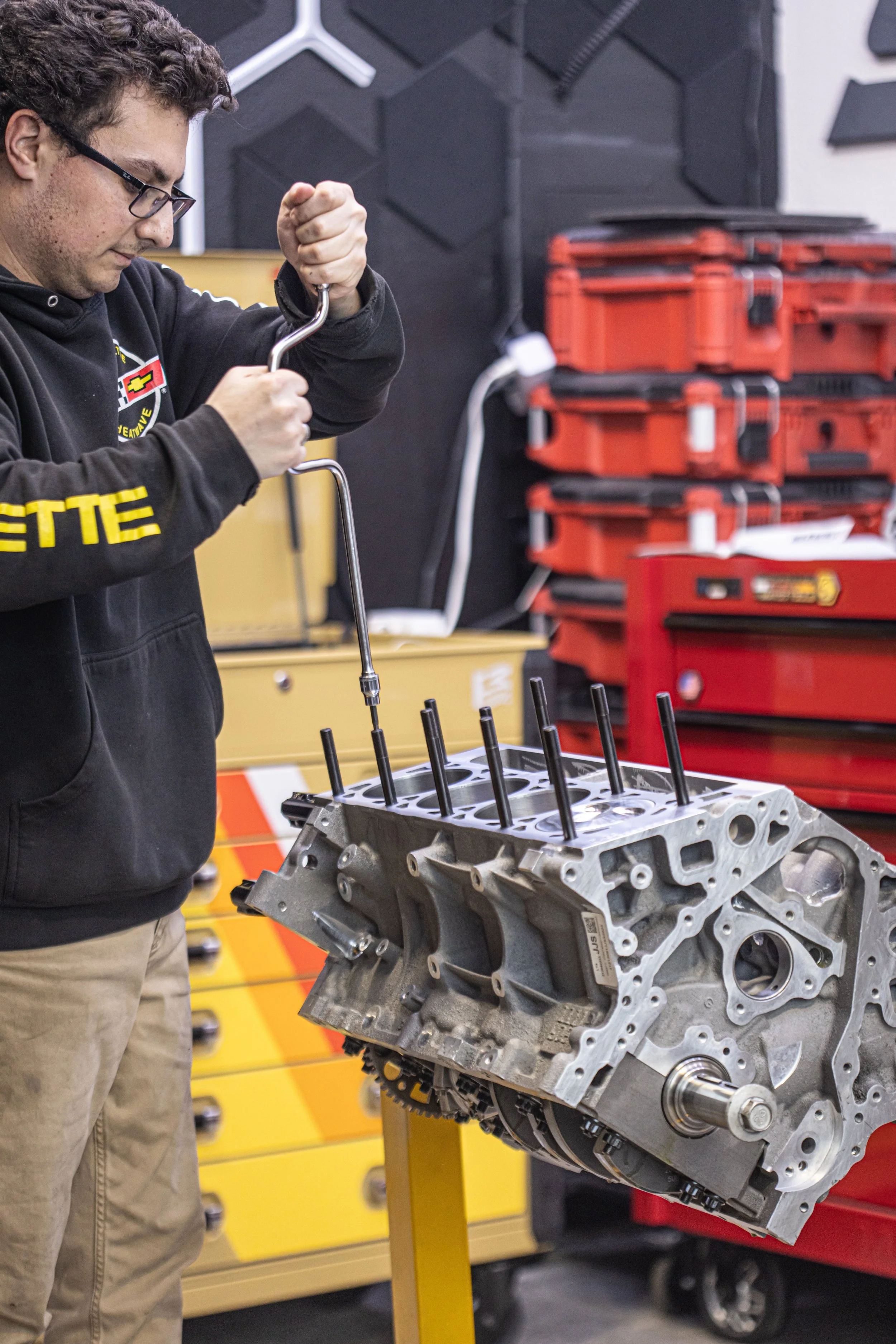
Enthusiasts and engine builders are turning to Katech piston squirters during stroker builds, forged-engine upgrades, and preparations for demanding track use. Documented examples include naturally aspirated 427ci LT1 combinations, supercharged 416ci LSA builds, and LS7-powered Corvettes built for road-course duty. A recurring reason is preserving targeted piston cooling when a longer crankshaft stroke or different piston design creates interference with the factory jets. For engines spending extended time under boost or at high rpm, builders also incorporate piston squirters into a broader oiling and cooling strategy. These applications make them worth evaluating while the engine is apart, with the builder checking nozzle placement, oil supply, and clearance throughout the rotating assembly’s complete travel.
Quick Take
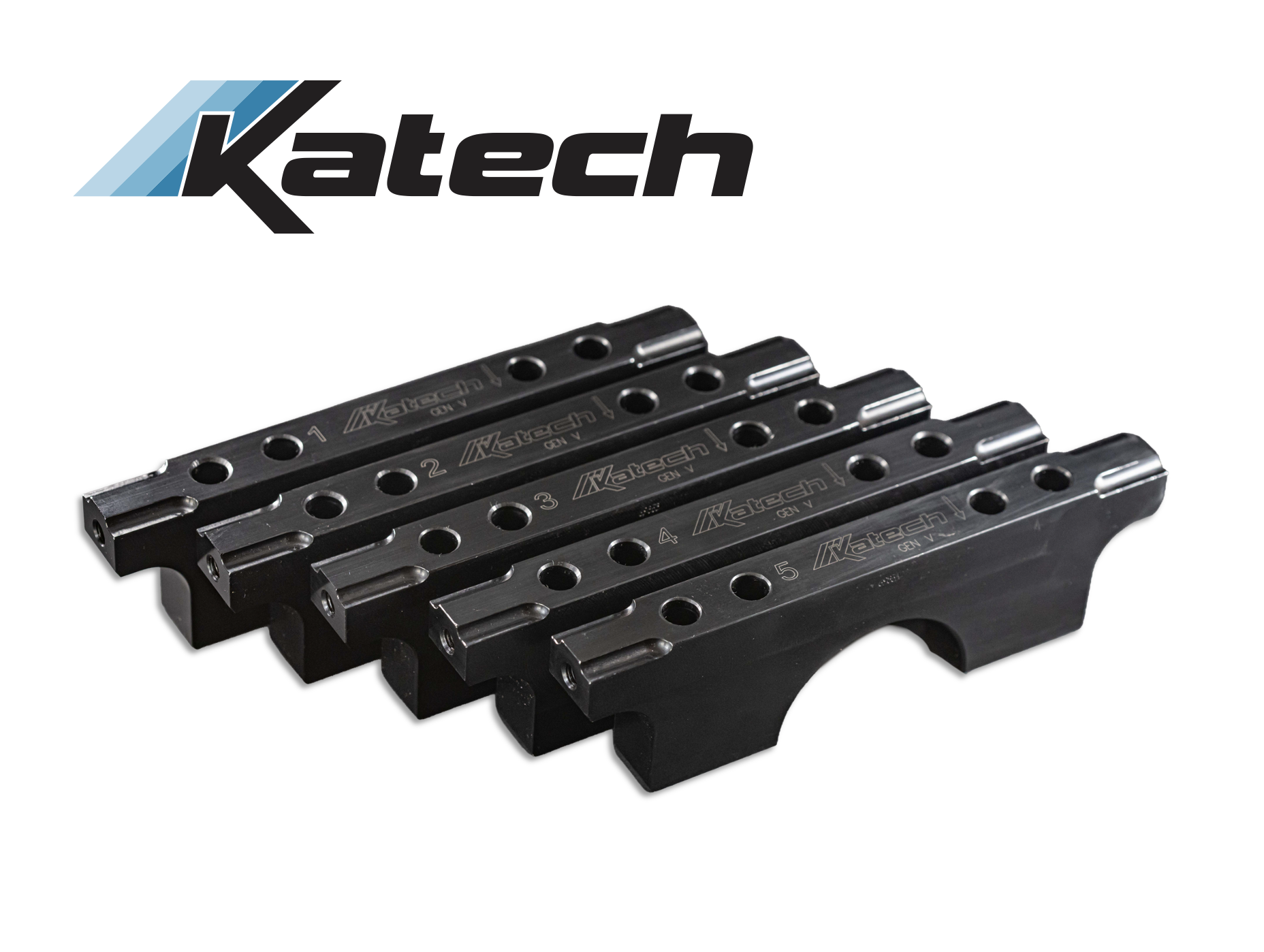
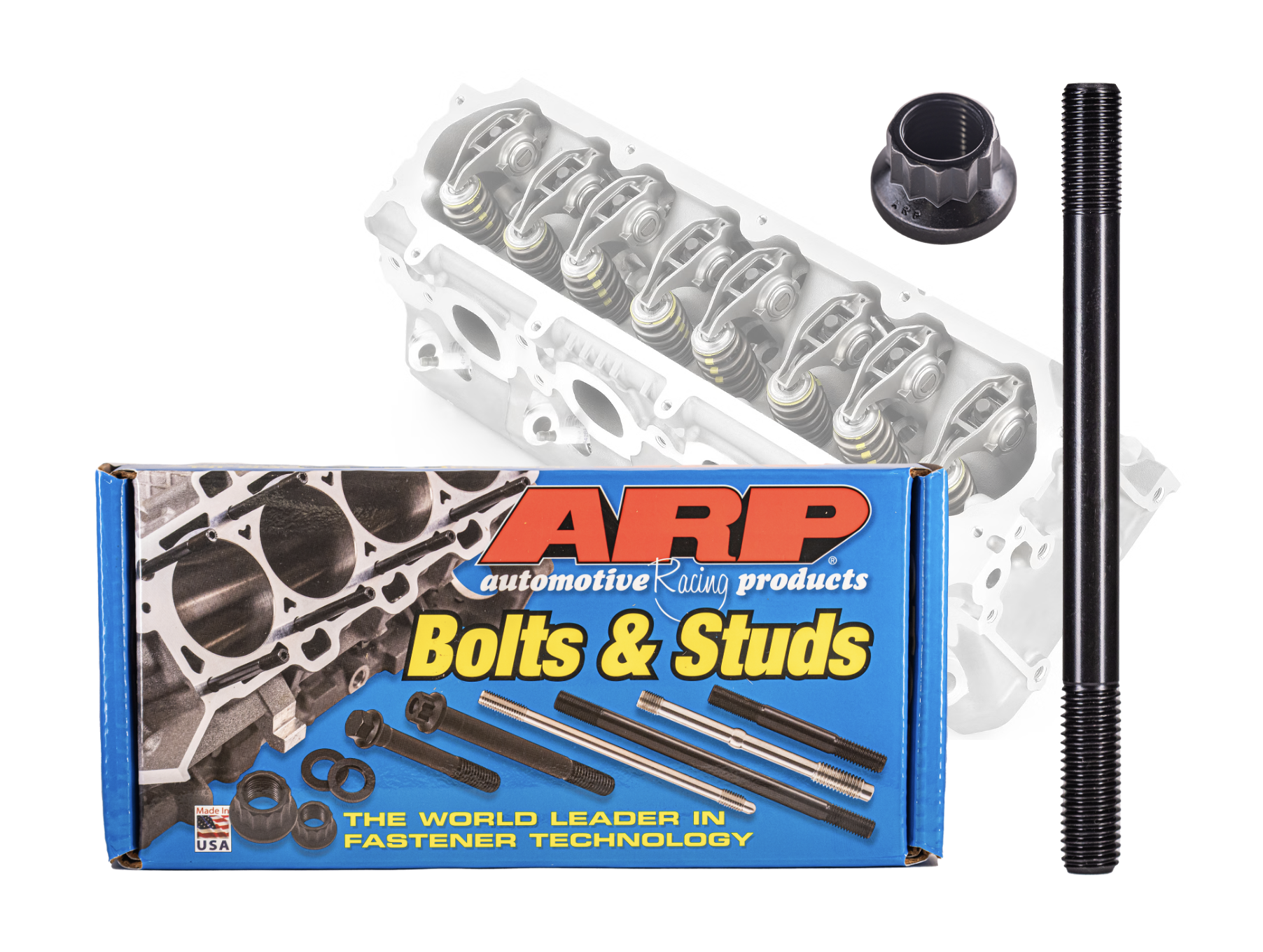
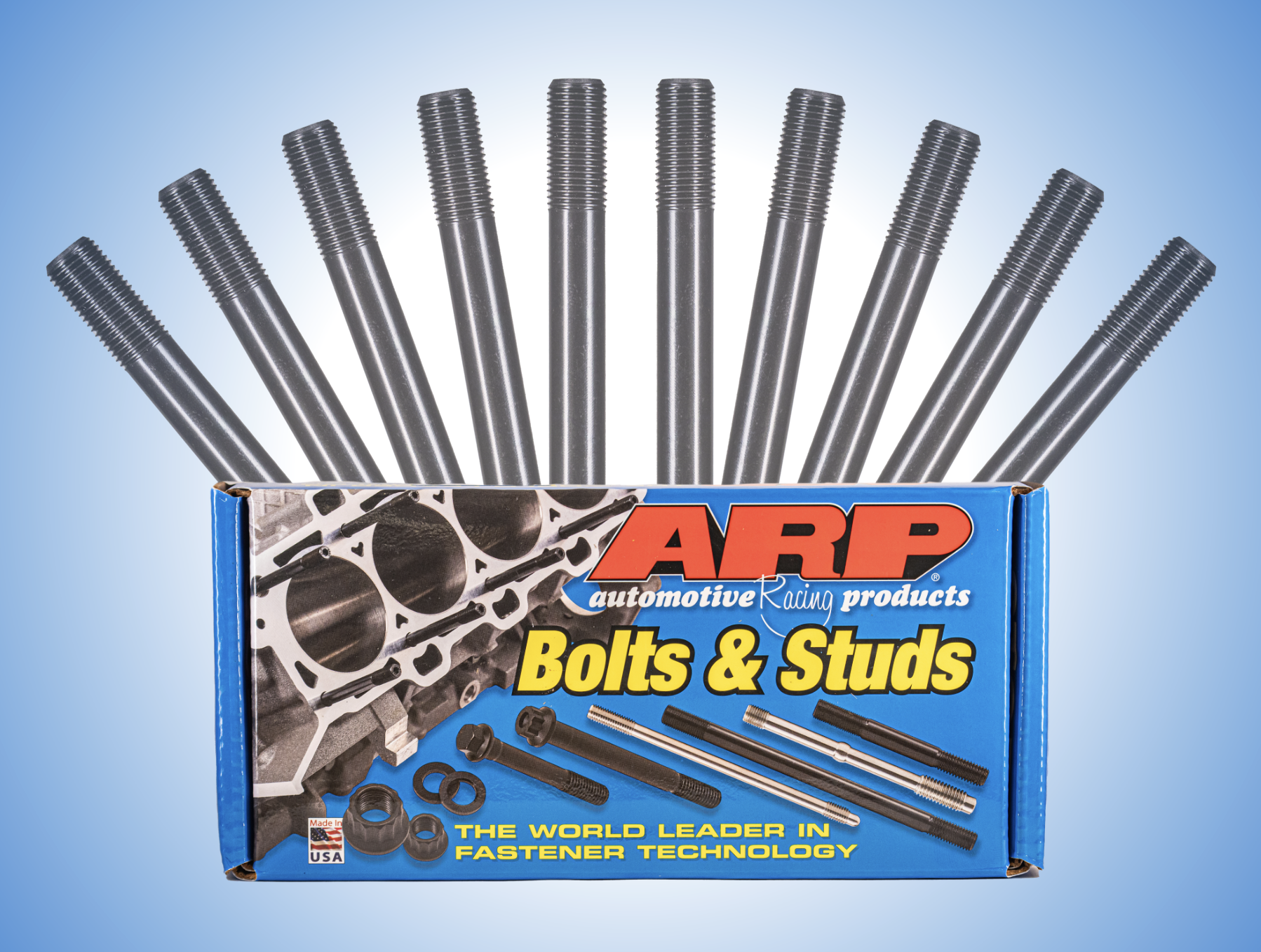
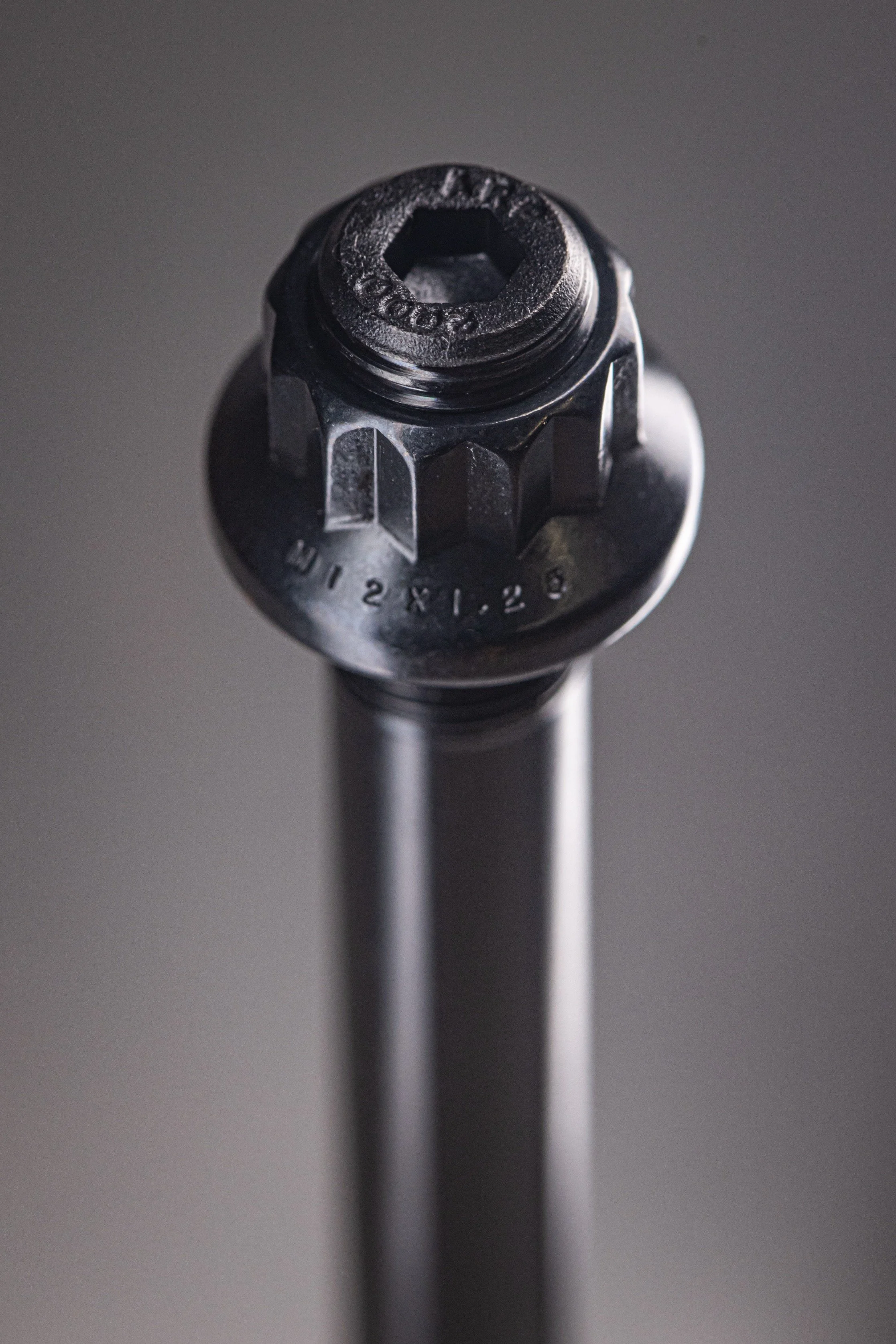
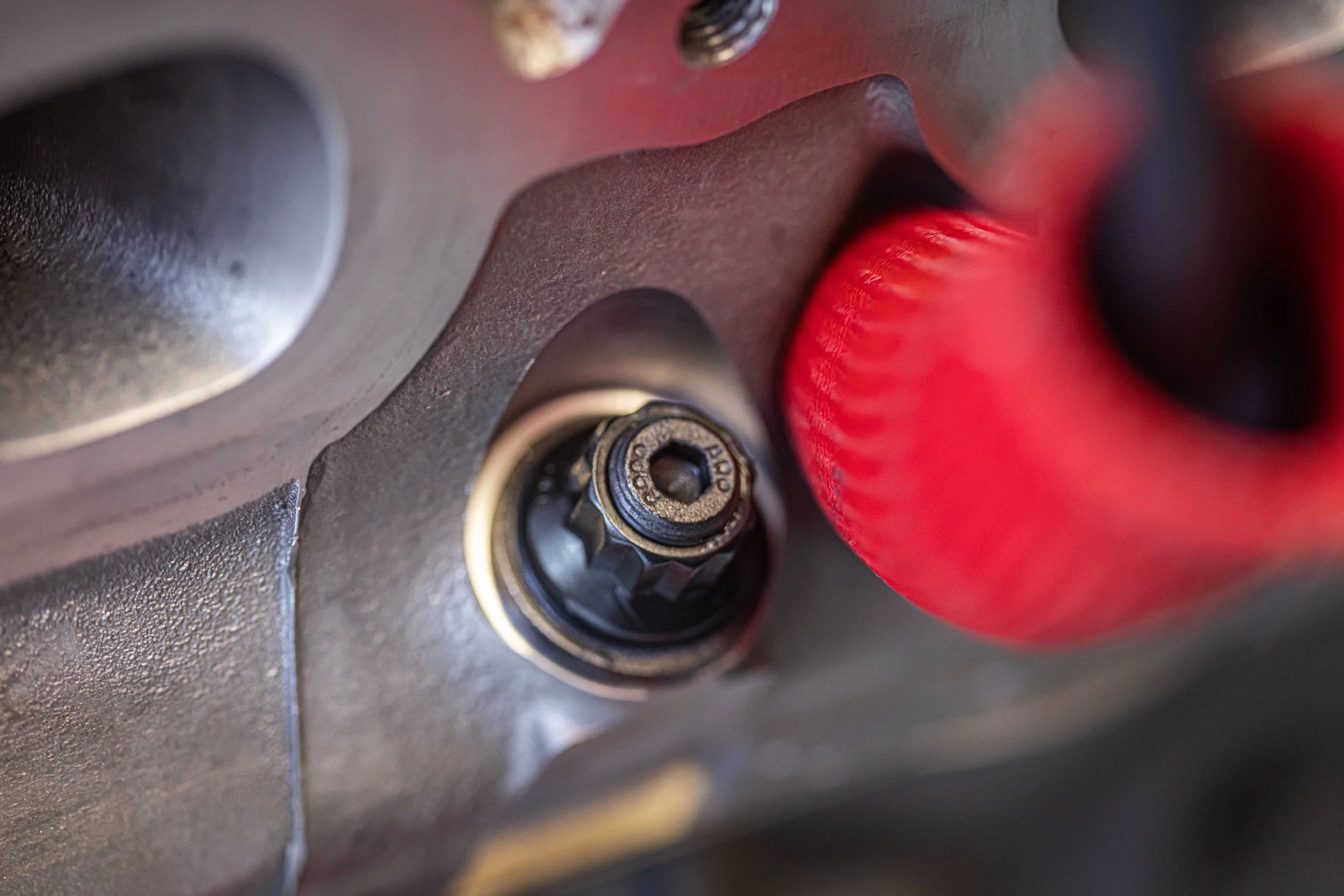
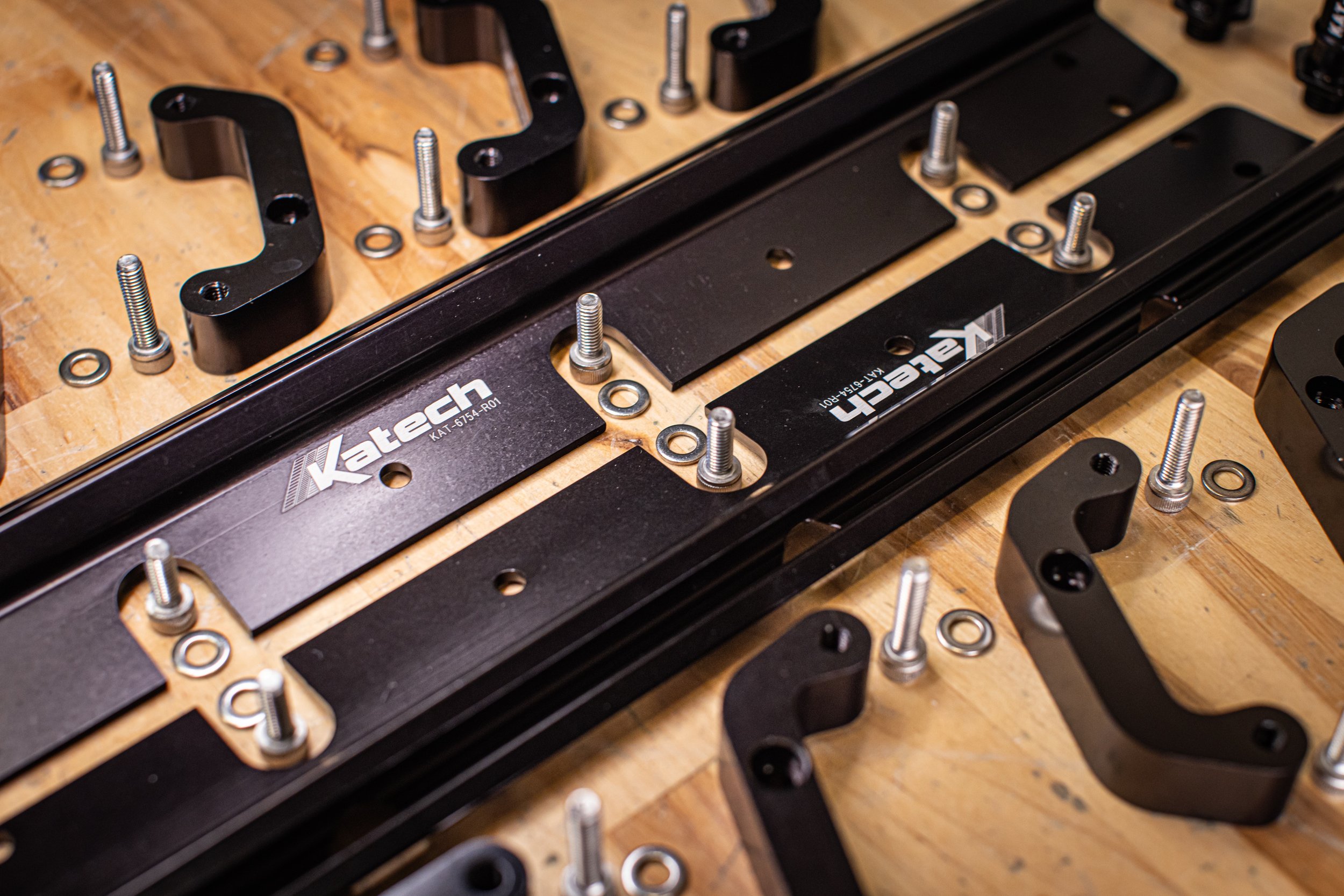
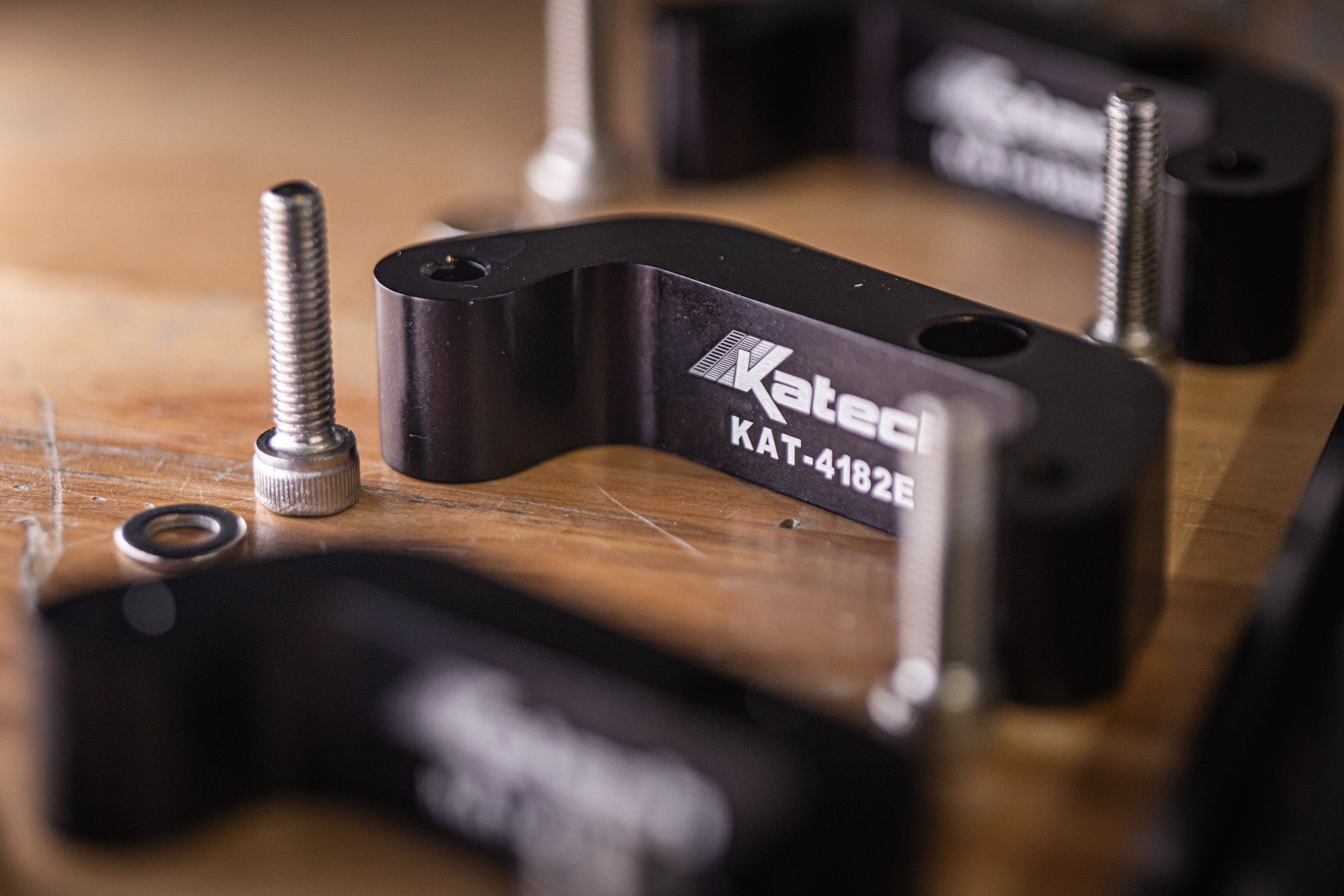
Kit Includes: Eight piston oil squirters with installation guide and hardware; Katech lists an OEM GM assembly bolt among the included fasteners.
Construction: Machined stainless steel with a tumble-polished finish, made at Katech Engineering in Michigan.
Stroke accommodation: Katech specifies 4.000 inches and longer, subject to assembly piston clearance.
Serviceability: Katech states that camshaft removal is unnecessary for squirter installation, and the squirters can remain installed during subsequent camshaft changes.
Plan before assembly: Blocks without suitable mounting provisions may need machining. Piston clearance must be checked with the actual rotating assembly.
Why Cool the Underside of the Piston?
The piston crown forms the moving floor of the combustion chamber. Heat entering that surface must travel through the piston and leave through several paths, including the rings and cylinder wall, and oil contacting its underside.
A directed oil jet brings moving oil into contact with the undercrown. As that oil absorbs heat and drains away, incoming oil renews the cooling film. This is forced-convection cooling: heat transfers from the hotter metal into the moving fluid.
The details matter. Oil temperature, jet velocity, nozzle position, and the area actually wetted influence heat transfer. A jet that clears the rotating assembly still needs to deliver oil where the piston can use it. Clearance and cooling effectiveness are related requirements, but checking one does not establish the other.
Your LT4 Already Has Piston Oil Cooling
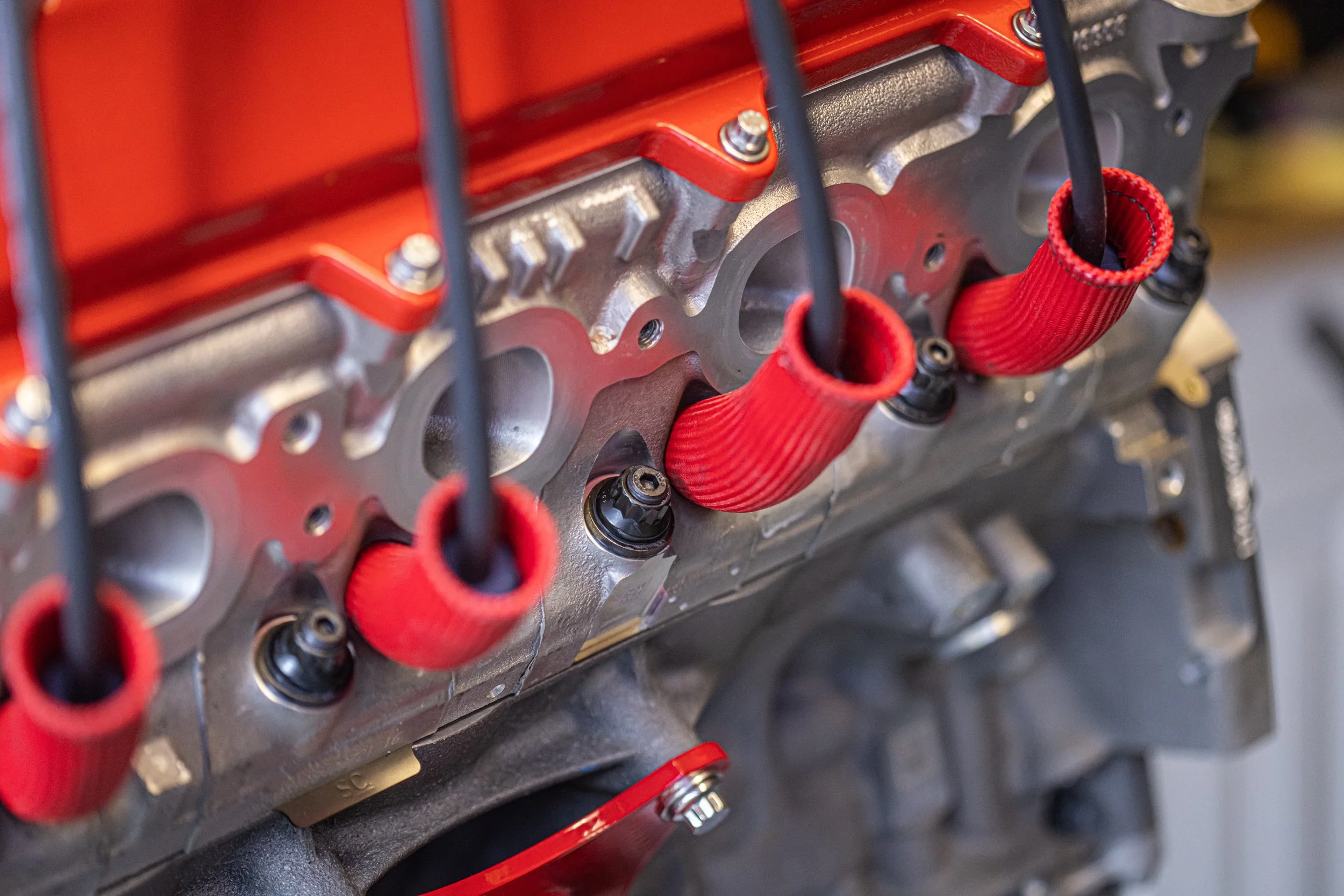
GM equips the Gen V LT4 with eight piston-cooling jets. They supply oil to the piston undersides and surrounding cylinder walls, supporting temperature control and lubrication.
That makes this a build-specific decision. When changing pistons, rods, or crankshaft stroke, evaluate whether the original jets remain compatible with the new assembly. Retaining targeted cooling can be particularly valuable when the intended use includes repeated high-load operation.
An otherwise compatible factory squirter does not automatically become inadequate at a particular horsepower number. The useful questions are whether it clears, where it directs the oil, and whether the complete oiling system supports the intended duty cycle.
Stroker Clearance Requires More Than a Stroke Number
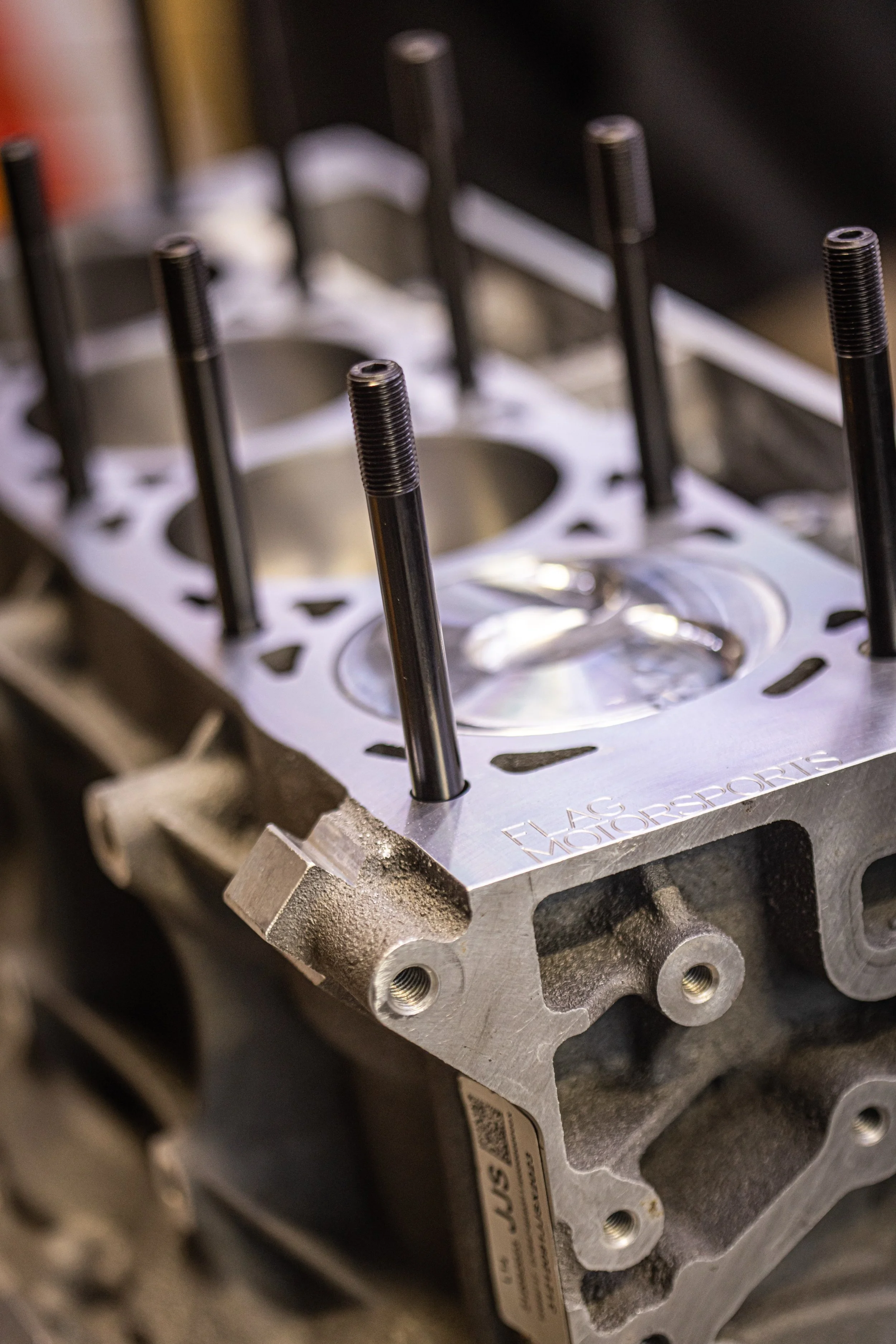
Changing stroke, rod geometry, piston compression height, or skirt design changes the relationship between the moving assembly and a stationary oil nozzle.
At mockup, the builder should evaluate the complete sweep of the crankshaft, rods, and pistons. The relevant clearance is the closest approach anywhere in the cycle—not just the position that is easiest to inspect.
Treat advertised stroke compatibility as a starting point. A short-skirt piston and a longer-skirt piston can present different clearance problems in otherwise similar builds. Any required piston modification belongs with the piston manufacturer and engine builder, who can evaluate its effect on the component.
Piston Cooling Is Part of the Oil-System Plan
Oil carries heat away from the piston; the engine’s heat-rejection system must then dispose of that energy. Piston cooling and engine-oil cooling therefore perform complementary jobs. A cooler oil supply helps the thermal conditions at the jet, while the jet delivers that oil to the piston.
The supply also serves other engine components. Pump selection, bearing clearances, oil viscosity, operating temperature, and pressure control all belong in the same discussion.
Deleting a flow path may change indicated oil pressure, but a higher gauge reading alone does not establish better piston temperature control. Likewise, fitting different squirters does not establish that the pump needs replacement. Evaluate the complete combination and verify oil pressure at operating temperature.
Fitment
Katech lists these engine families:
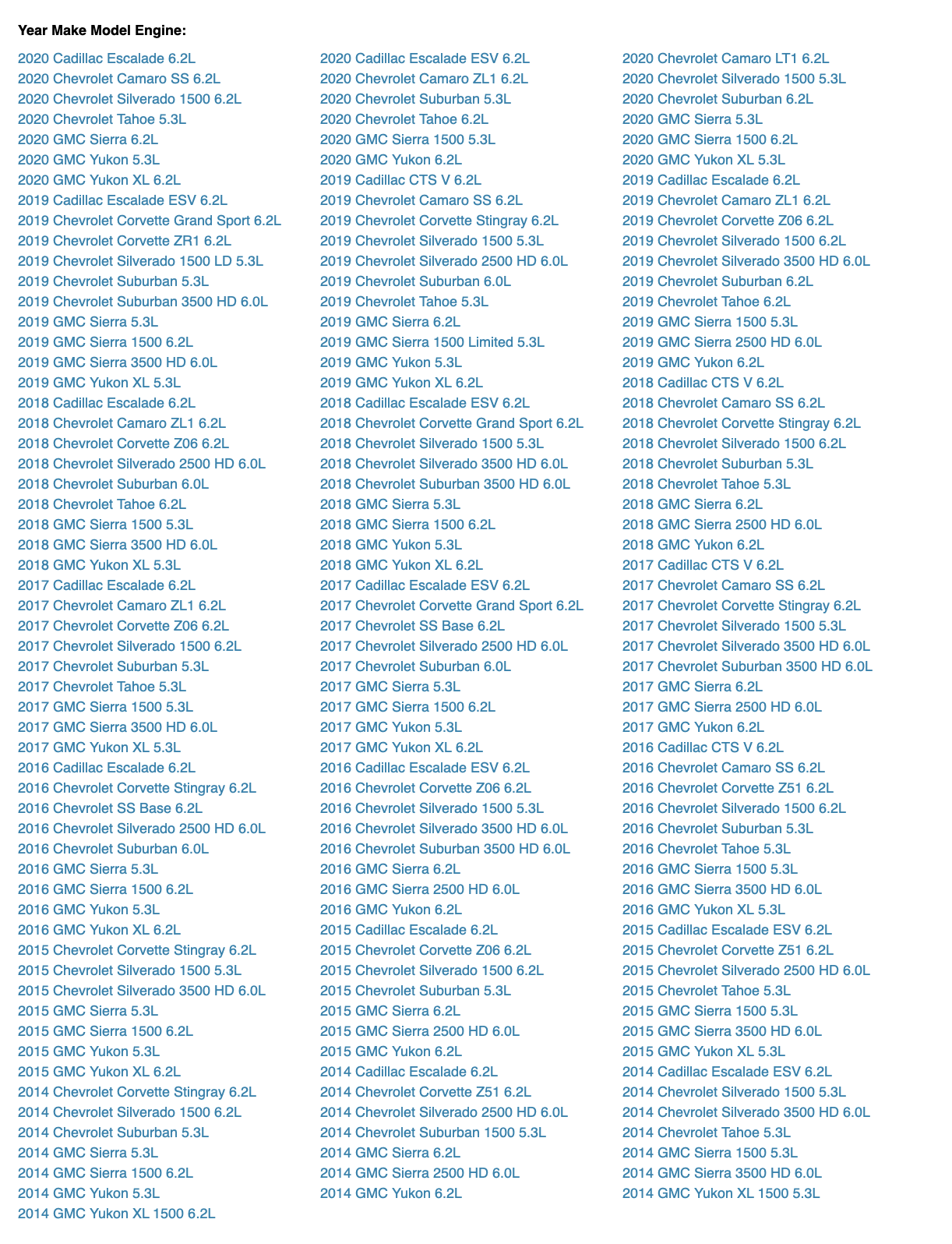
Gen V: LT1, LT2, LT4, LT5, L83, L86, and L8T.
LS: LSA and LS9; LS2, LS3, and LS7 require block machining.
Excluded: LS1, LS4, LS6, C5-R, and RHS blocks. RHS applications require their own nozzle design.
Engine identity takes priority over the badge on the car. Confirm the actual block, existing provisions, and internal parts, particularly for swaps, sleeved blocks, and previously modified engines.
Installation Planning
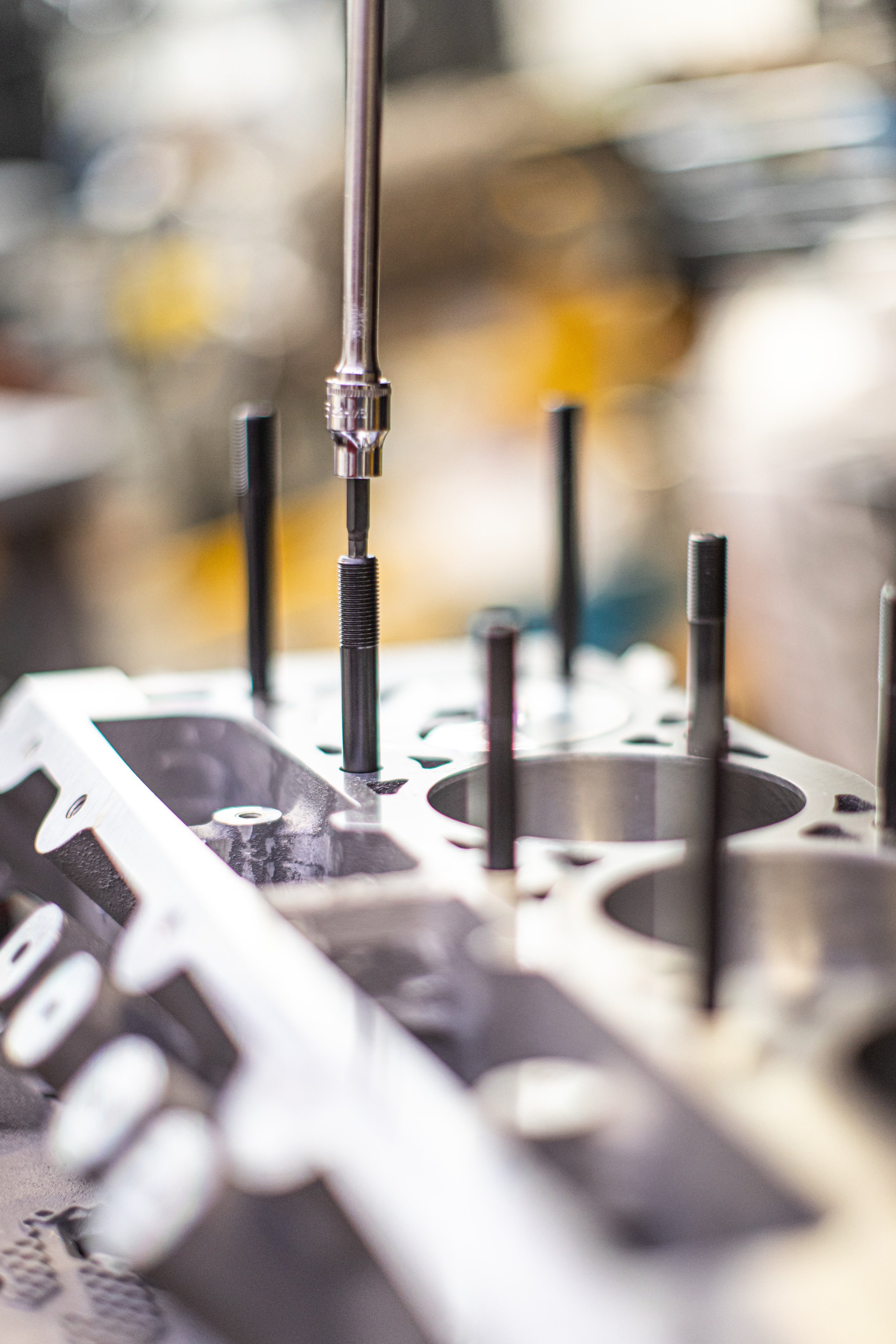
Have the engine builder check nozzle location, oil-feed alignment, fastener engagement, and moving-part clearance before final assembly. Machined oil passages must be thoroughly cleaned, and the lubrication system must be primed and checked using the applicable engine procedure.
Use the supplied instructions and current Katech guidance for fastening and installation. The camshaft-service feature does not establish that installation is possible in every assembled vehicle without additional disassembly.
Plan the Whole Combination With GMS
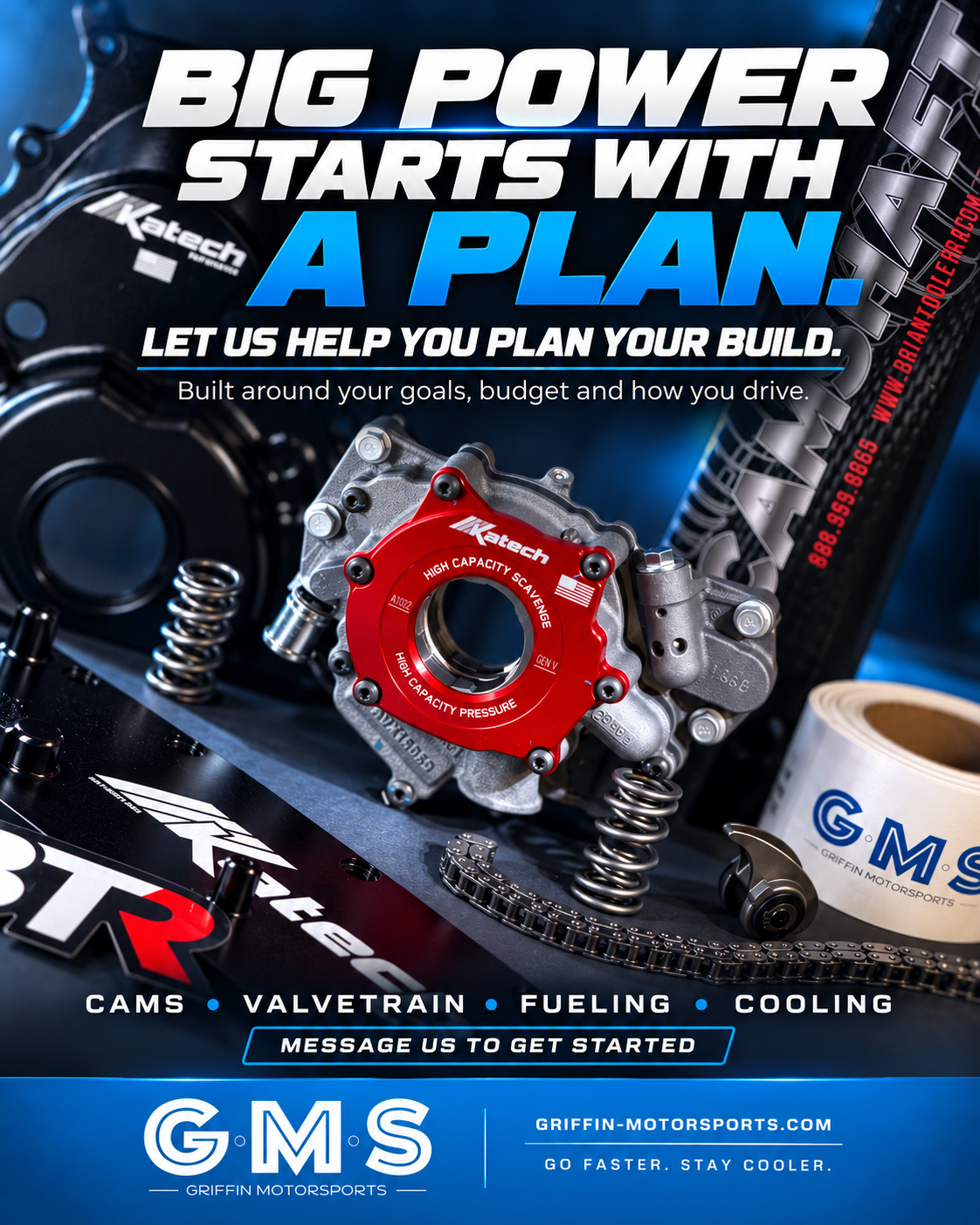
Tell us your engine and block, crankshaft stroke, piston and rod specifications, wet- or dry-sump configuration, and intended use. We can help you put the supporting parts into the build plan while your engine builder verifies the internal clearances.
Go Faster, Stay Cooler - from the piston outward.

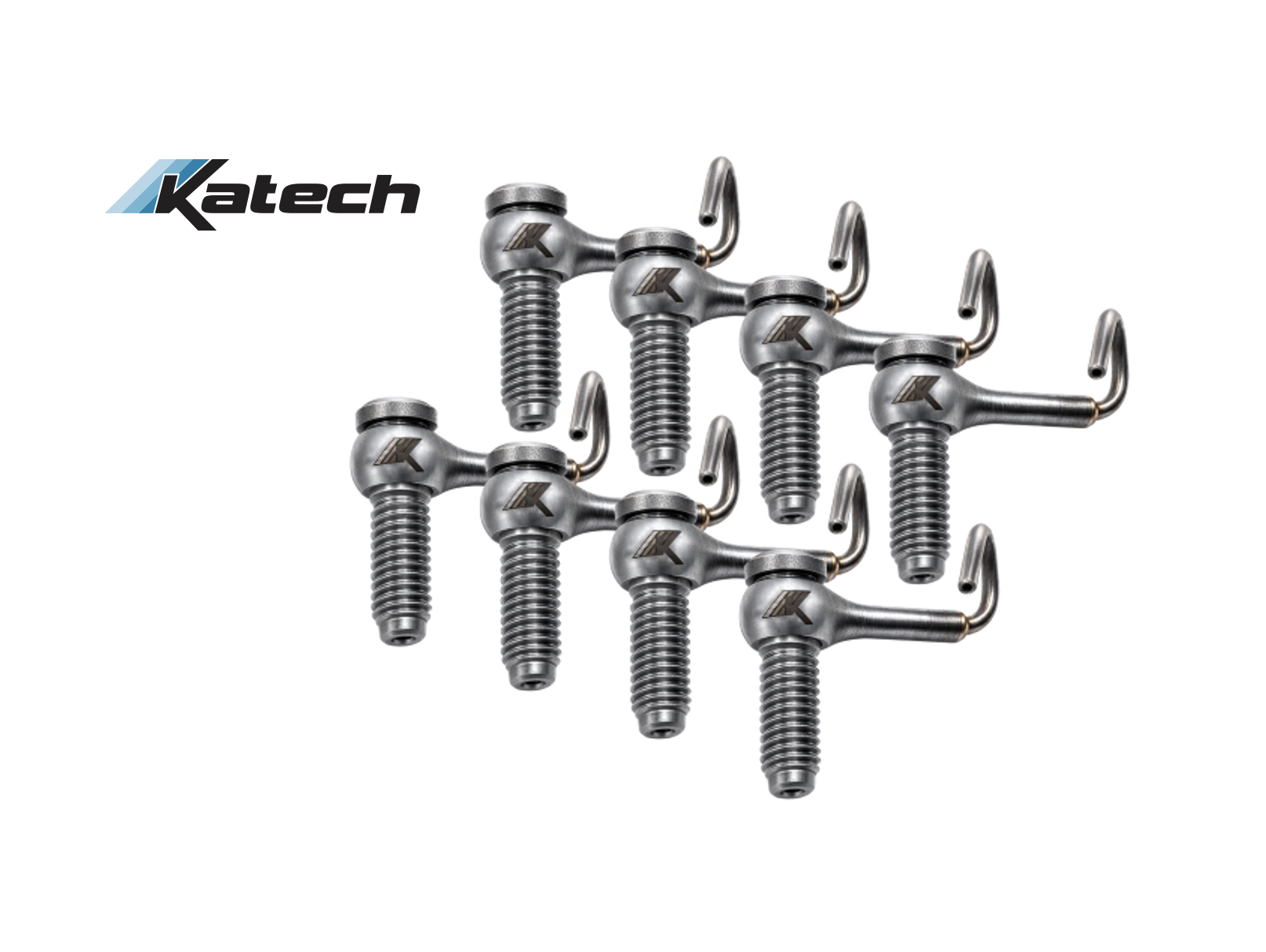 Image 1 of 5
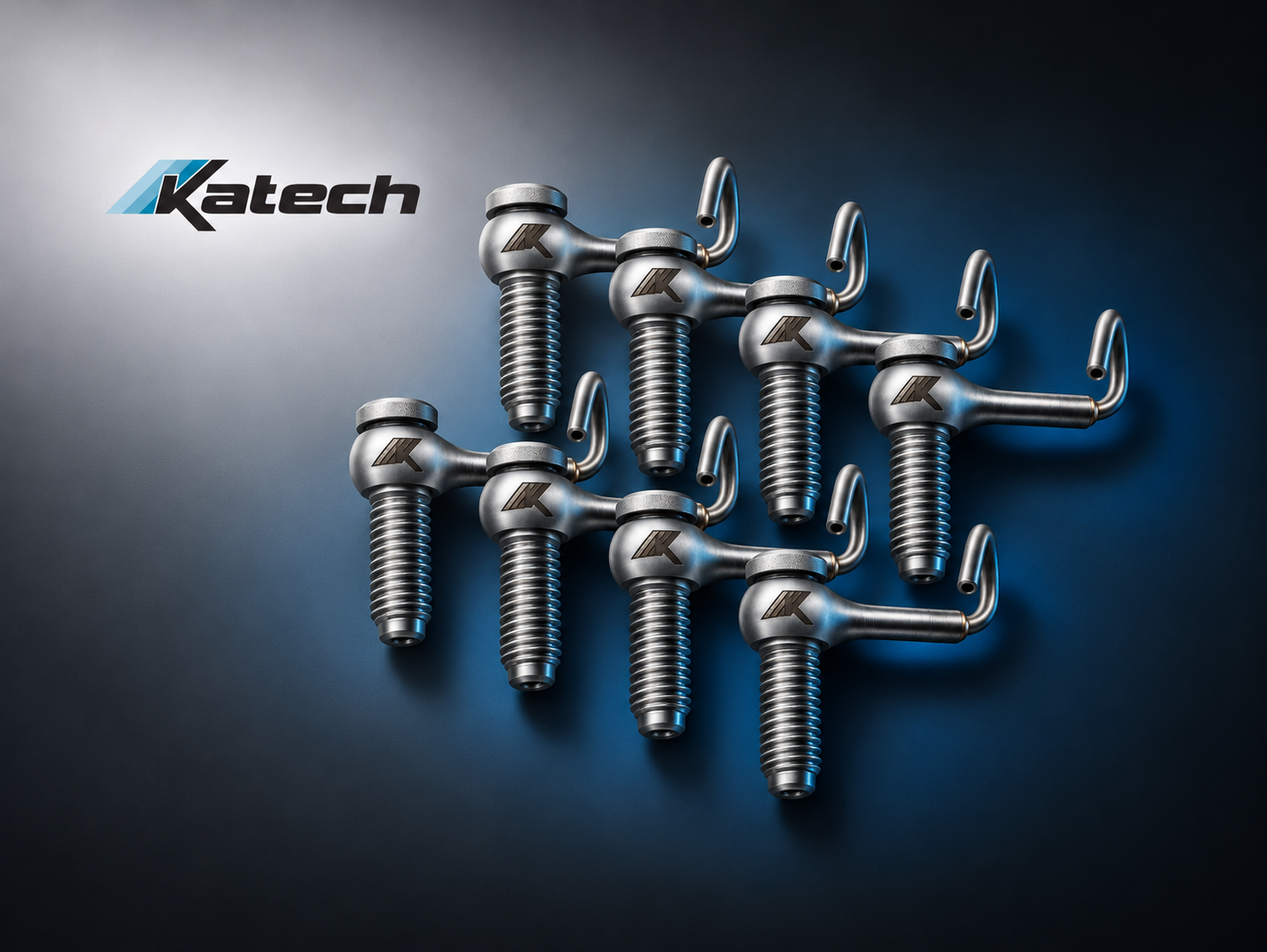 Image 2 of 5
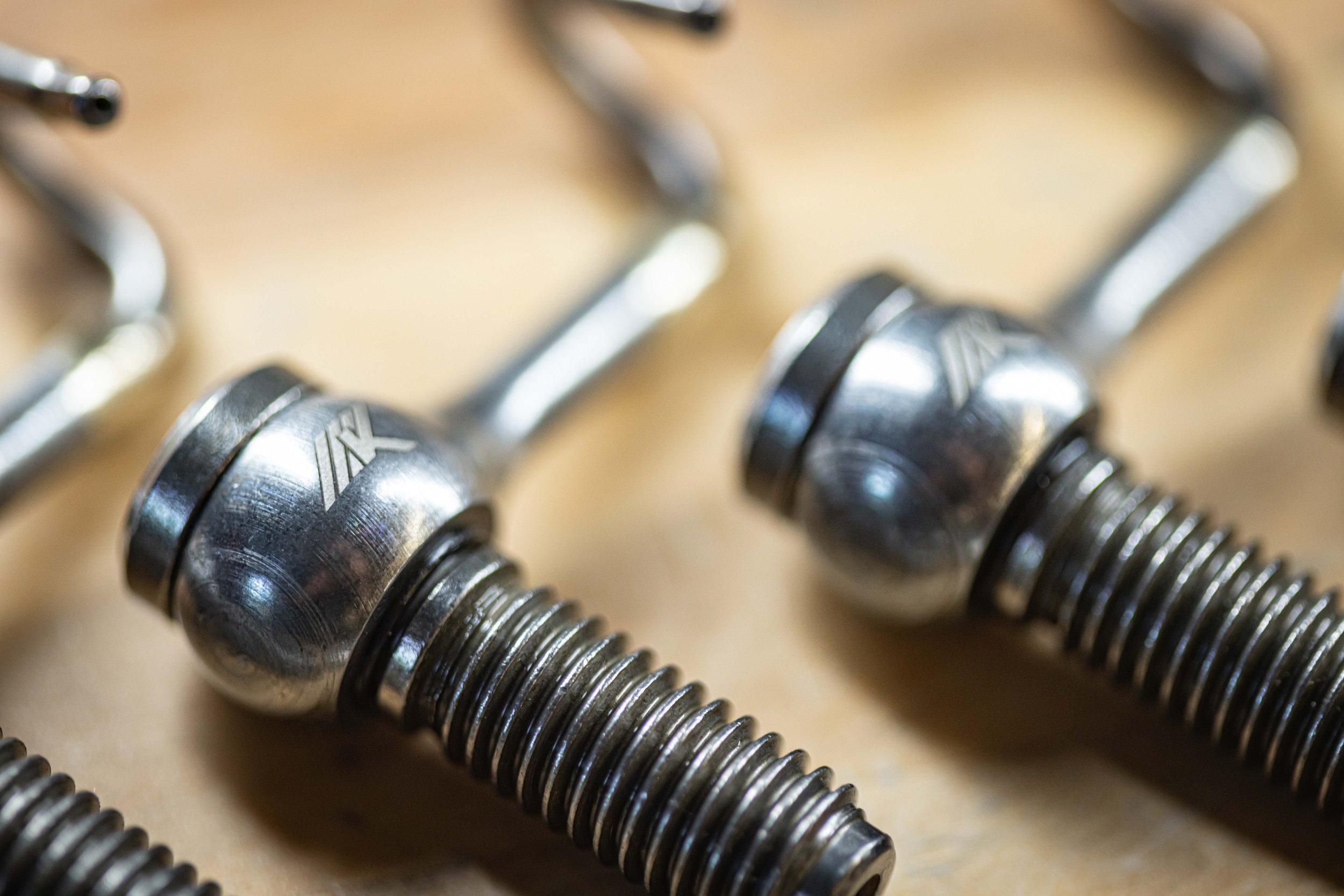 Image 3 of 5
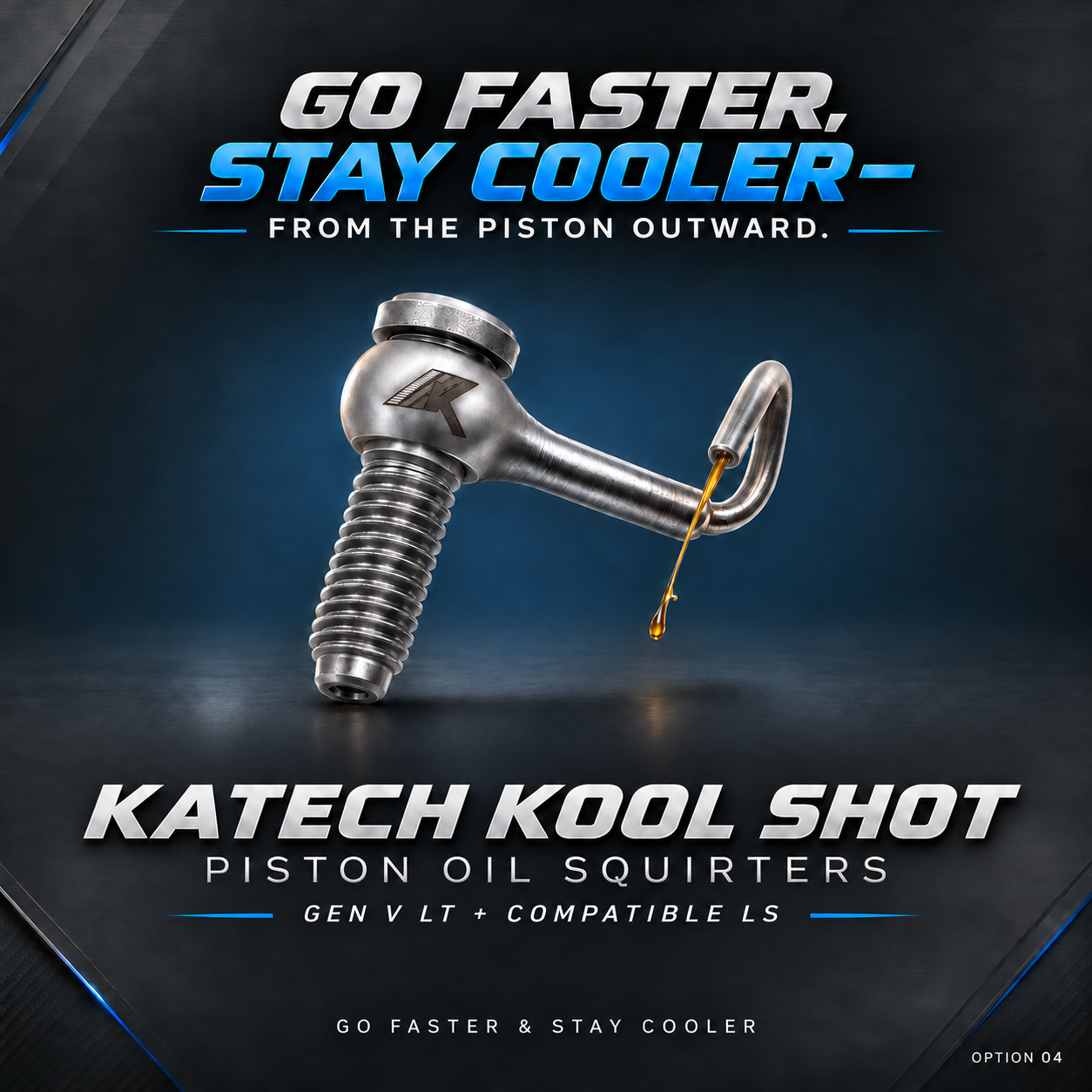 Image 4 of 5
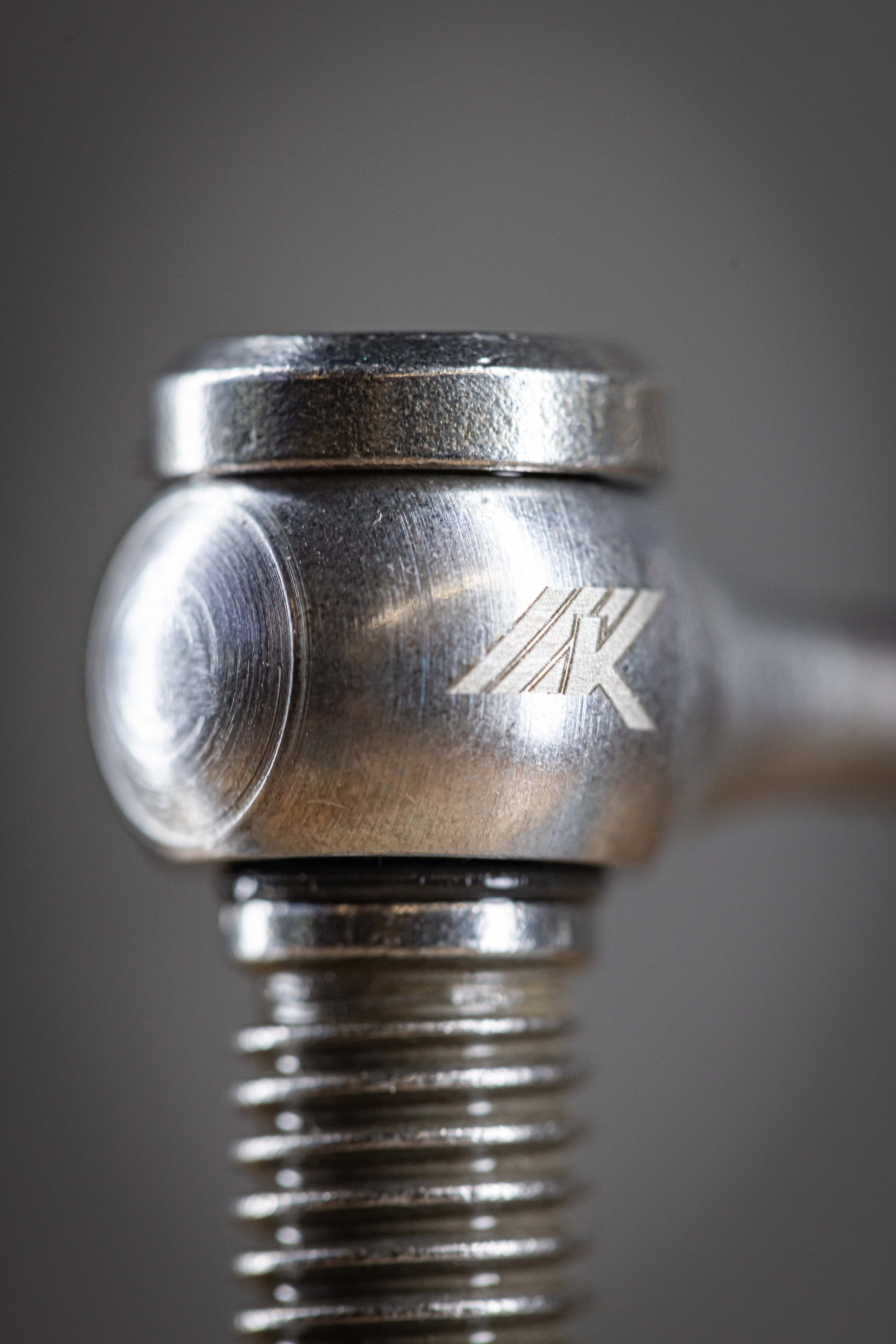 Image 5 of 5