DRIVEN Assembly Gel & Grease
You picked the right parts to assemble, now protect them like a PRO.
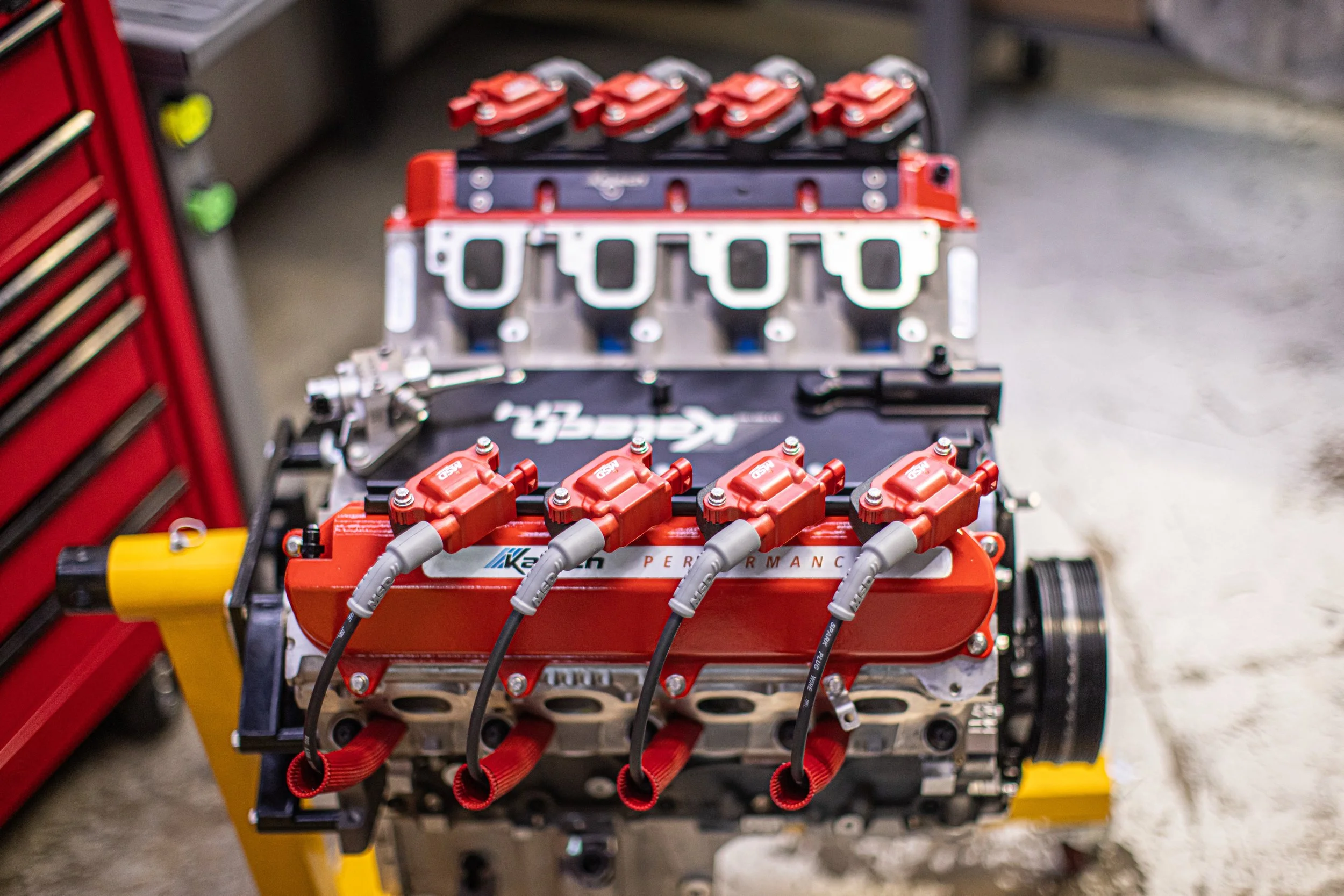
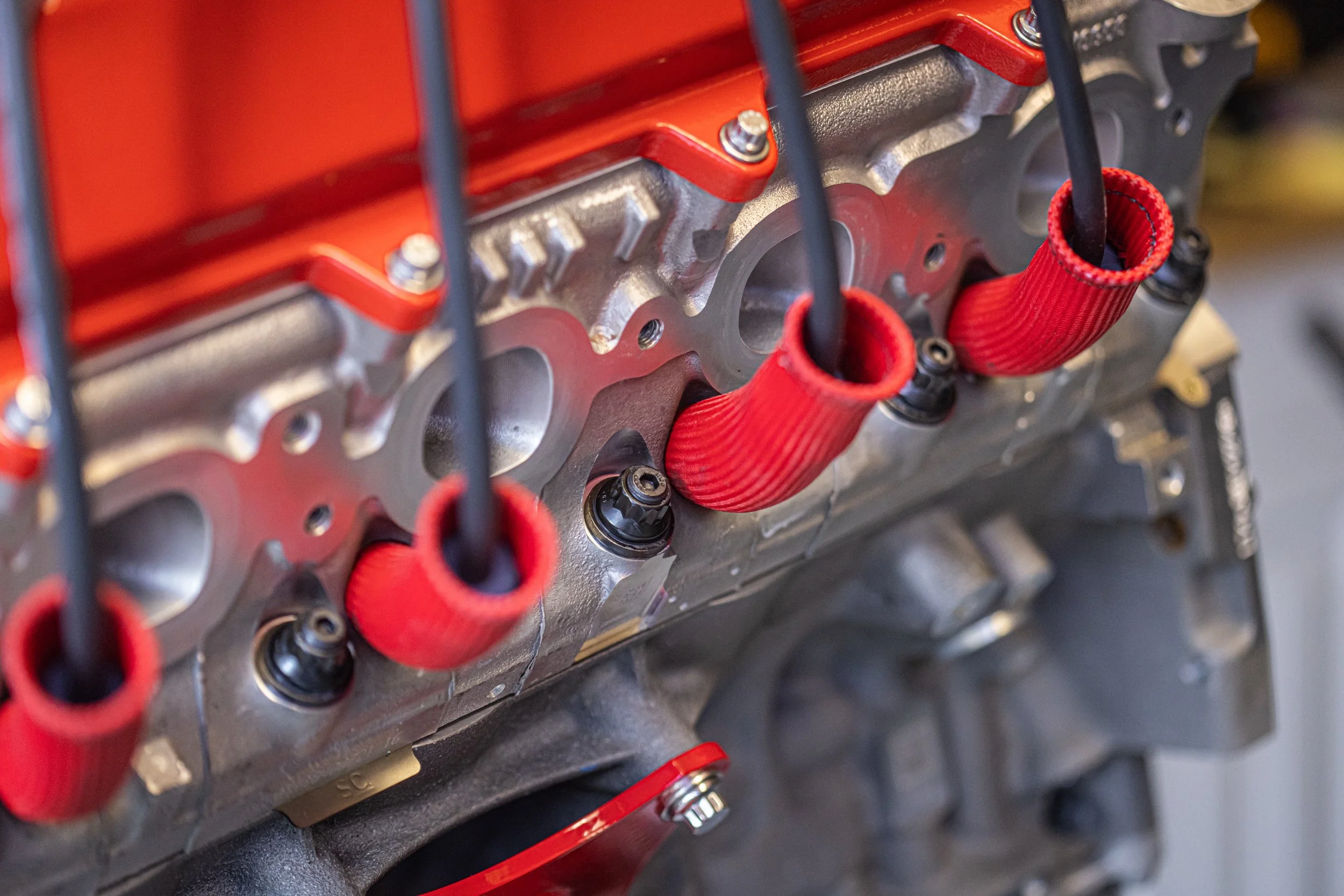
When a freshly built engine fires for the first time, every internal component is experiencing load for the very first time. Bearings are seeing pressure, camshafts and lifters are establishing their wear patterns, and piston rings are beginning the critical process of sealing against freshly honed cylinder walls.
This short window during the engine’s first hours of operation will determine whether the engine achieves maximum compression, peak horsepower, and long-term durability — or develops problems that can follow it for the rest of its life.
That’s why Griffin Motorsports carries the assembly lubricants designed specifically for freshly rebuilt engines or vehicles undergoing head, camshaft, or valve-train upgrades.
Why Proper Engine Break-In Matters
The break-in process is not simply about running the engine for a few minutes. It is a carefully controlled process where critical engine components must establish their wear patterns.
During the first startup and initial run-in period:
• piston rings must seat against the cylinder walls
• camshaft lobes and lifters establish wear patterns
• bearings experience full load for the first time
• valvetrain components operate under boundary lubrication
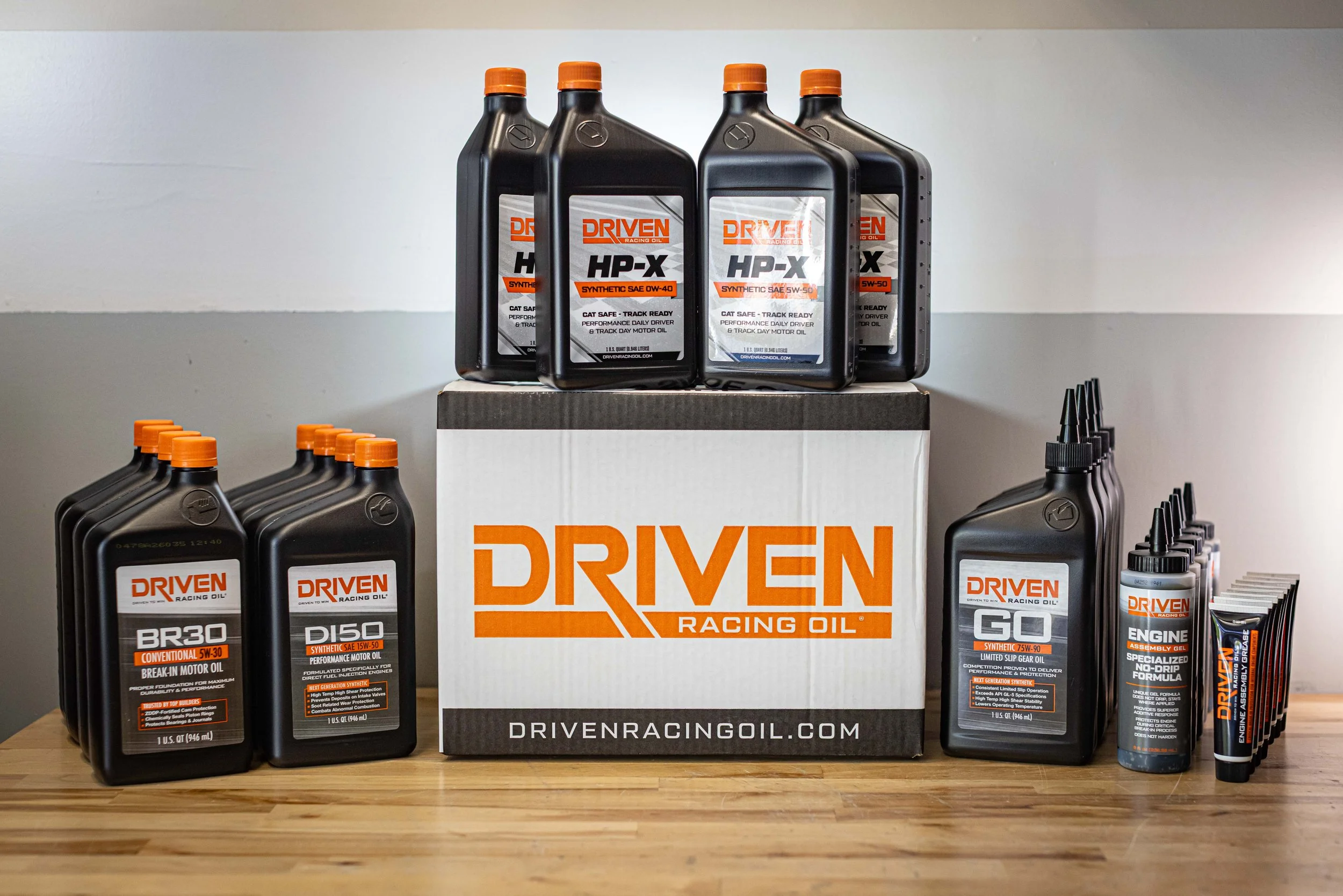
Using the correct oils and assembly lubricants during this process is essential to achieving maximum engine performance and durability. This bundle was designed to provide the correct lubrication products for each stage of the process.
Stage 1 – Engine Assembly Protection
Before the engine ever fires, internal components must be protected during assembly and initial rotation.
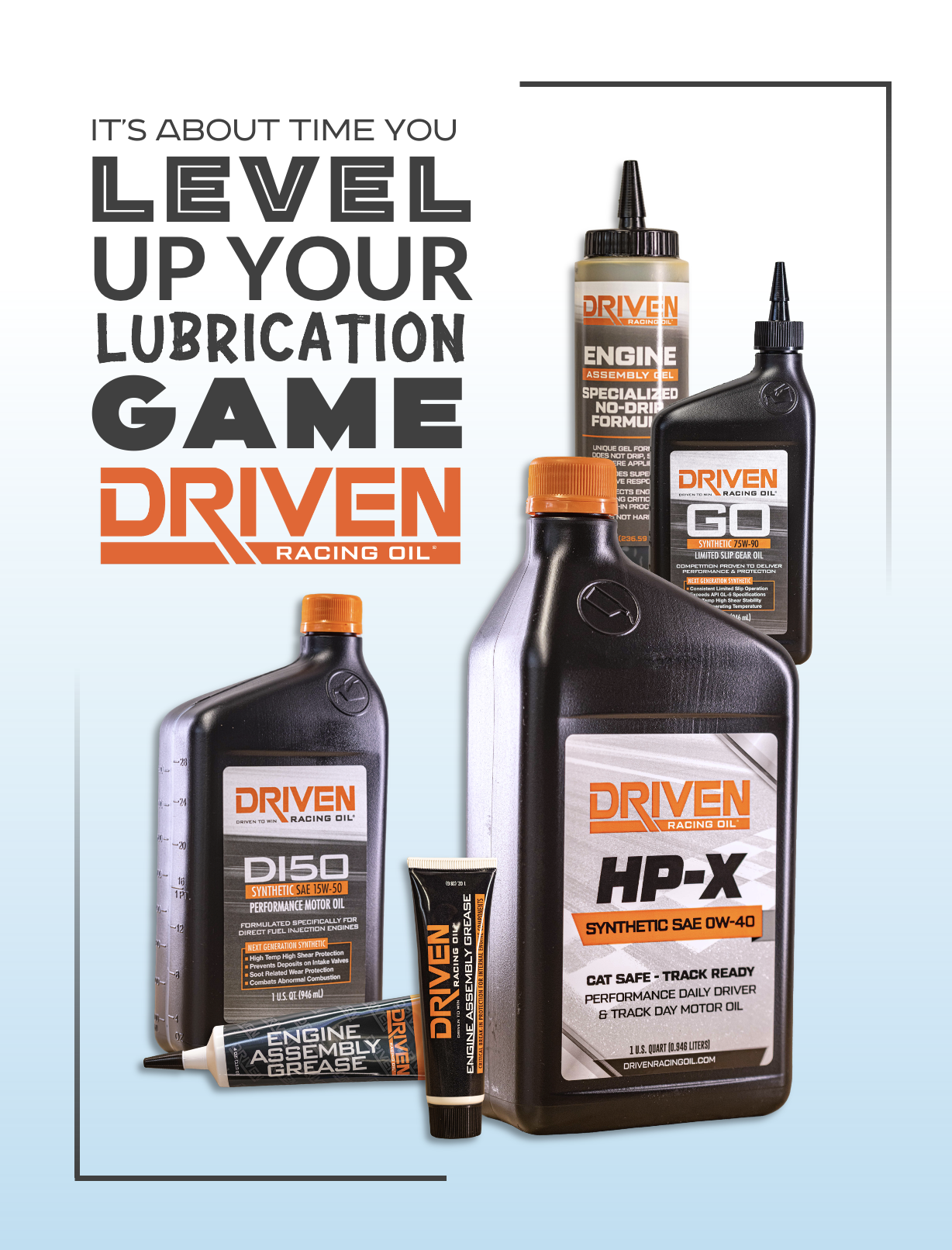
Driven No-Drip Assembly Gel
Driven’s No-Drip Assembly Gel is formulated with high film strength and tackifiers that allow it to cling to metal surfaces during engine assembly. This ensures that critical components remain lubricated even if the engine sits for days or weeks before startup.
Ideal for:
• main bearings
• rod bearings
• cam journals
• lifters
• timing components
The gel dissolves quickly once oil pressure is established, allowing the engine’s lubrication system to function normally.
Driven Engine Assembly Grease
For areas exposed to extremely high loads during initial startup, Driven Assembly Grease provides maximum protection.
This grease contains high levels of extreme-pressure additives and ZDDP anti-wear chemistry, forming a protective barrier that prevents metal-to-metal contact during the first rotations of the engine.
Ideal applications include:
• camshaft lobes
• pushrod tips
• rocker arm contact points
• distributor gears
These areas experience the highest loads during initial startup and require specialized lubrication.
What Happens If Break-In Is Done Incorrectly?
Improper engine break-in can lead to permanent performance problems that may require engine teardown to correct. Common issues caused by improper break-in include:
Poor Ring Seal
If piston rings fail to seat correctly, combustion pressure escapes into the crankcase rather than pushing down on the piston. This reduces power and efficiency.
Excessive Blow-By
Poor ring seating allows combustion gases to enter the crankcase, increasing crankcase pressure and contaminating the oil.
Oil Consumption
Improper ring seating may allow oil to enter the combustion chamber, causing excessive oil consumption and exhaust smoke.
Reduced Engine Power
Engines with poor ring seal simply cannot achieve their full horsepower potential.
The break-in period represents a small window of time that determines the long-term health of the engine. Using the correct oils and lubricants during this process helps ensure the engine performs exactly as designed. Designed for Engine Builders and Performance Enthusiasts
This bundle is ideal for:
• freshly rebuilt engines
• head and cam upgrades
• performance engine builds
• dyno break-in procedures
Don’t risk your engine with the wrong lubricants or incomplete break-in preparation.
Work with lubricants that works as hard to protect your engine as you do to build it.
DRIVEN Assembly Gel & Grease
You picked the right parts to assemble, now protect them like a PRO.
When a freshly built engine fires for the first time, every internal component is experiencing load for the very first time. Bearings are seeing pressure, camshafts and lifters are establishing their wear patterns, and piston rings are beginning the critical process of sealing against freshly honed cylinder walls.
This short window during the engine’s first hours of operation will determine whether the engine achieves maximum compression, peak horsepower, and long-term durability — or develops problems that can follow it for the rest of its life.
That’s why Griffin Motorsports carries the assembly lubricants designed specifically for freshly rebuilt engines or vehicles undergoing head, camshaft, or valve-train upgrades.
Why Proper Engine Break-In Matters
The break-in process is not simply about running the engine for a few minutes. It is a carefully controlled process where critical engine components must establish their wear patterns.
During the first startup and initial run-in period:
• piston rings must seat against the cylinder walls
• camshaft lobes and lifters establish wear patterns
• bearings experience full load for the first time
• valvetrain components operate under boundary lubrication
Using the correct oils and assembly lubricants during this process is essential to achieving maximum engine performance and durability. This bundle was designed to provide the correct lubrication products for each stage of the process.
Stage 1 – Engine Assembly Protection
Before the engine ever fires, internal components must be protected during assembly and initial rotation.
Driven No-Drip Assembly Gel
Driven’s No-Drip Assembly Gel is formulated with high film strength and tackifiers that allow it to cling to metal surfaces during engine assembly. This ensures that critical components remain lubricated even if the engine sits for days or weeks before startup.
Ideal for:
• main bearings
• rod bearings
• cam journals
• lifters
• timing components
The gel dissolves quickly once oil pressure is established, allowing the engine’s lubrication system to function normally.
Driven Engine Assembly Grease
For areas exposed to extremely high loads during initial startup, Driven Assembly Grease provides maximum protection.
This grease contains high levels of extreme-pressure additives and ZDDP anti-wear chemistry, forming a protective barrier that prevents metal-to-metal contact during the first rotations of the engine.
Ideal applications include:
• camshaft lobes
• pushrod tips
• rocker arm contact points
• distributor gears
These areas experience the highest loads during initial startup and require specialized lubrication.
What Happens If Break-In Is Done Incorrectly?
Improper engine break-in can lead to permanent performance problems that may require engine teardown to correct. Common issues caused by improper break-in include:
Poor Ring Seal
If piston rings fail to seat correctly, combustion pressure escapes into the crankcase rather than pushing down on the piston. This reduces power and efficiency.
Excessive Blow-By
Poor ring seating allows combustion gases to enter the crankcase, increasing crankcase pressure and contaminating the oil.
Oil Consumption
Improper ring seating may allow oil to enter the combustion chamber, causing excessive oil consumption and exhaust smoke.
Reduced Engine Power
Engines with poor ring seal simply cannot achieve their full horsepower potential.
The break-in period represents a small window of time that determines the long-term health of the engine. Using the correct oils and lubricants during this process helps ensure the engine performs exactly as designed. Designed for Engine Builders and Performance Enthusiasts
This bundle is ideal for:
• freshly rebuilt engines
• head and cam upgrades
• performance engine builds
• dyno break-in procedures
Don’t risk your engine with the wrong lubricants or incomplete break-in preparation.
Work with lubricants that works as hard to protect your engine as you do to build it.

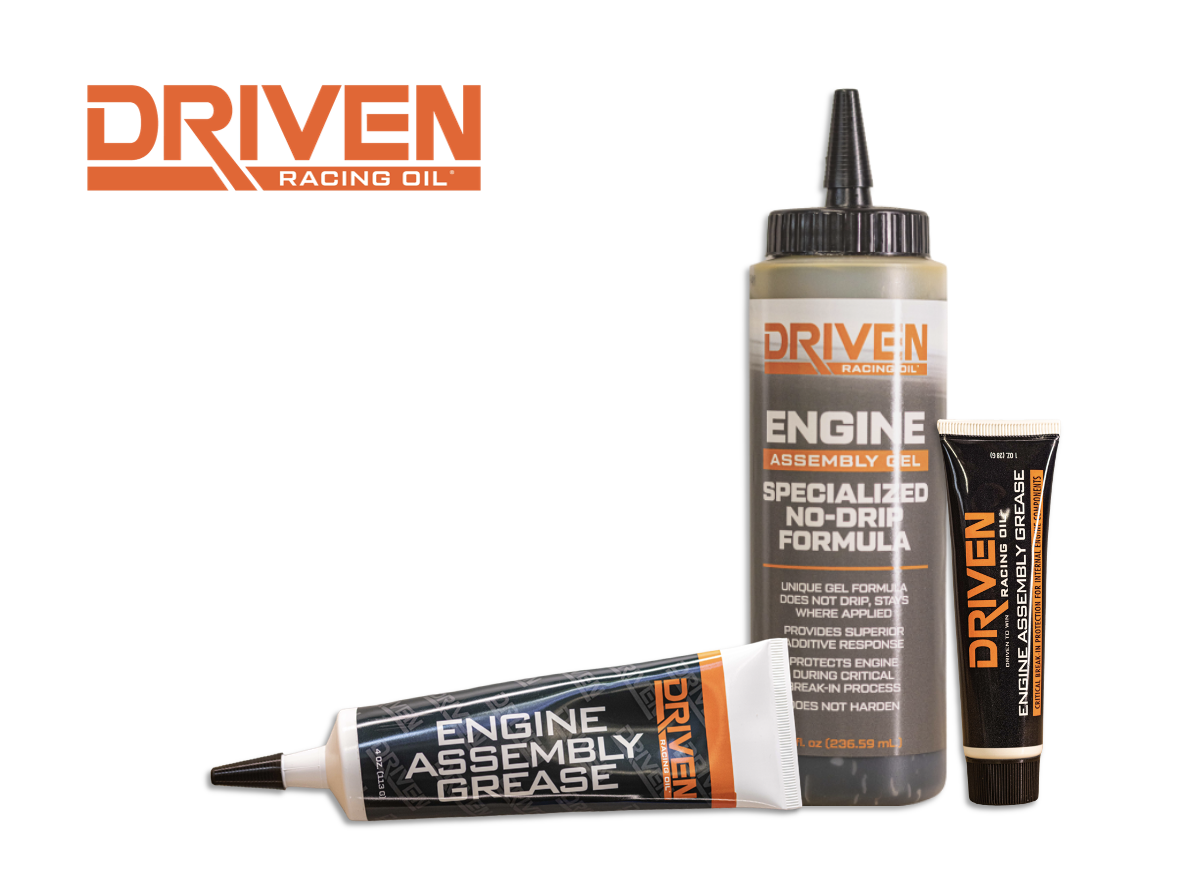 Image 1 of 13
 Image 2 of 13
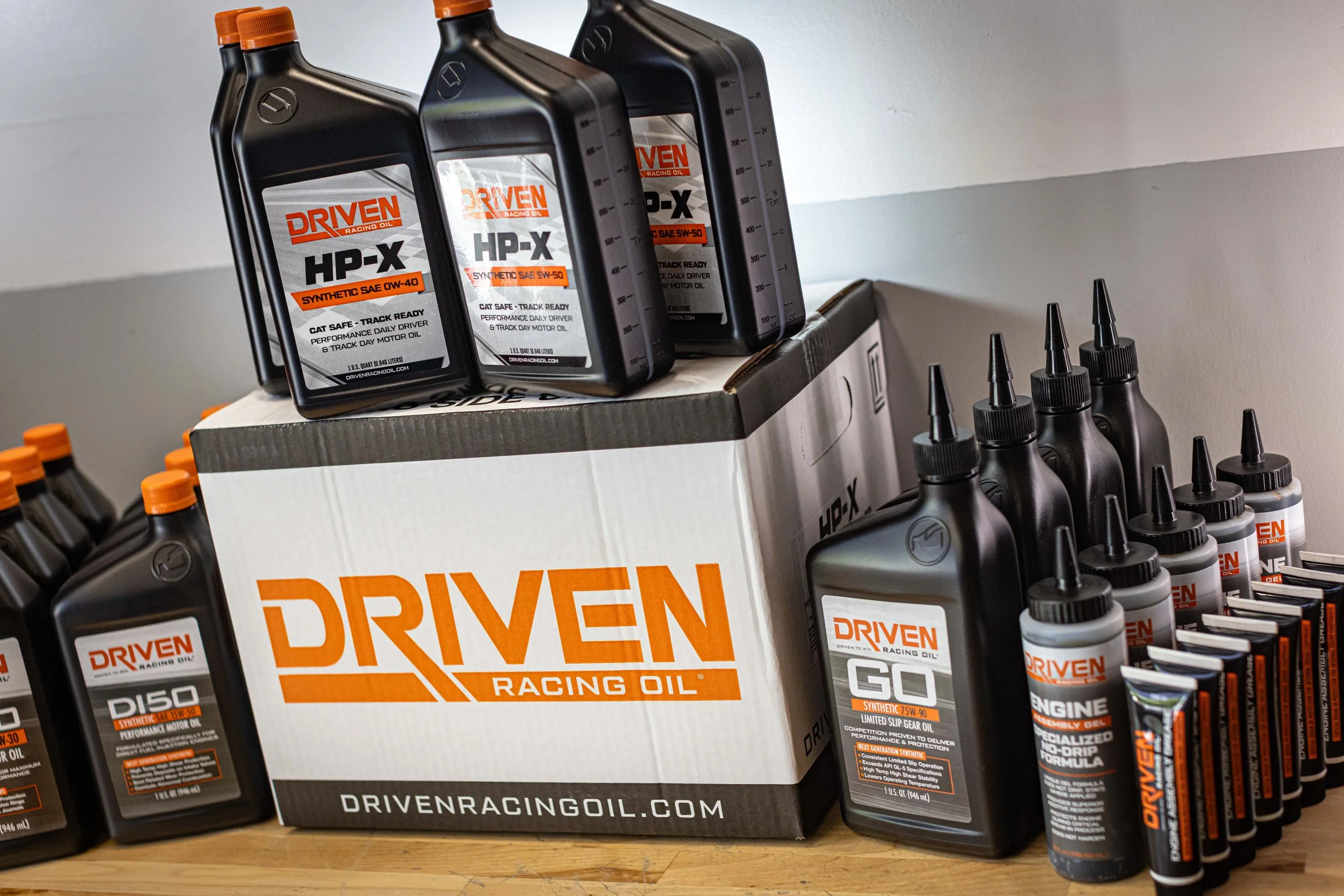 Image 3 of 13
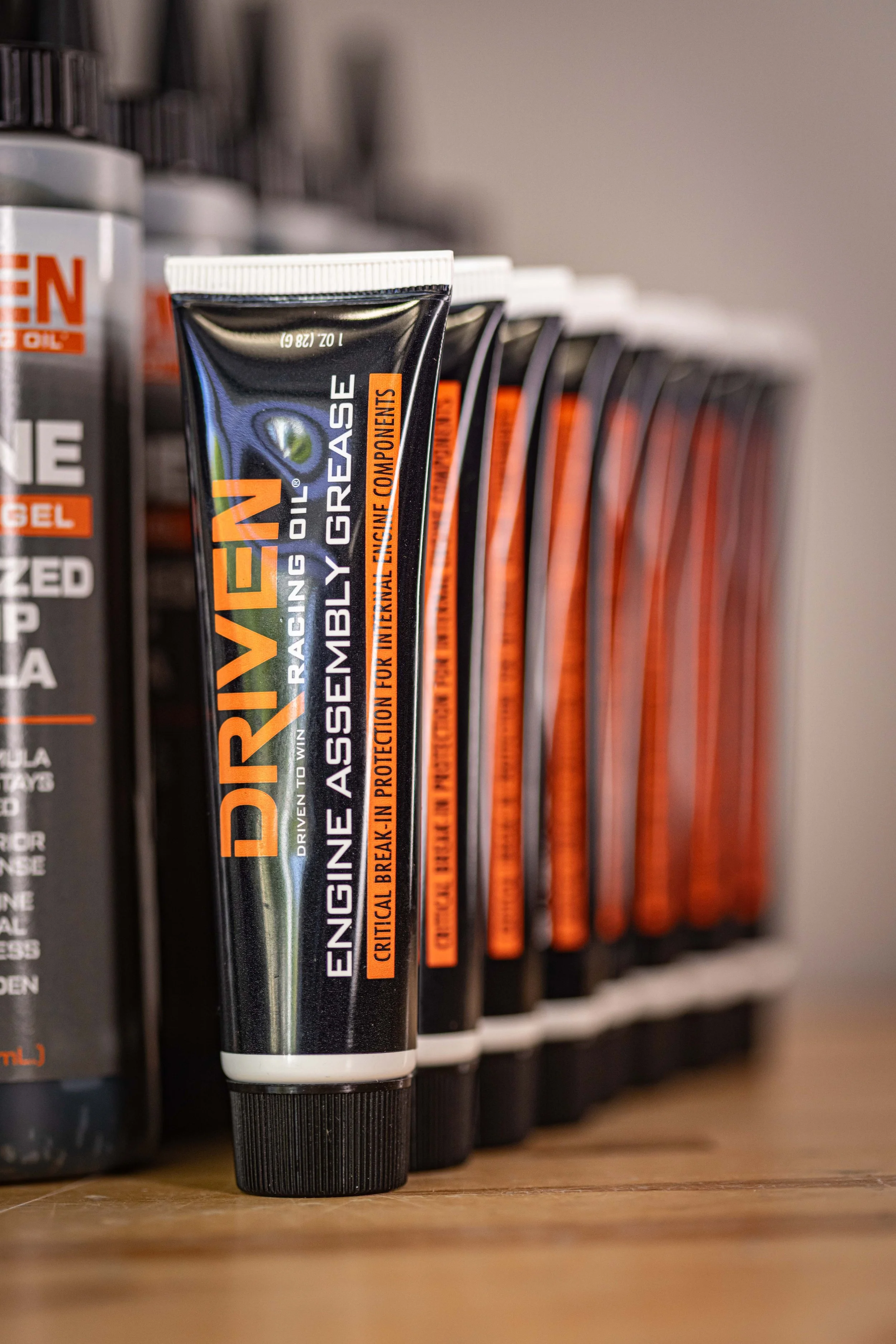 Image 4 of 13
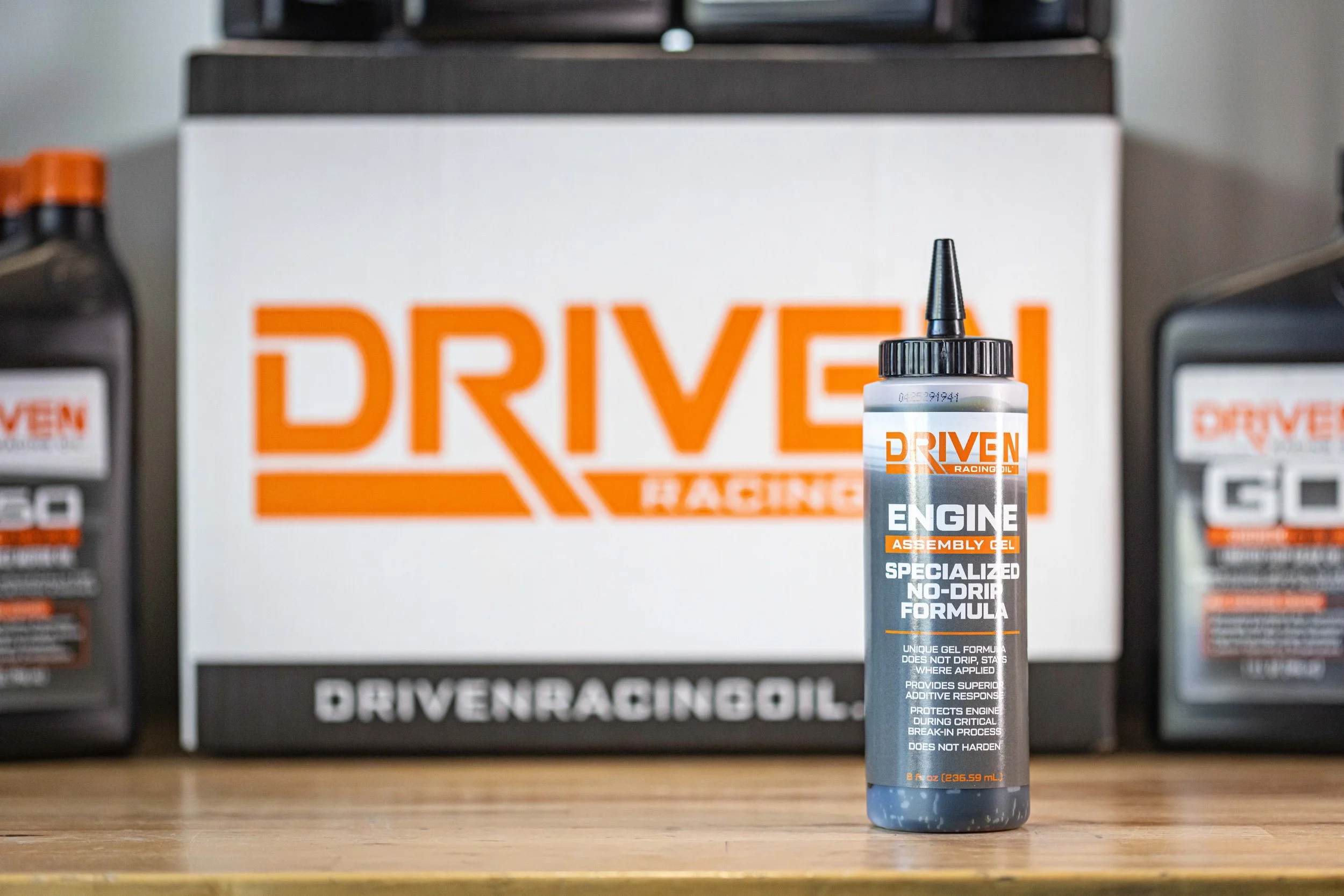 Image 5 of 13
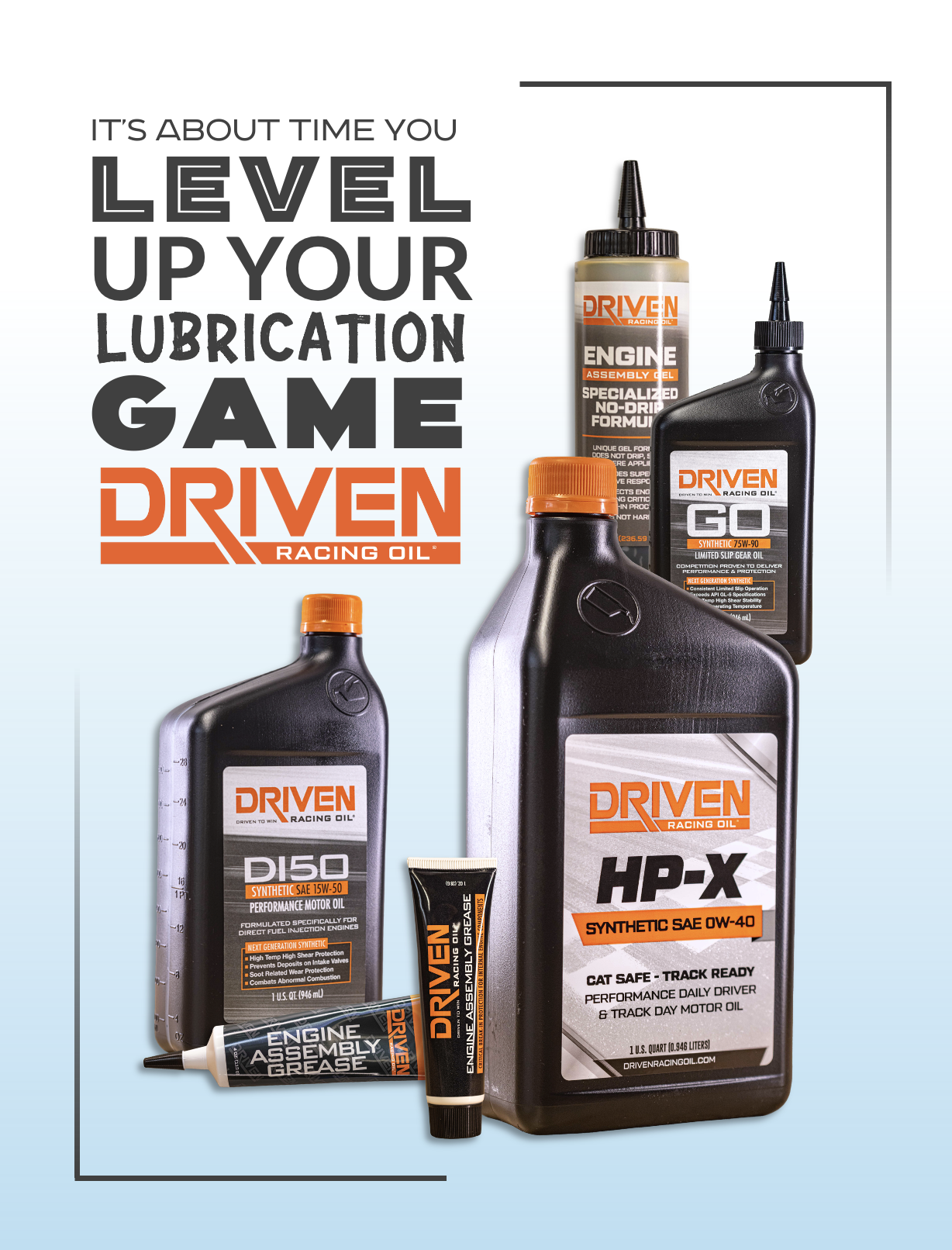 Image 6 of 13
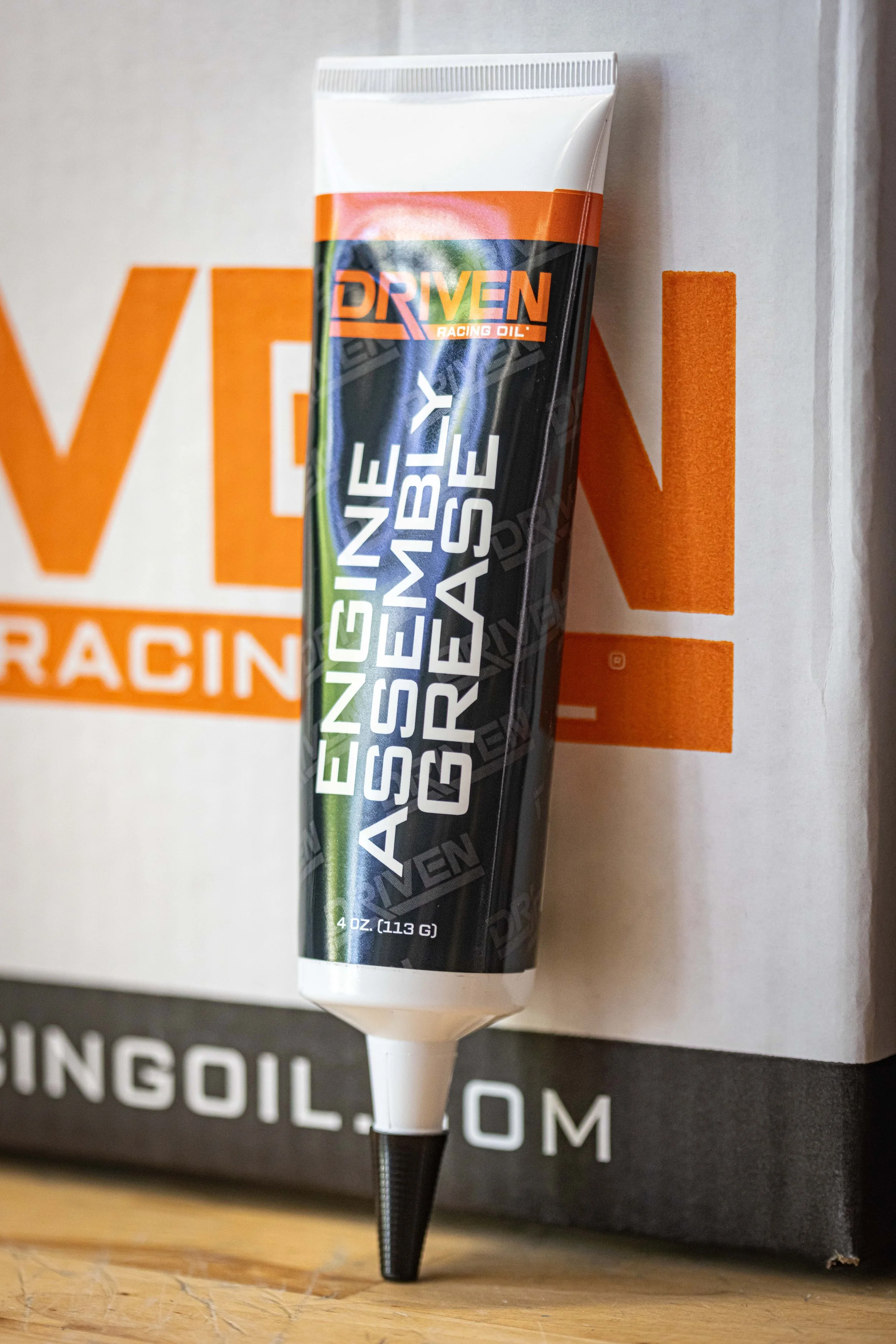 Image 7 of 13
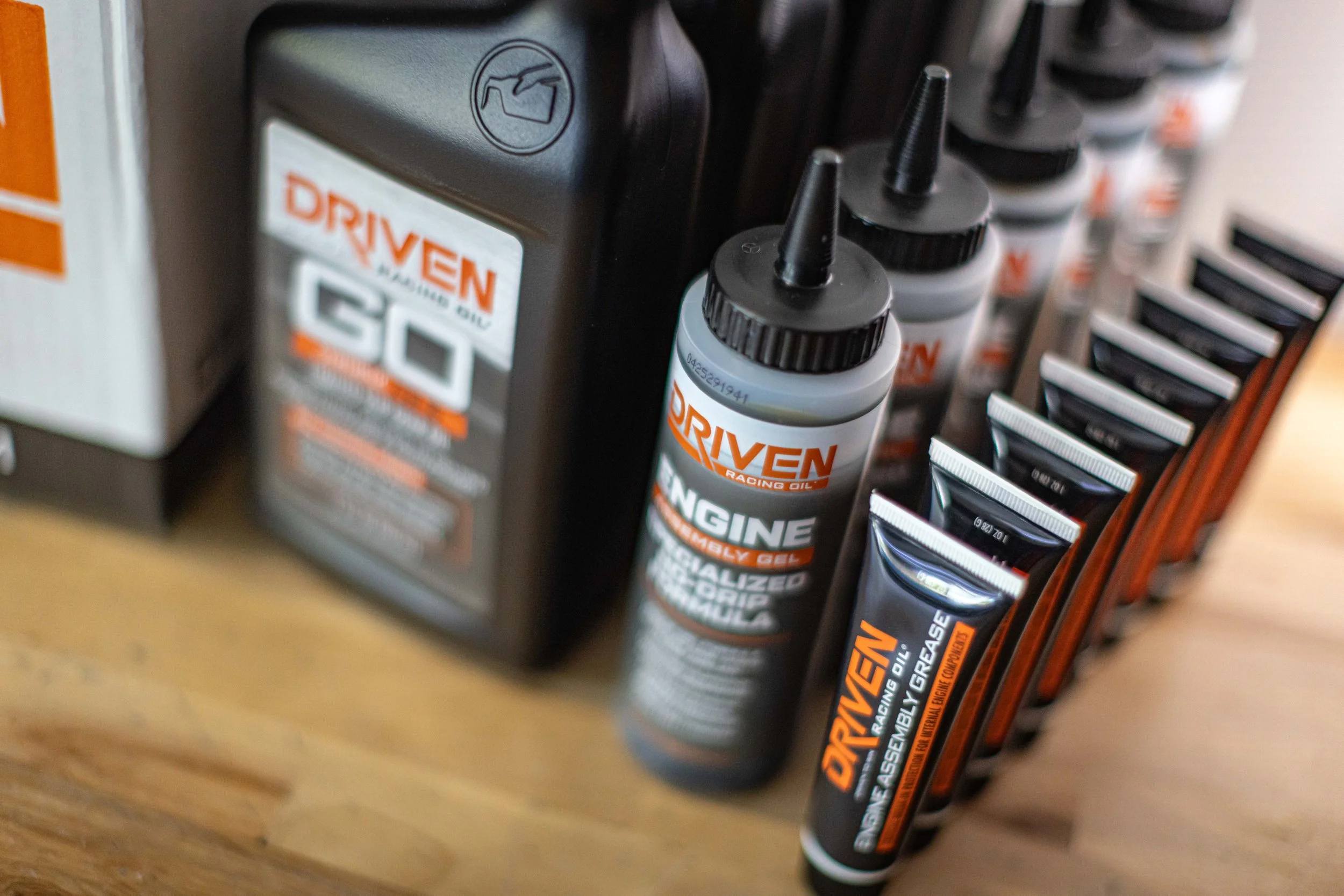 Image 8 of 13
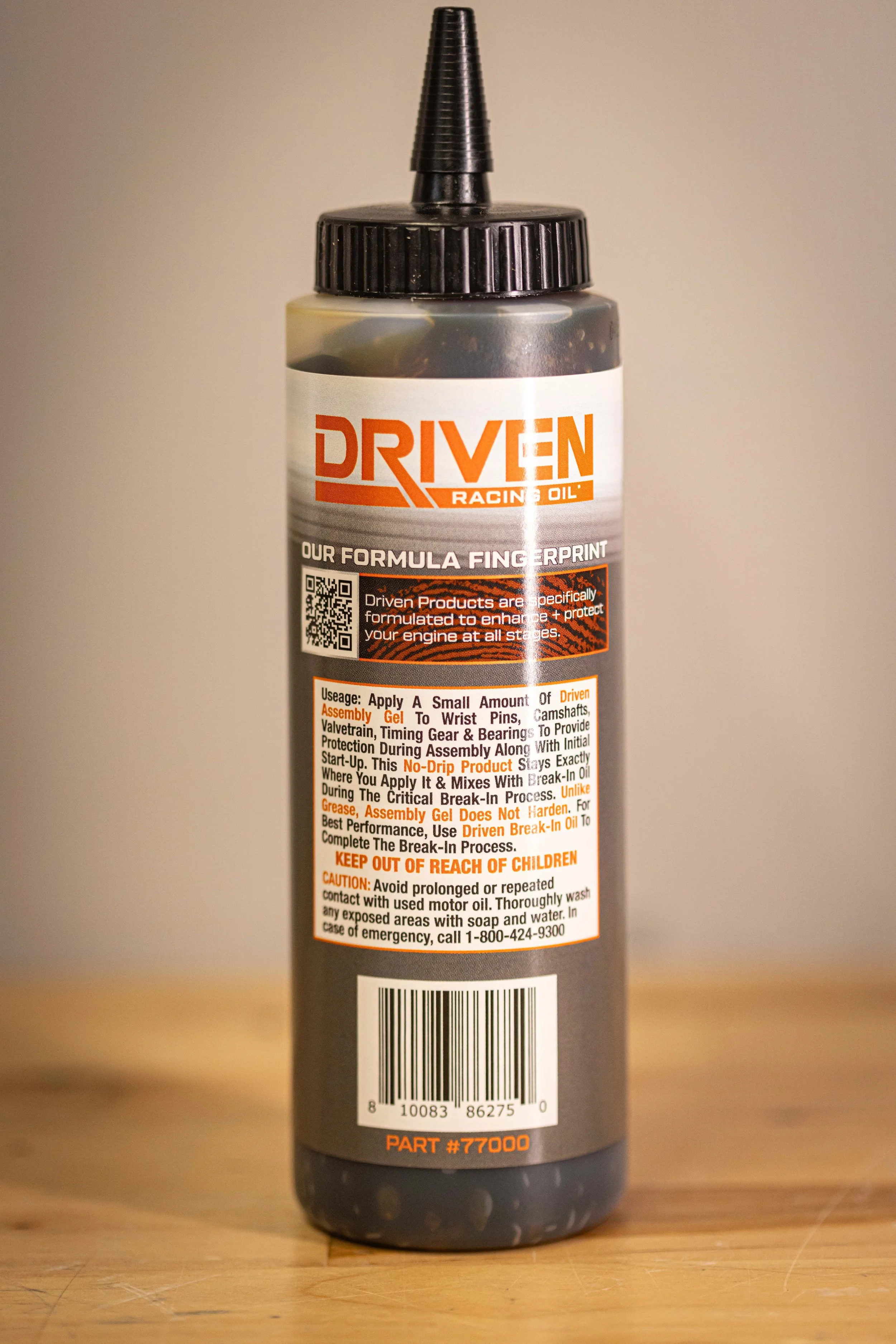 Image 9 of 13
 Image 10 of 13
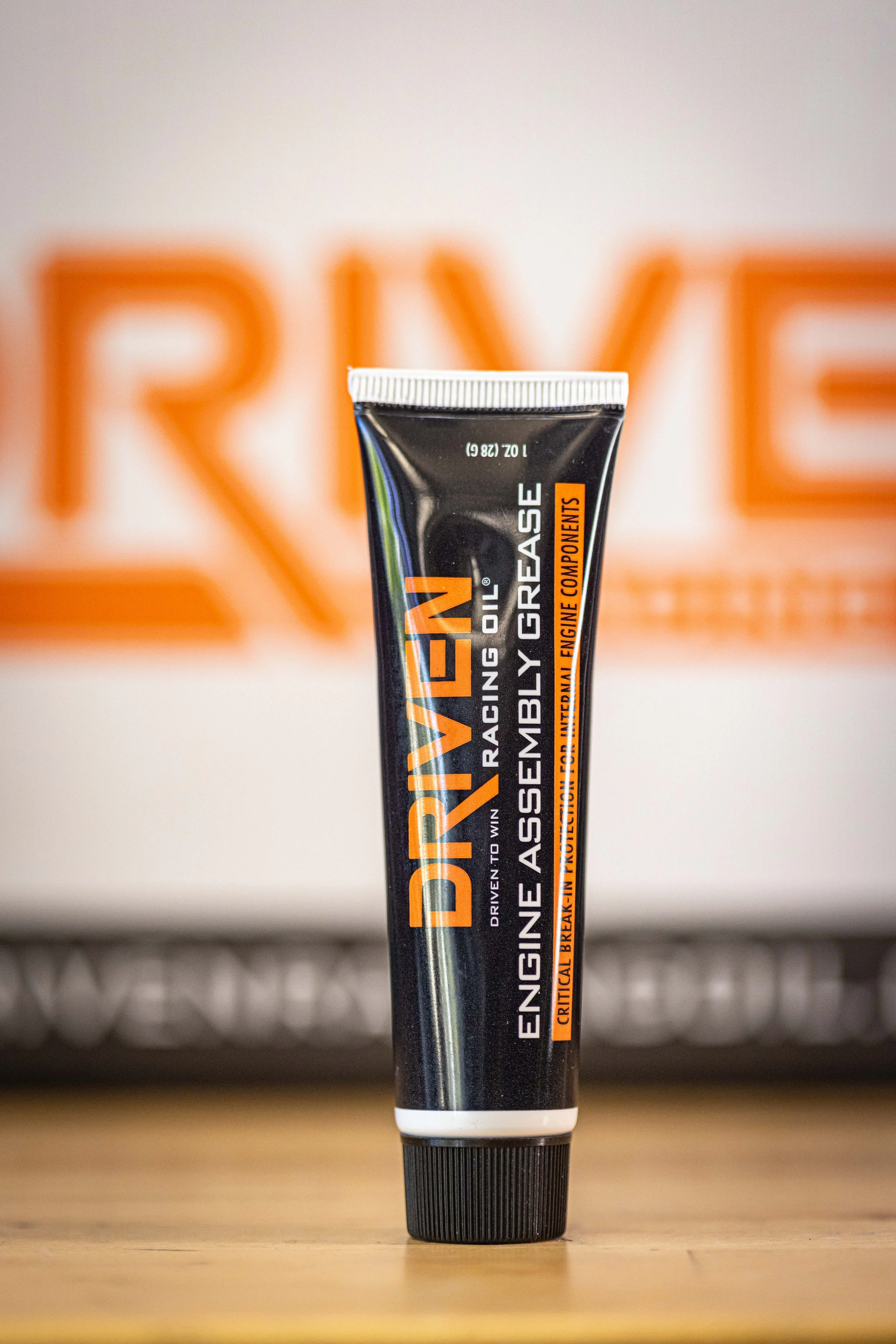 Image 11 of 13
 Image 12 of 13
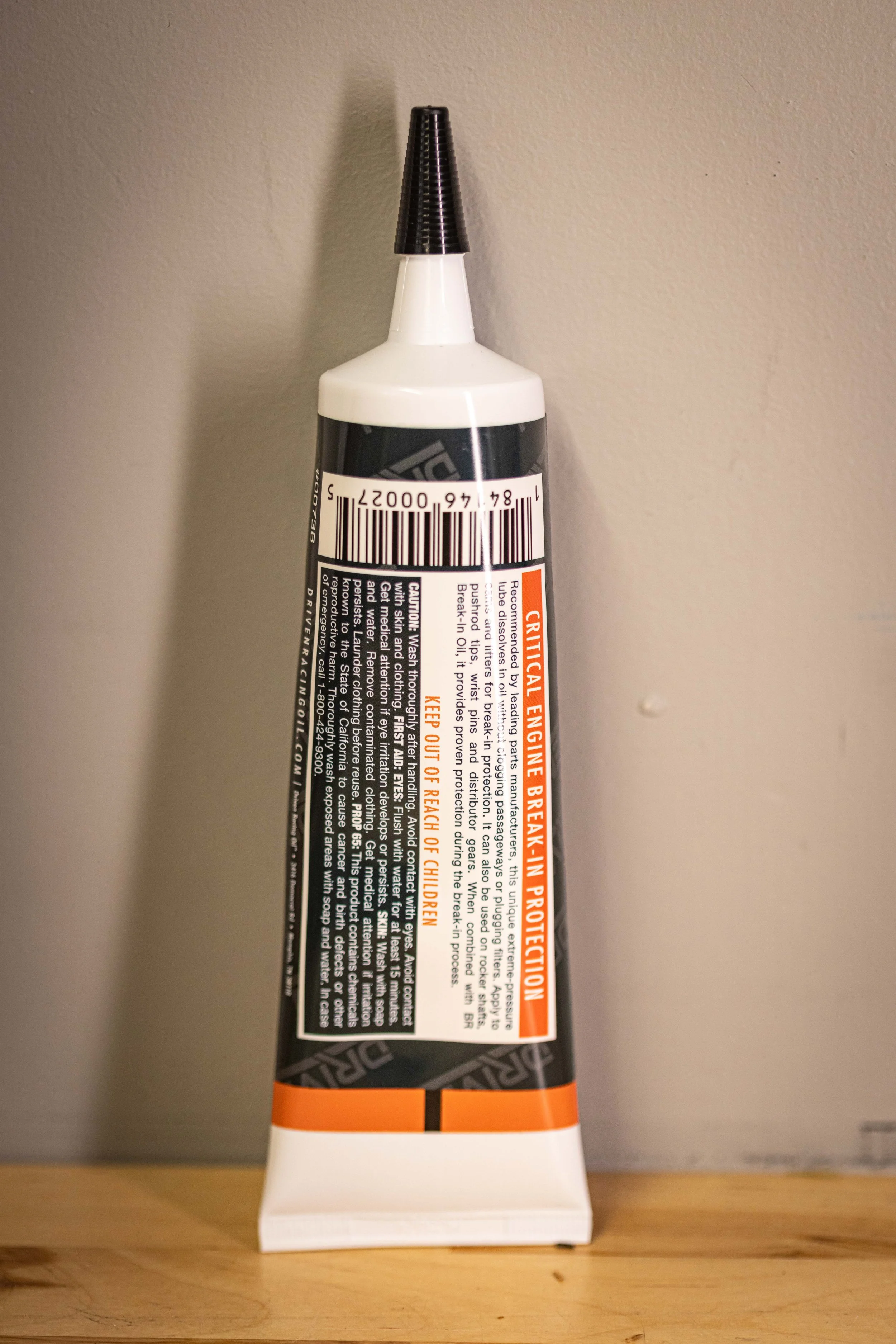 Image 13 of 13