CSF High-Performance All-Aluminum Radiator | 2016–2024 Camaro LT1 / SS / ZL1 & 2016–2019 Cadillac CTS-V | #7249
Power Deserves Cooling That Keeps Pace.
More horsepower. Longer sessions. Hotter conditions. As the demands on your Camaro or CTS-V increase, your engine cooling system needs to keep pace.
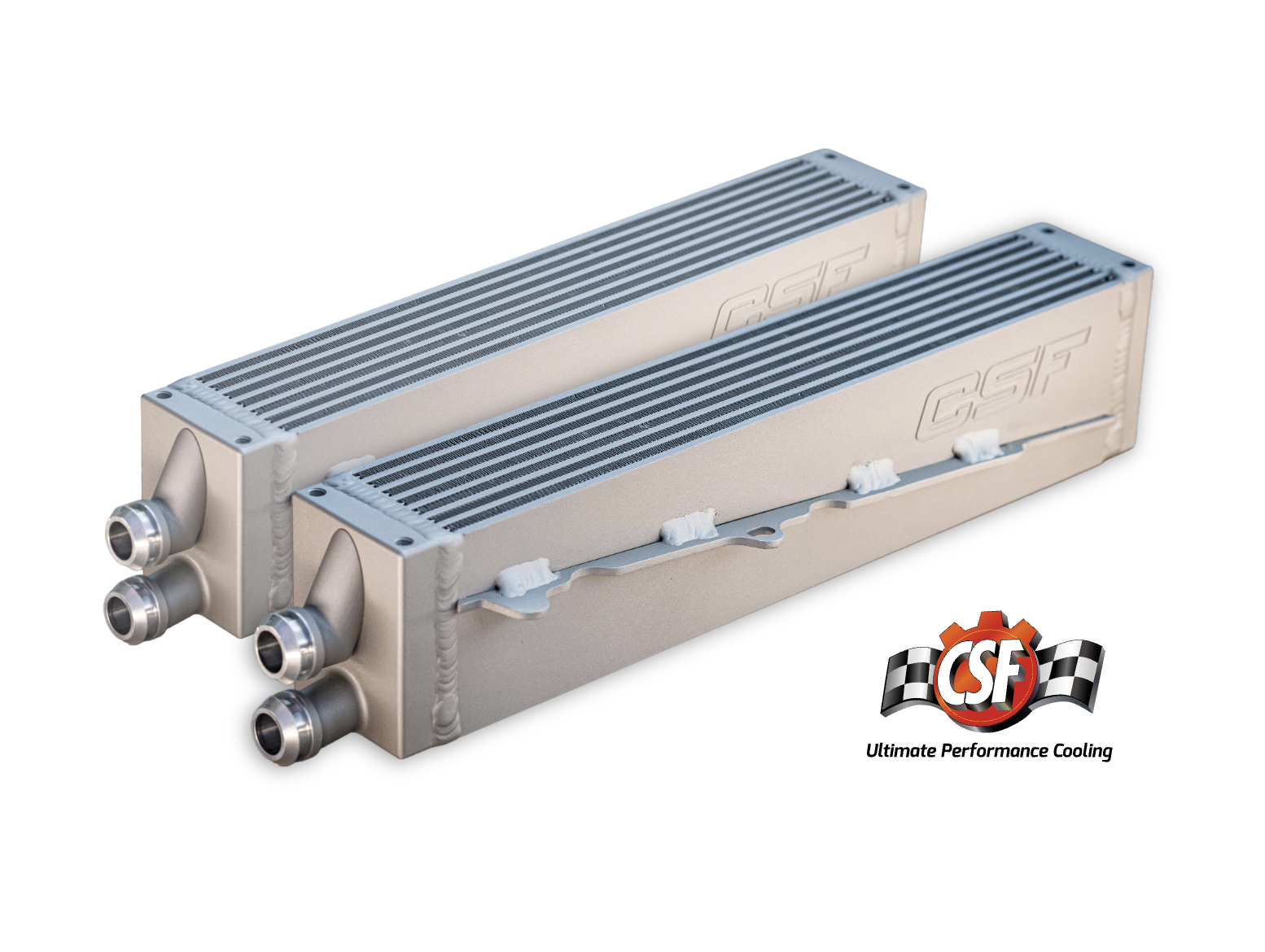
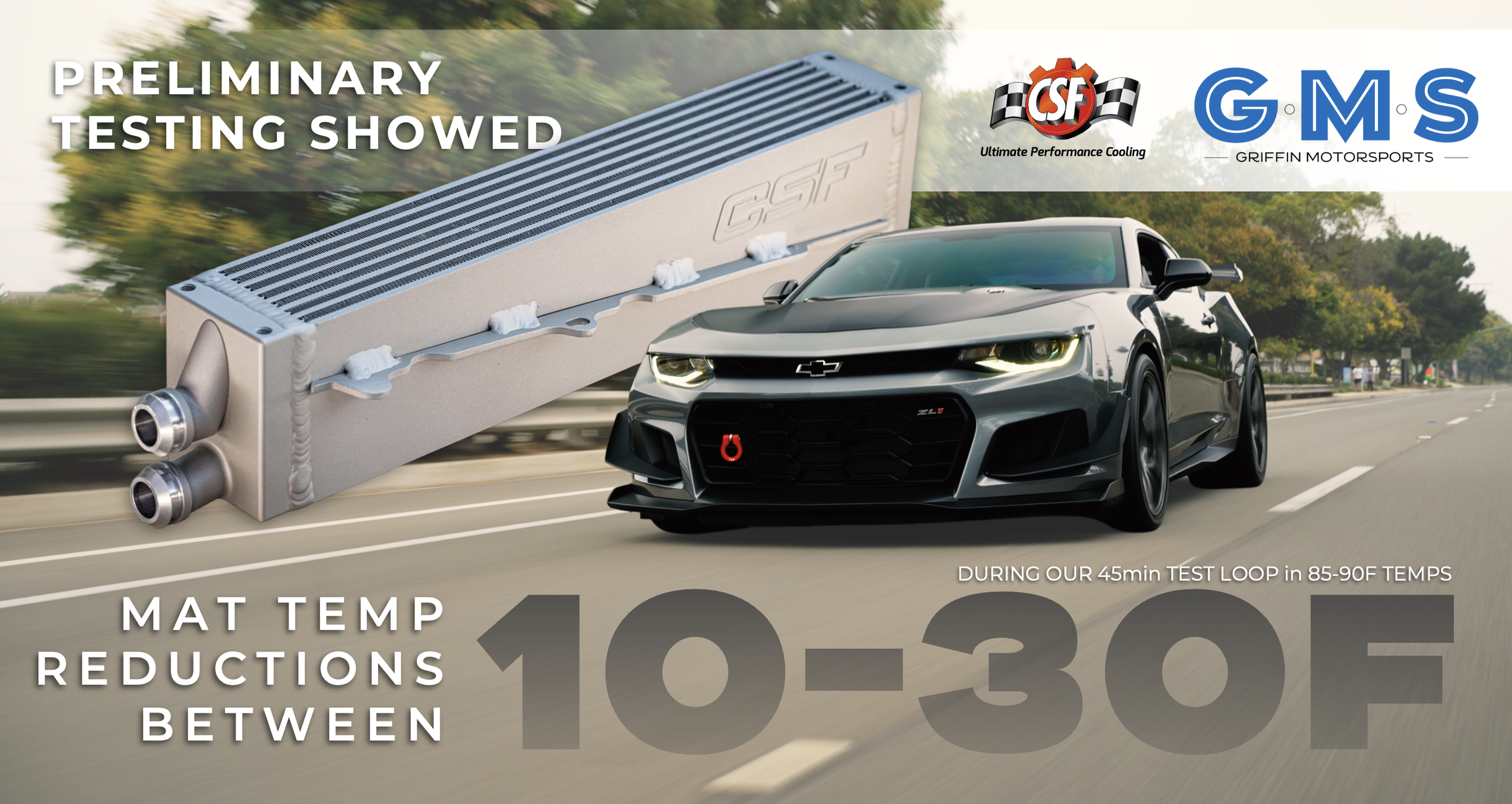
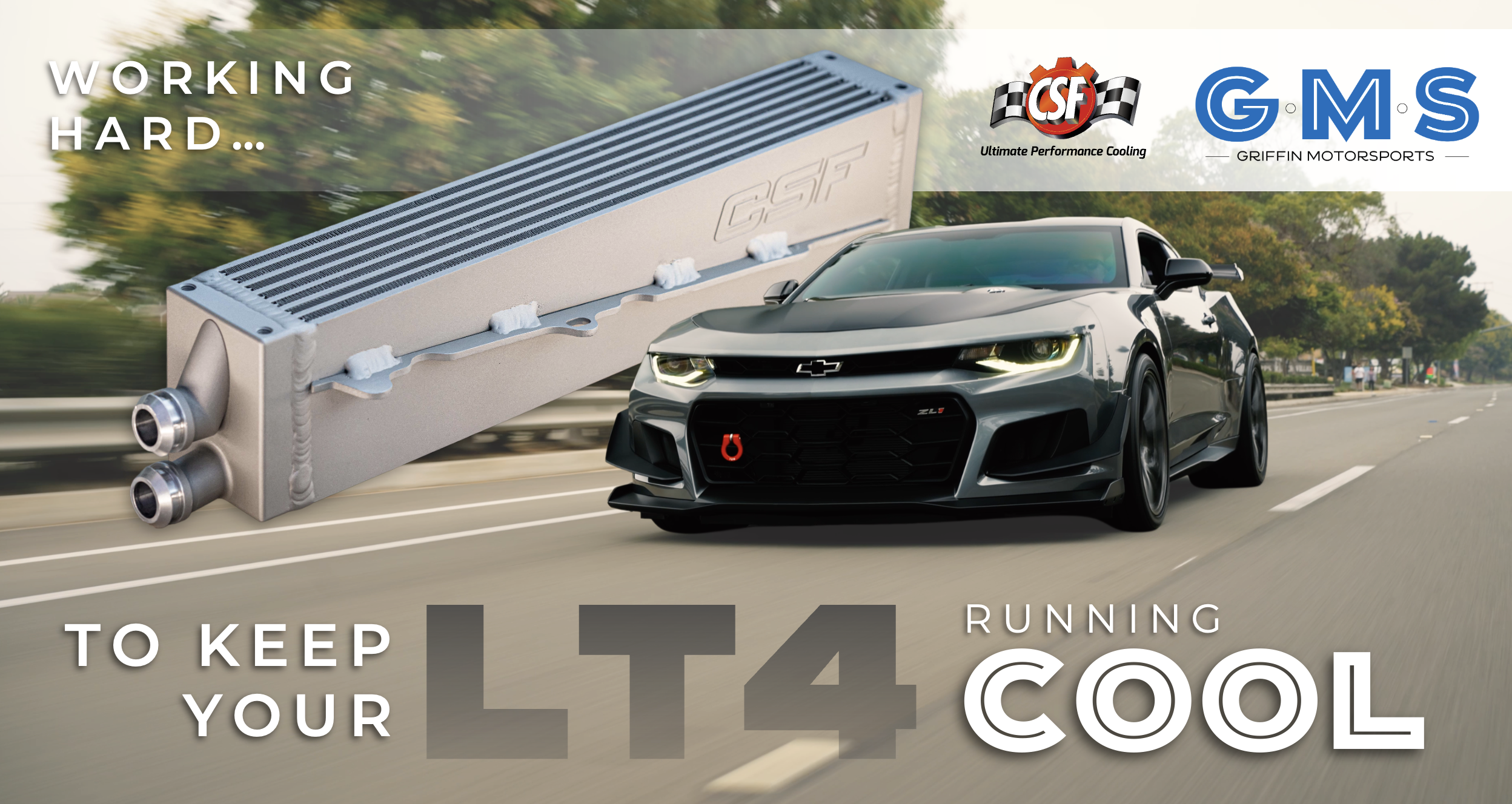
The CSF #7249 High-Performance All-Aluminum Radiator combines a thicker, two-row core, CSF’s exclusive B-Tube Technology, and its latest 5mm multi-louvered fins in a replacement designed around factory mounting points and connections. This equates to a 20–25% greater heat-transfer efficiency through its combined tube and fin technology. An integrated four-plate transmission oil cooler and TIG-welded aluminum construction complete a cooling upgrade built for demanding street and track applications.
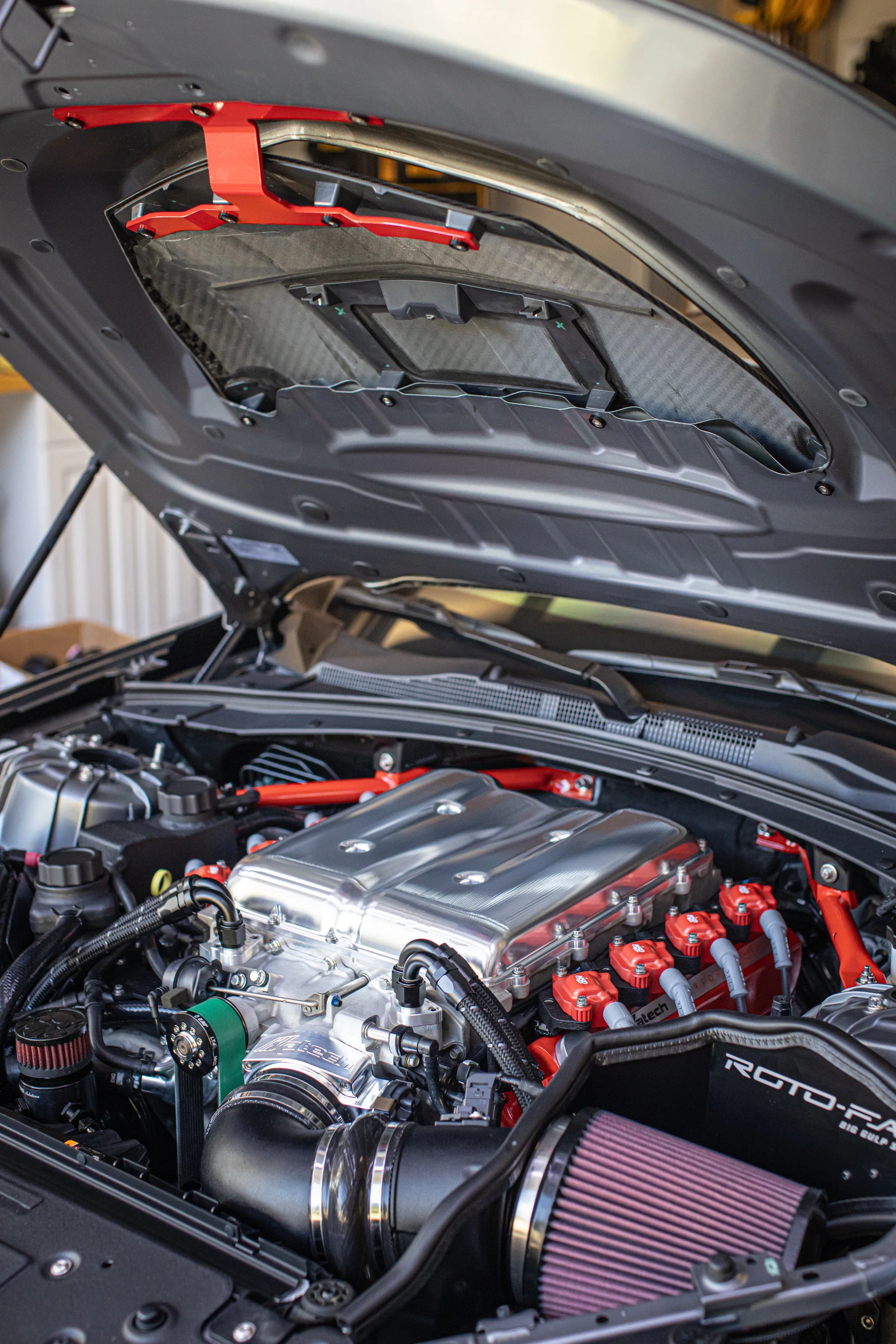
At Griffin Motorsports, our experience with this radiator began well before its release, with an early prototype supplied for fitment evaluation on our 1,000hp Camaro ZL1 Shop Car.
From Prototype Fitment to Track Evaluation
We helped evaluate the initial prototype, identified fitment issues, and provided feedback during development. Once the next revision was completed, we sent it off a friend in the road-racing community for further evaluation.
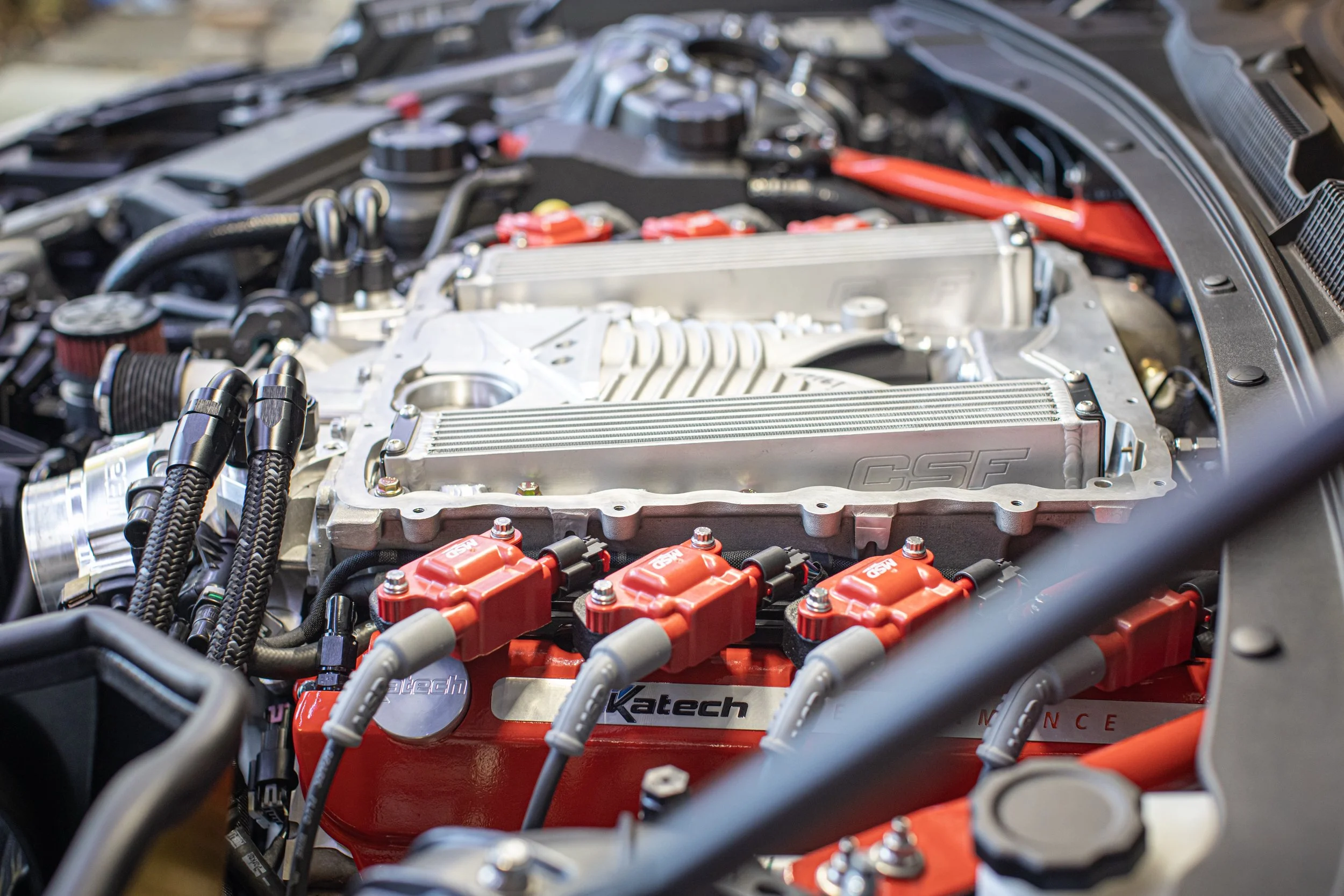
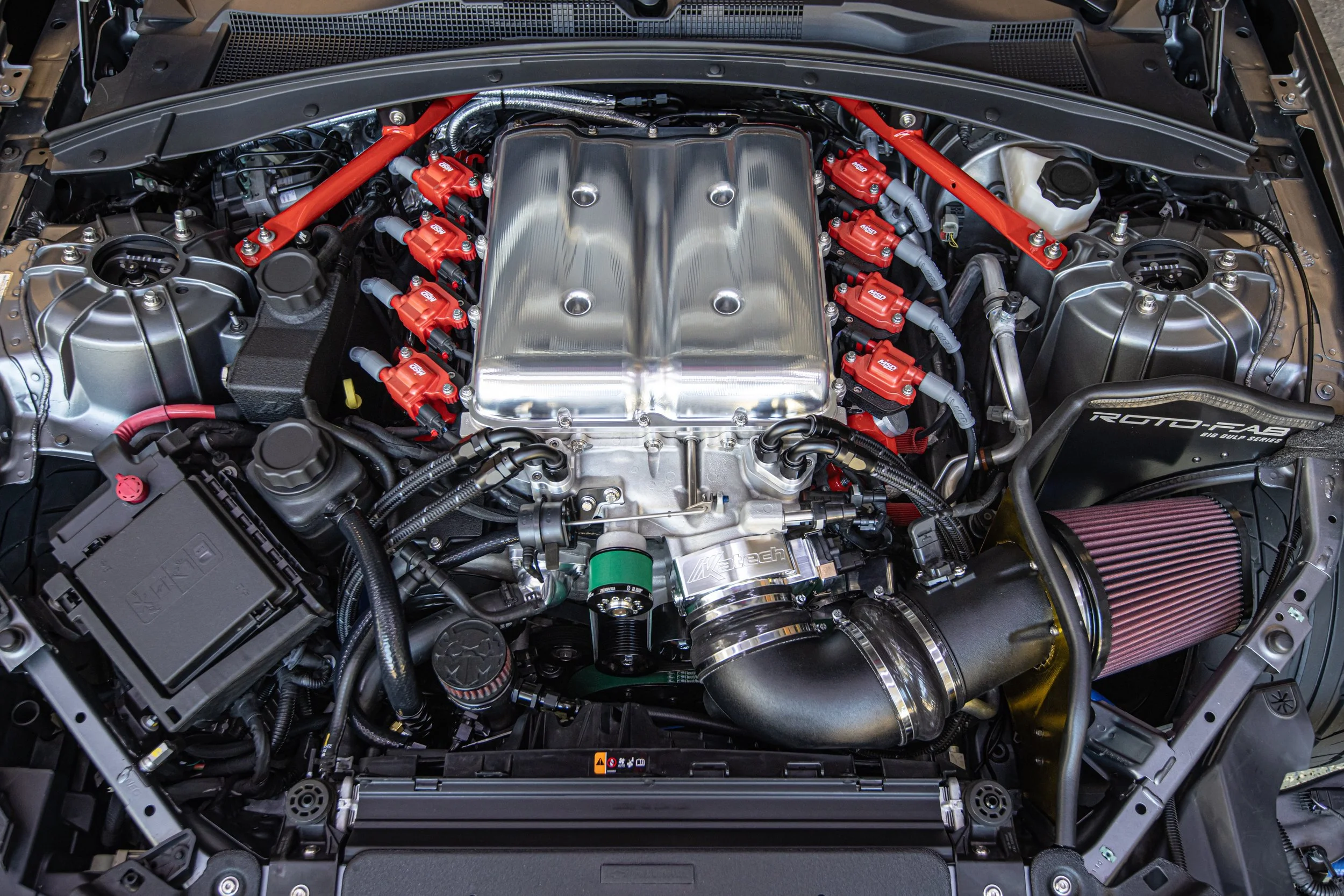
That radiator ultimately found its way onto Dave Schutz’s extensively built “Katech Camaro.”
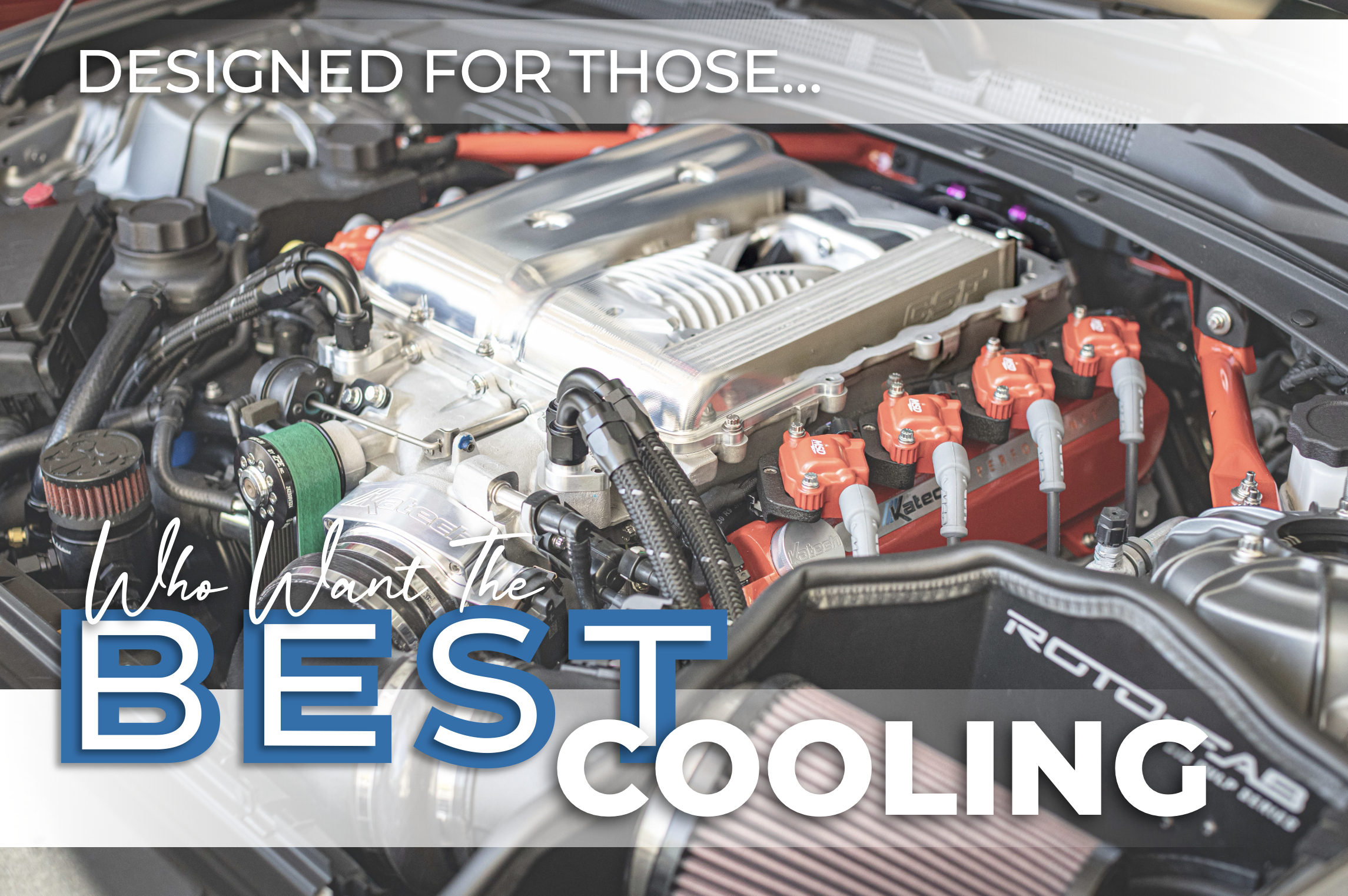
Coming off a season that included an Optima Ultimate Streetcar Series GT Class Championship and an SCCA Solo Nationals National Championship, Dave’s Camaro received a substantial evolution for 2026: a naturally aspirated Katech 7.1L, 15:1-compression engine producing 760+ horsepower, paired with a ZR1 close-ratio transmission.
The new combination added more than 130 wheel horsepower and 100 lb-ft of torque over the previous build. Supporting that evolution brought together Zach and Dylin at Chamberlain Speed, Griffin Motorsports, and CSF.
According to Dave, despite all the extra HP, during back-to-back hot laps in 95°F ambient conditions, coolant temperatures remained between 185–195°F and never exceed 205°F.
“The CSF all-aluminum ZL1 radiator has exceeded expectations.”
— Dave Schutz, “The Katech Camaro”
His most significant takeaway was the temperature stability throughout repeated laps, and the confidence that consistency provided behind the wheel.
More Core. More Heat-Transfer Surface.
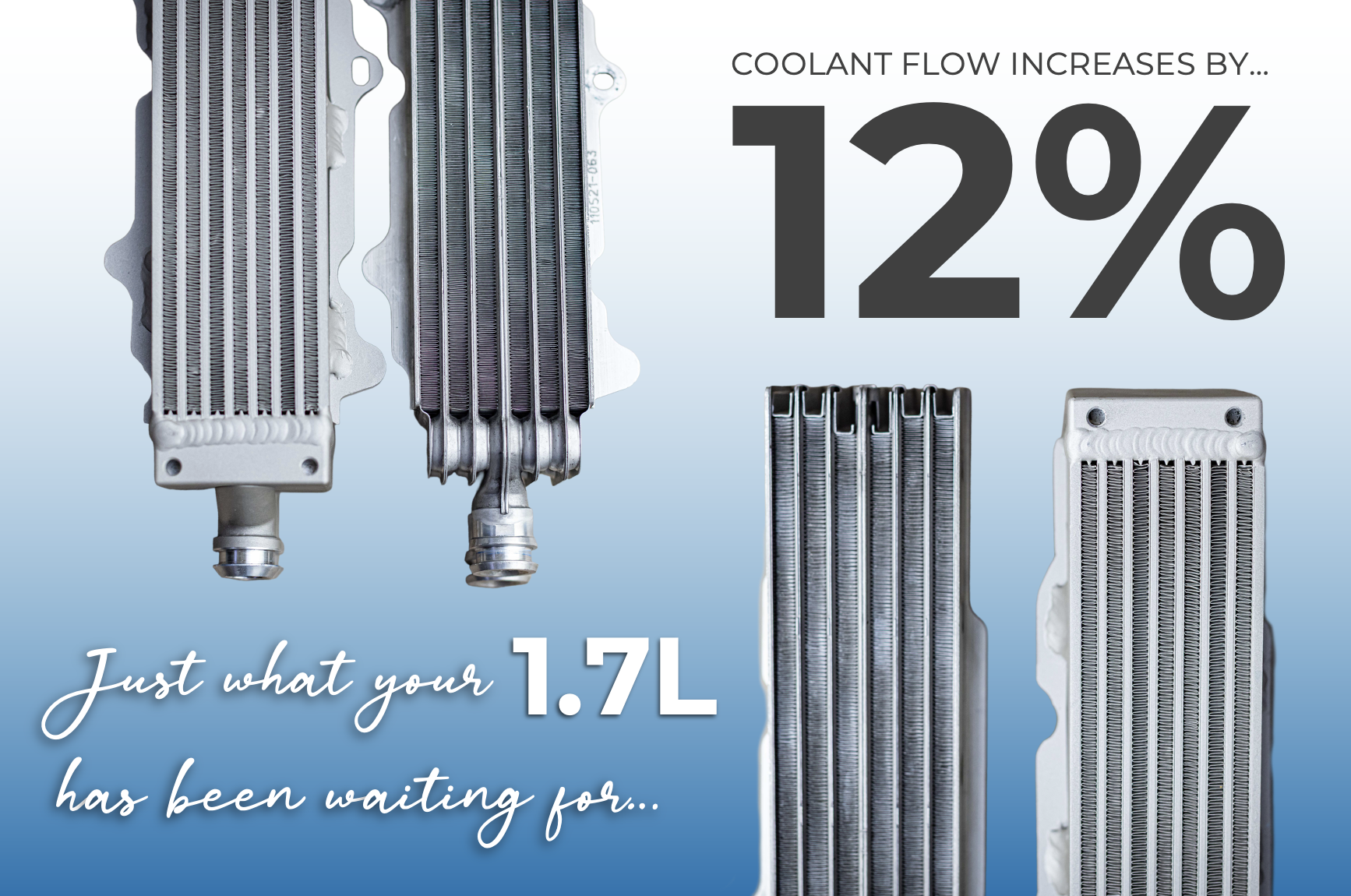
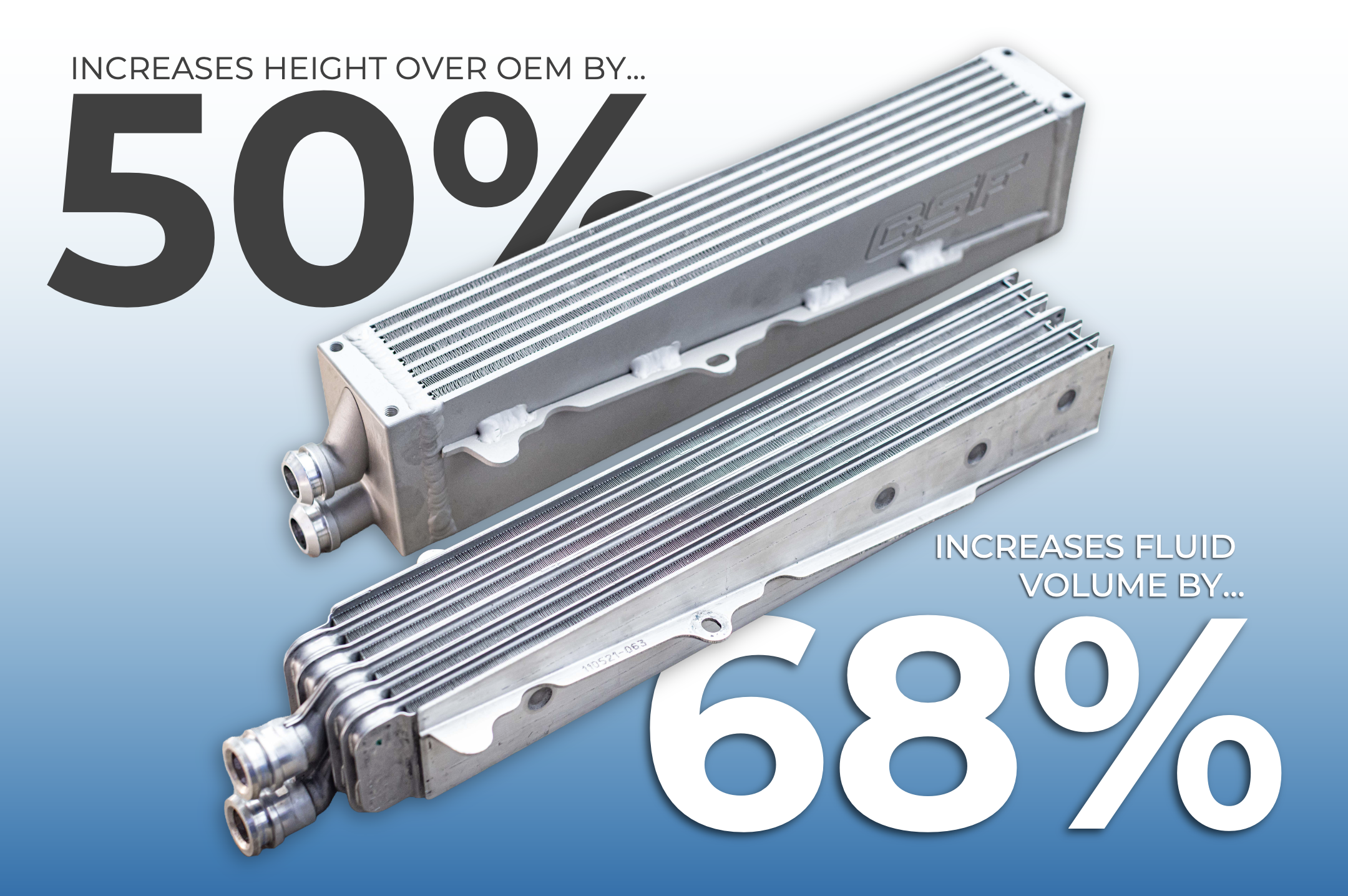
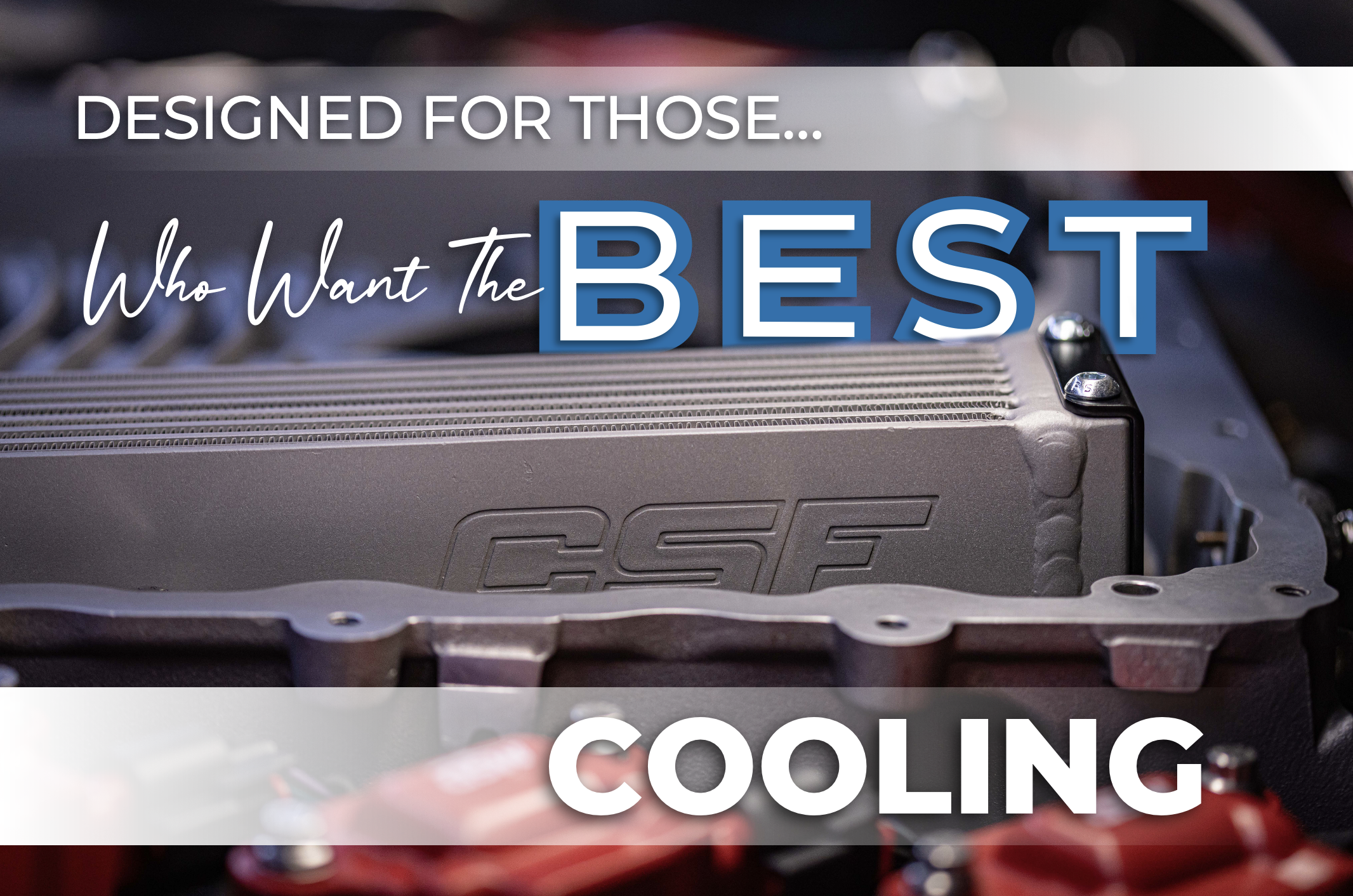
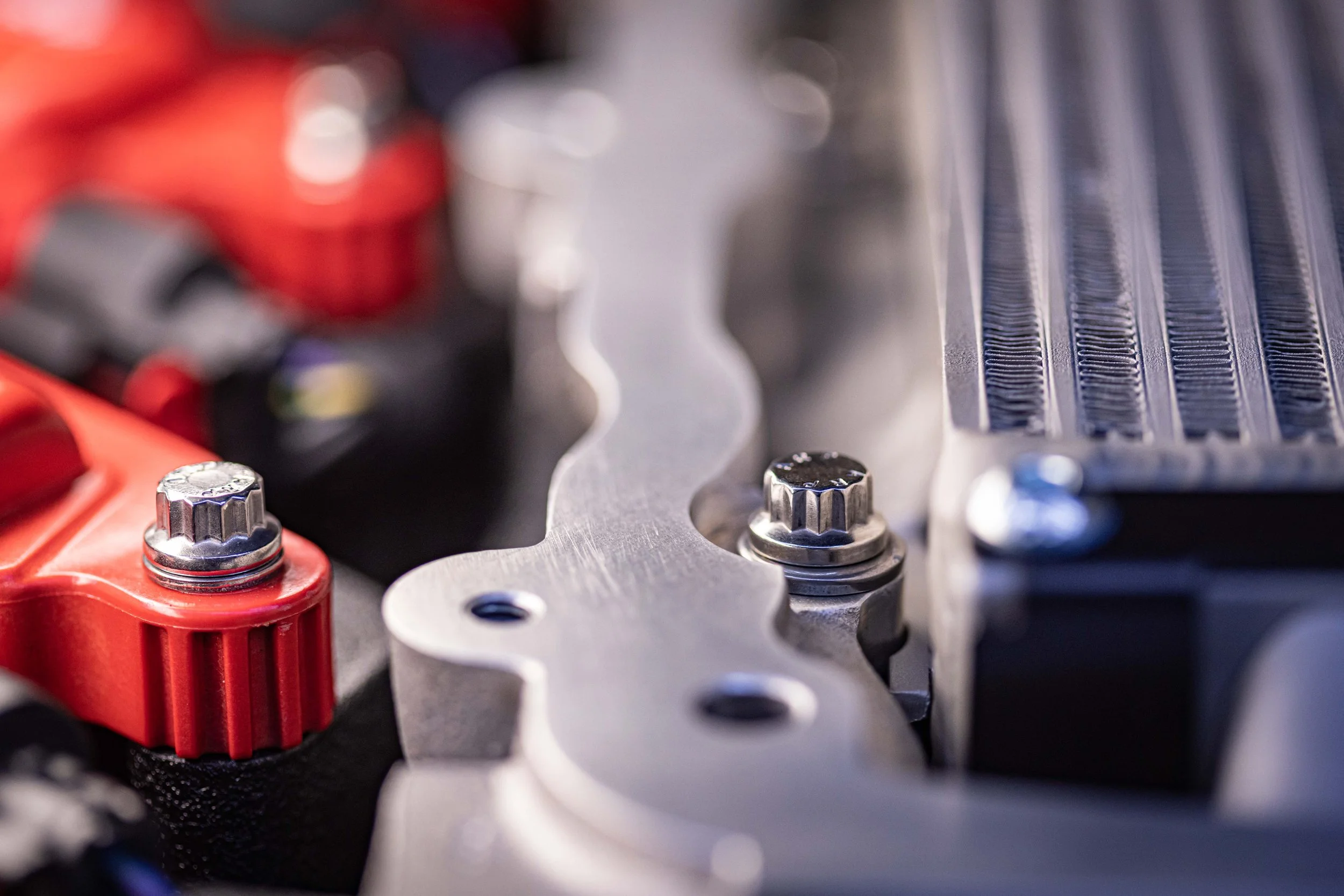
The CSF radiator uses a two-row, 42mm aluminum core with approximately 16% greater core volume than the factory radiator, according to CSF. Its exclusive B-Tube Technology improves heat transfer compared with conventional oval welded tubes. The latest 5mm multi-louvered fins provide additional heat-transfer surface area within the core.
Together, these features are designed to improve heat rejection and support cooling recovery under sustained load. CSF reports approximately 20–25% improved heat-transfer efficiency from the combined tube and fin design. That efficiency figure describes the radiator technology; it does not mean every vehicle will experience a corresponding percentage reduction in coolant temperature.
All-Aluminum Construction
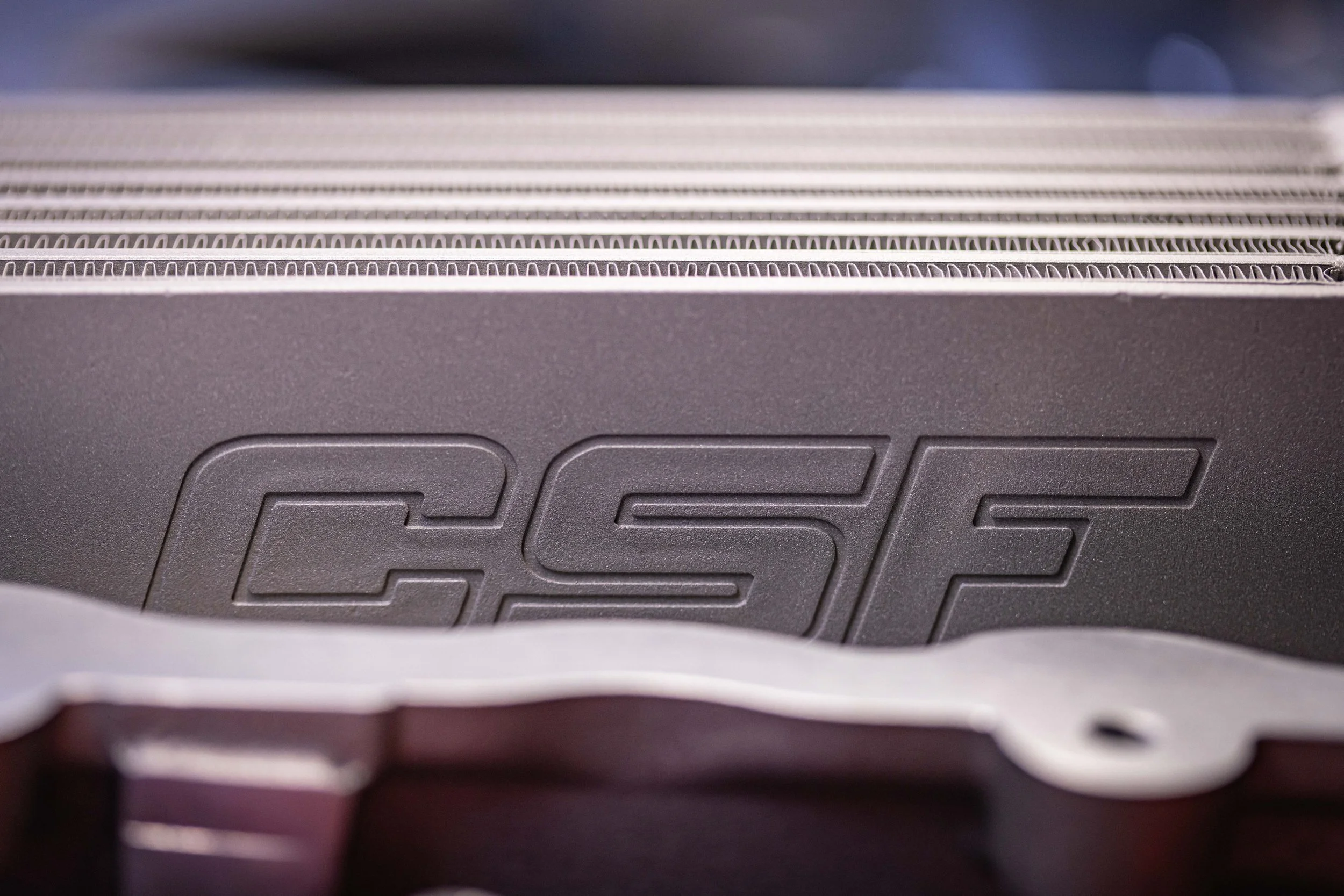
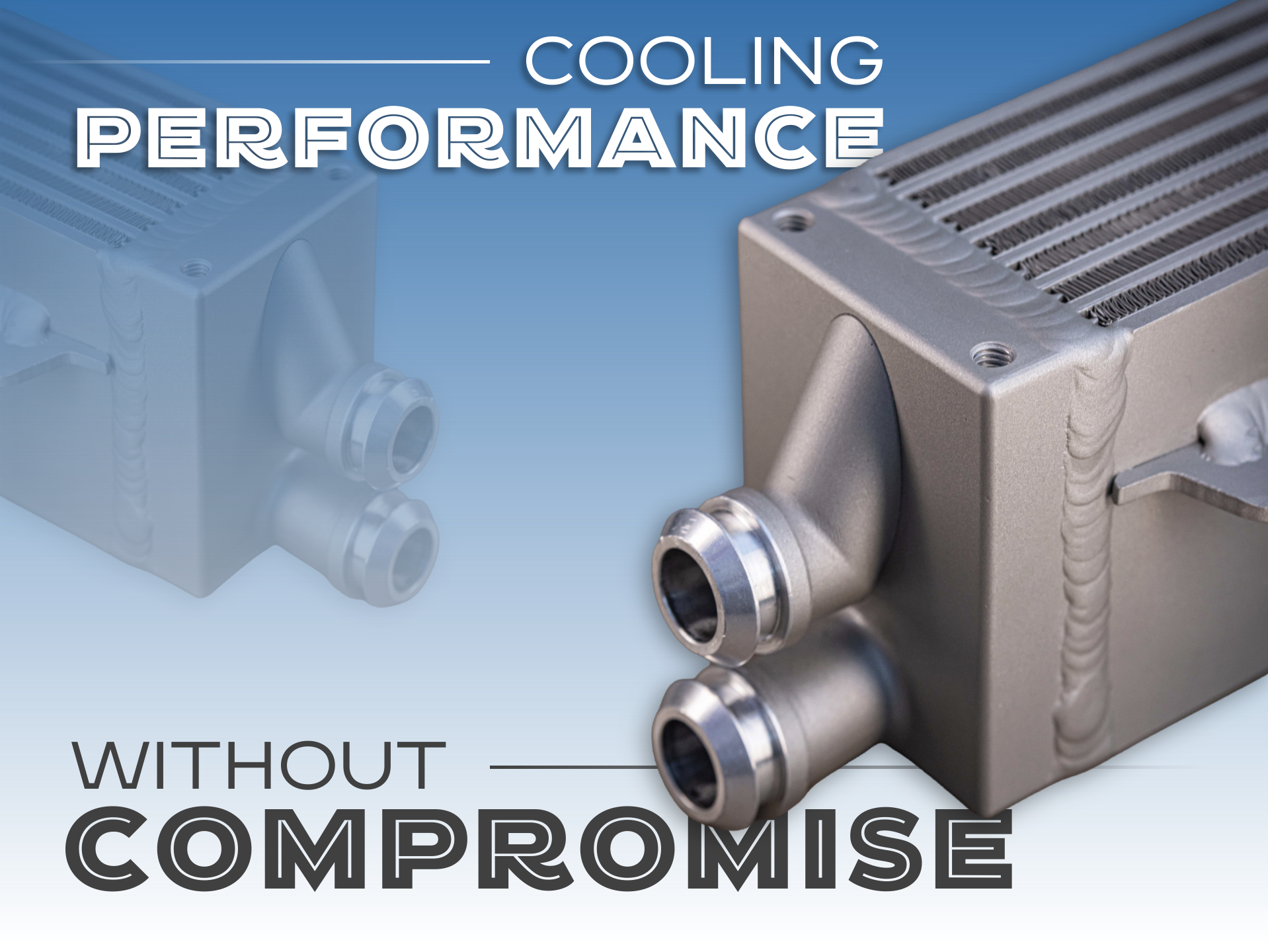
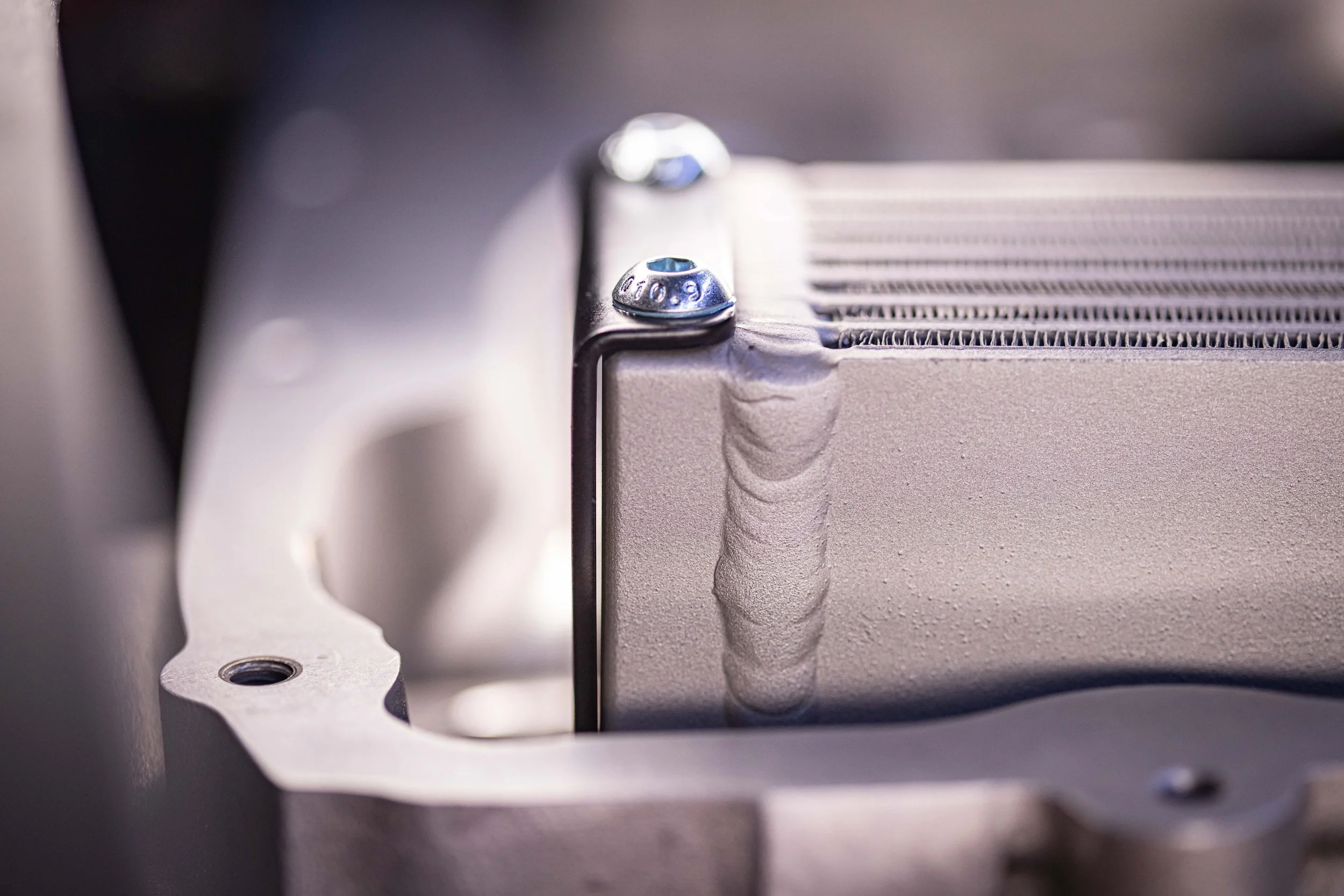
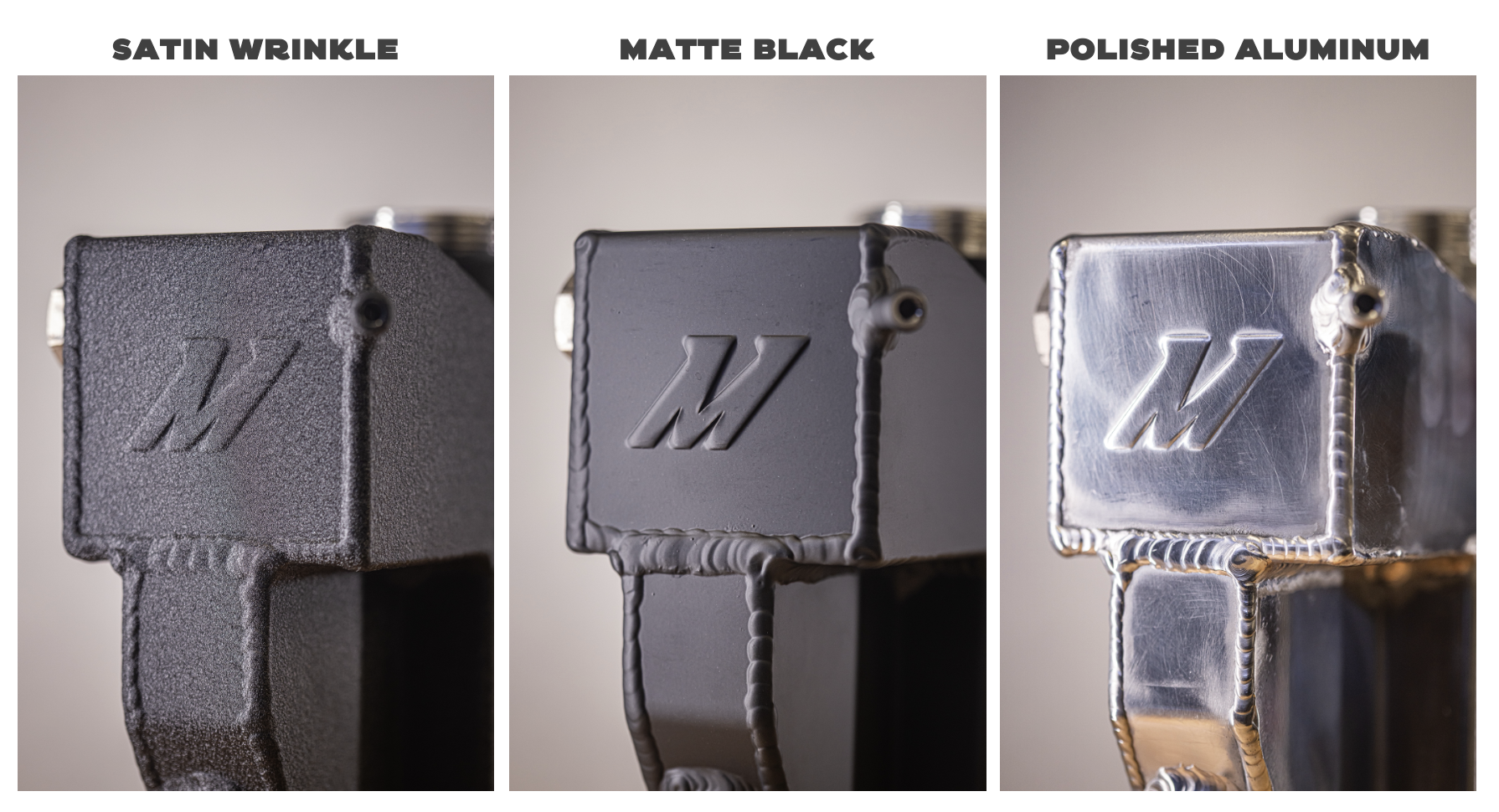
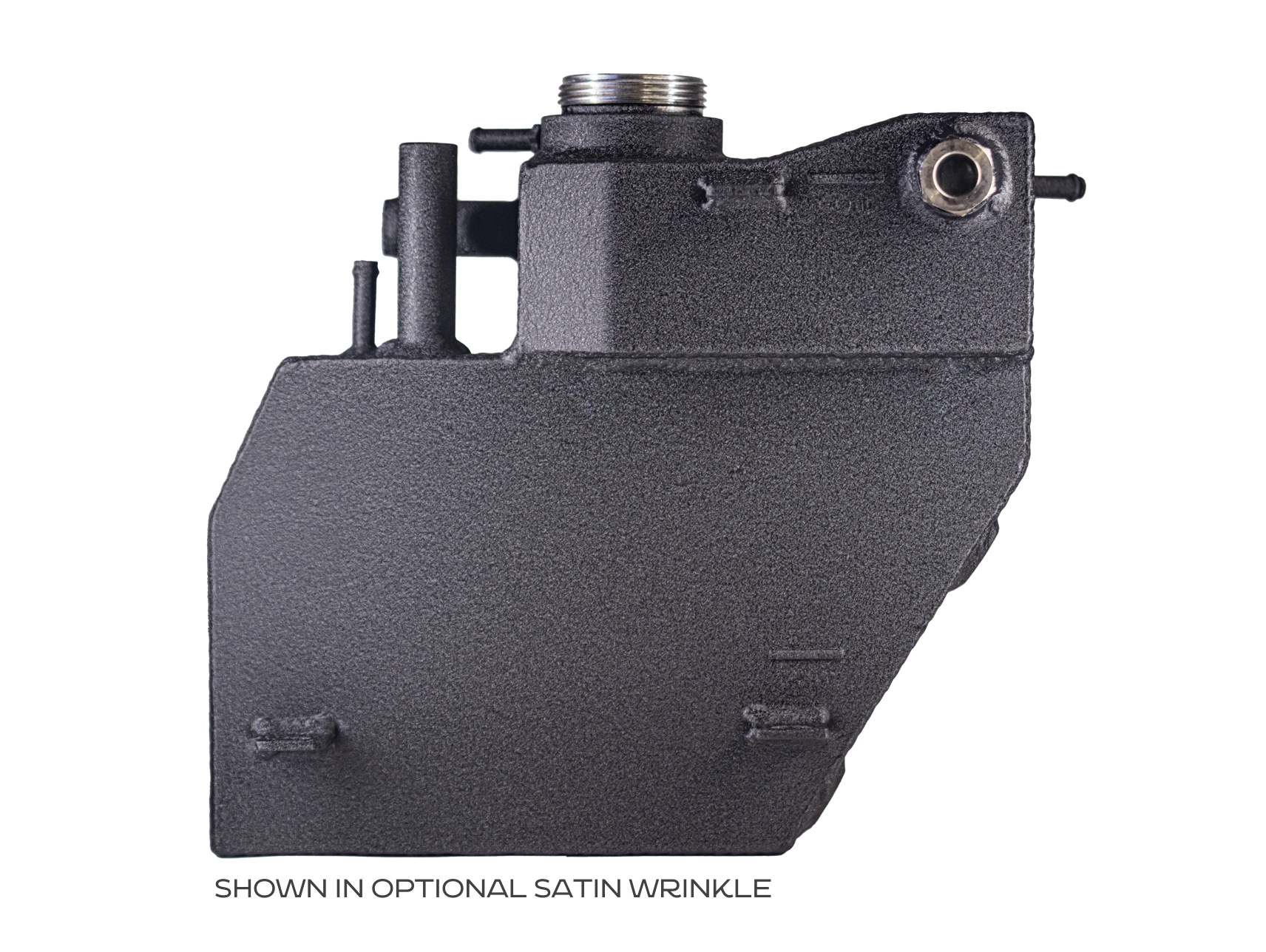
The factory radiator combines an aluminum core with crimped plastic end tanks. CSF replaces that construction with TIG-welded aluminum tanks and an aluminum core, eliminating the plastic end tanks and their crimped tank-to-core joints. CNC-machined mounting brackets, OEM-style inlet and outlet connections, and a satin finish provide a durable replacement that integrates with the factory cooling package.
Each radiator is individually leak and pressure tested and carries a two-year limited warranty.
Integrated Transmission Oil Cooler
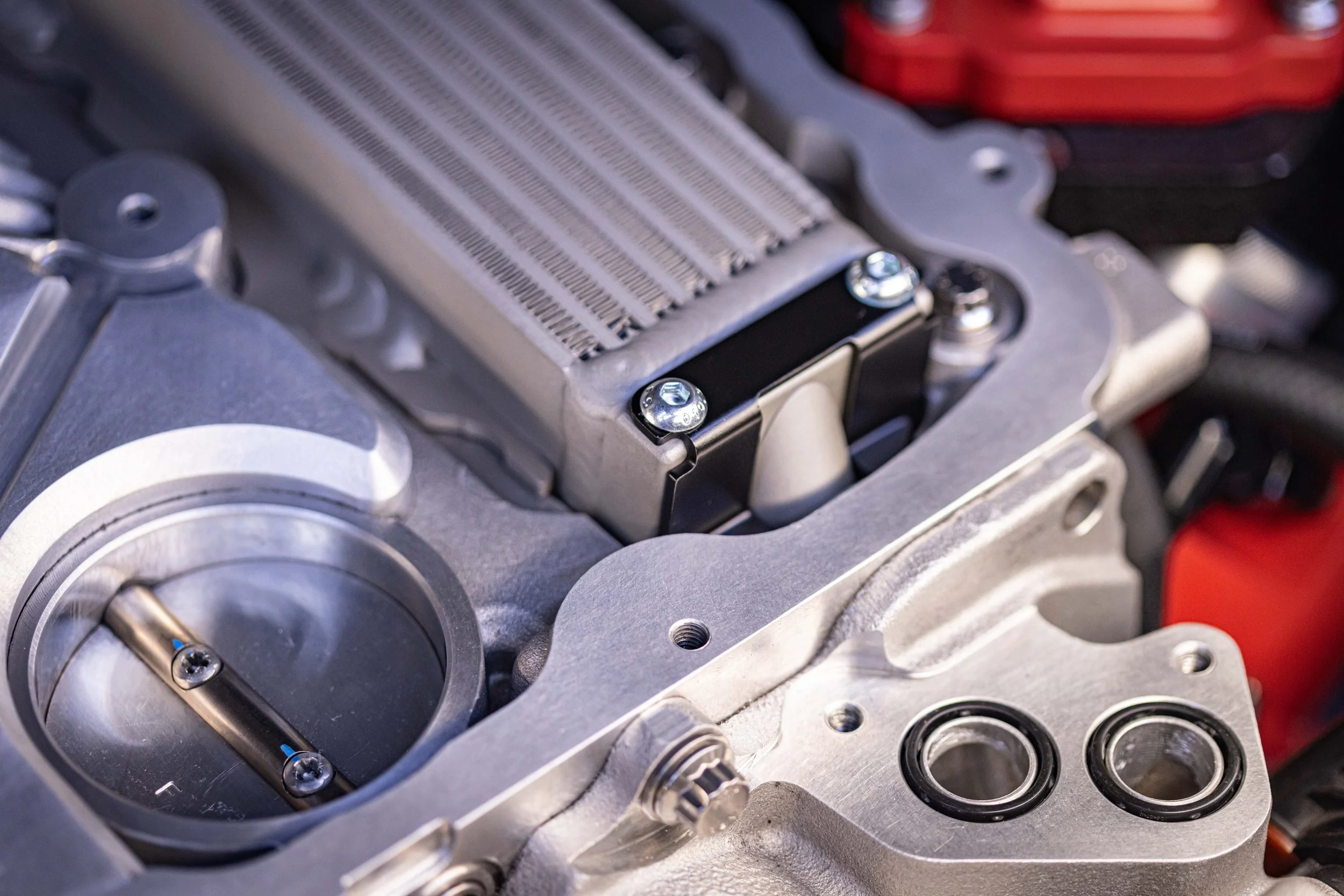
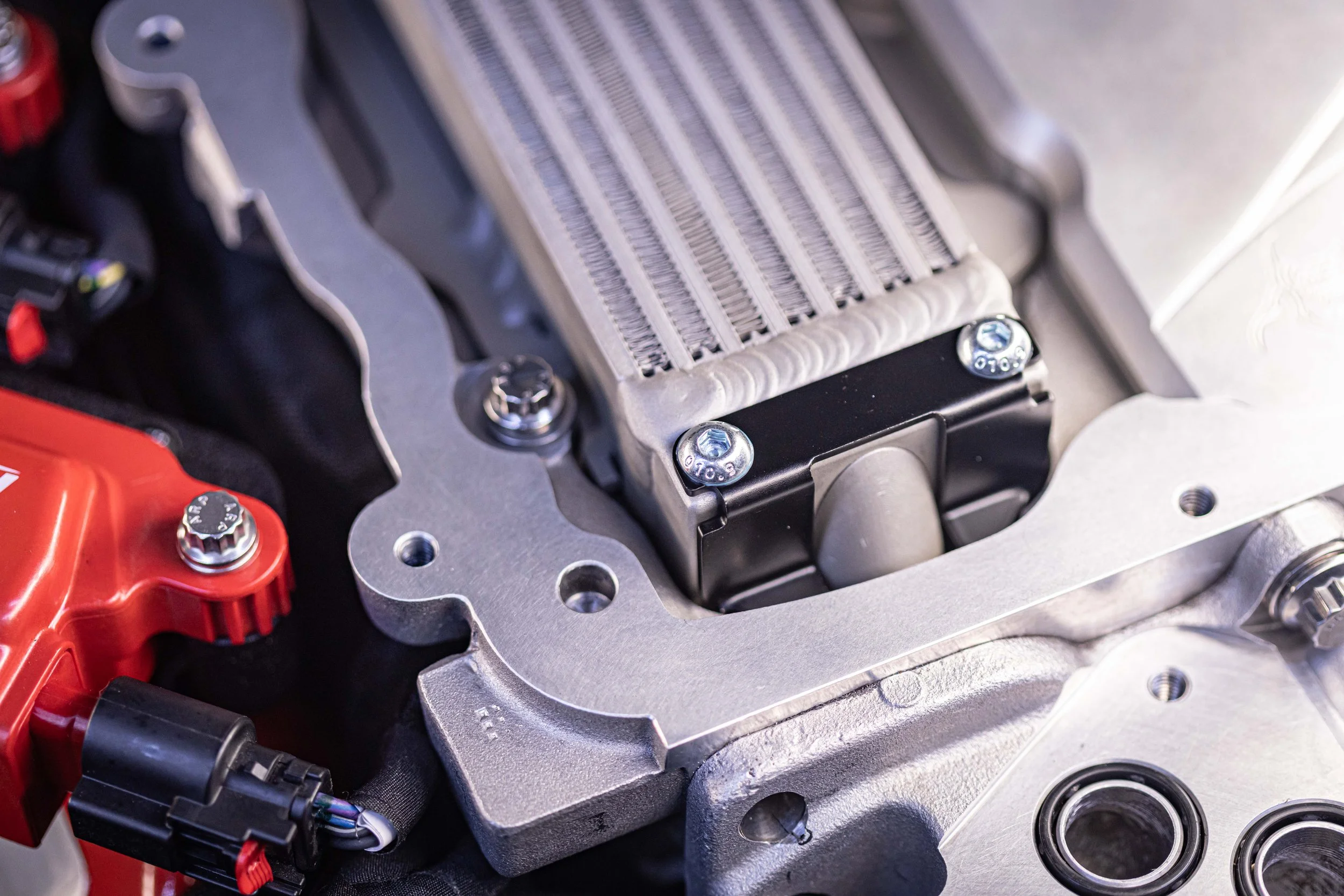
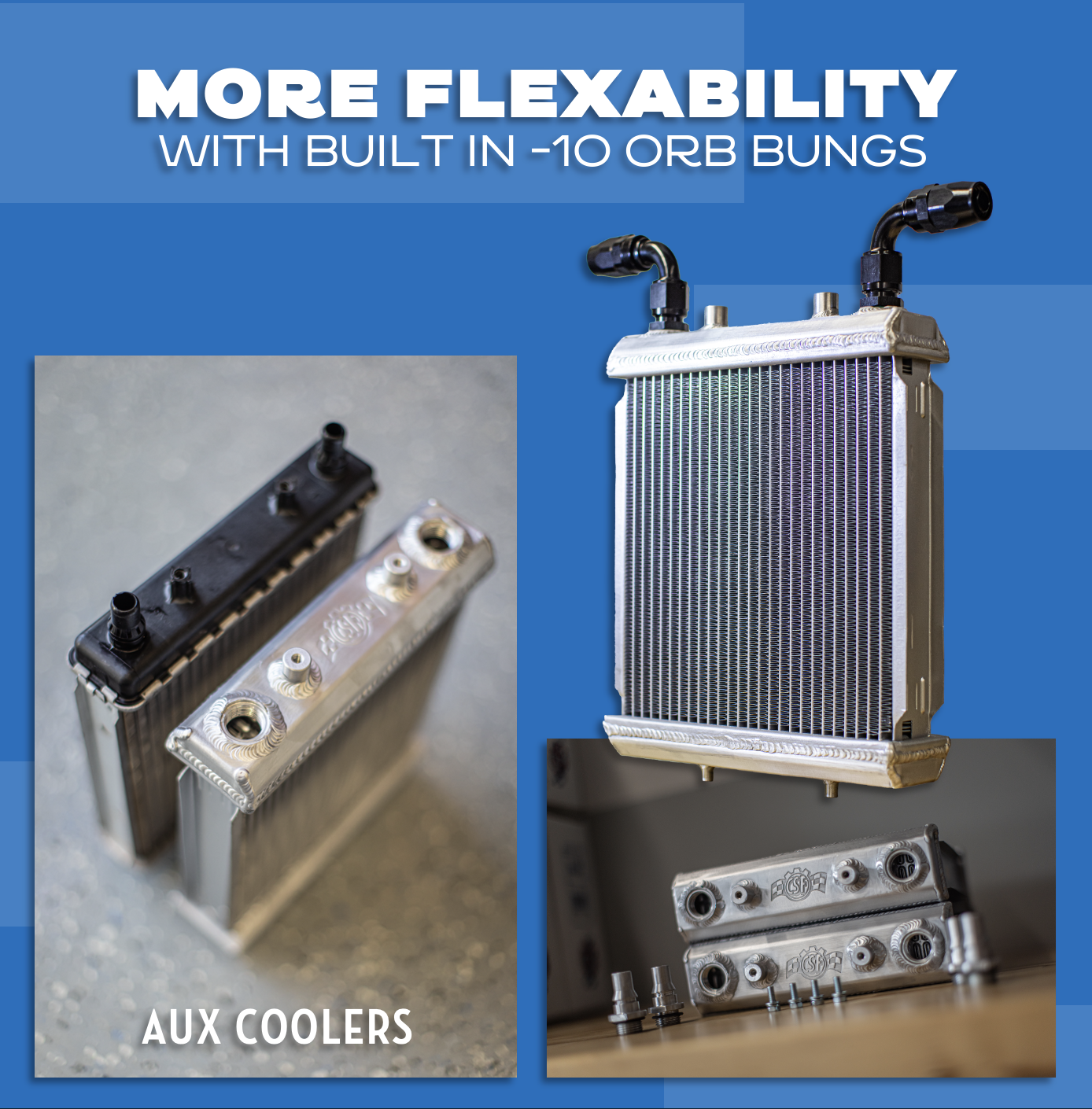
Just like the OEM version, the new CSF High Performance Radiator comes equipped with a a four-plate transmission oil cooler is built into the driver-side end tank and uses factory-style connections. According to CSF’s application guidance, these connections can remain unused on manual-transmission Camaro LT1 and SS applications. Camaro ZL1 and Cadillac CTS-V applications require the integrated cooler.
Factory Fitment
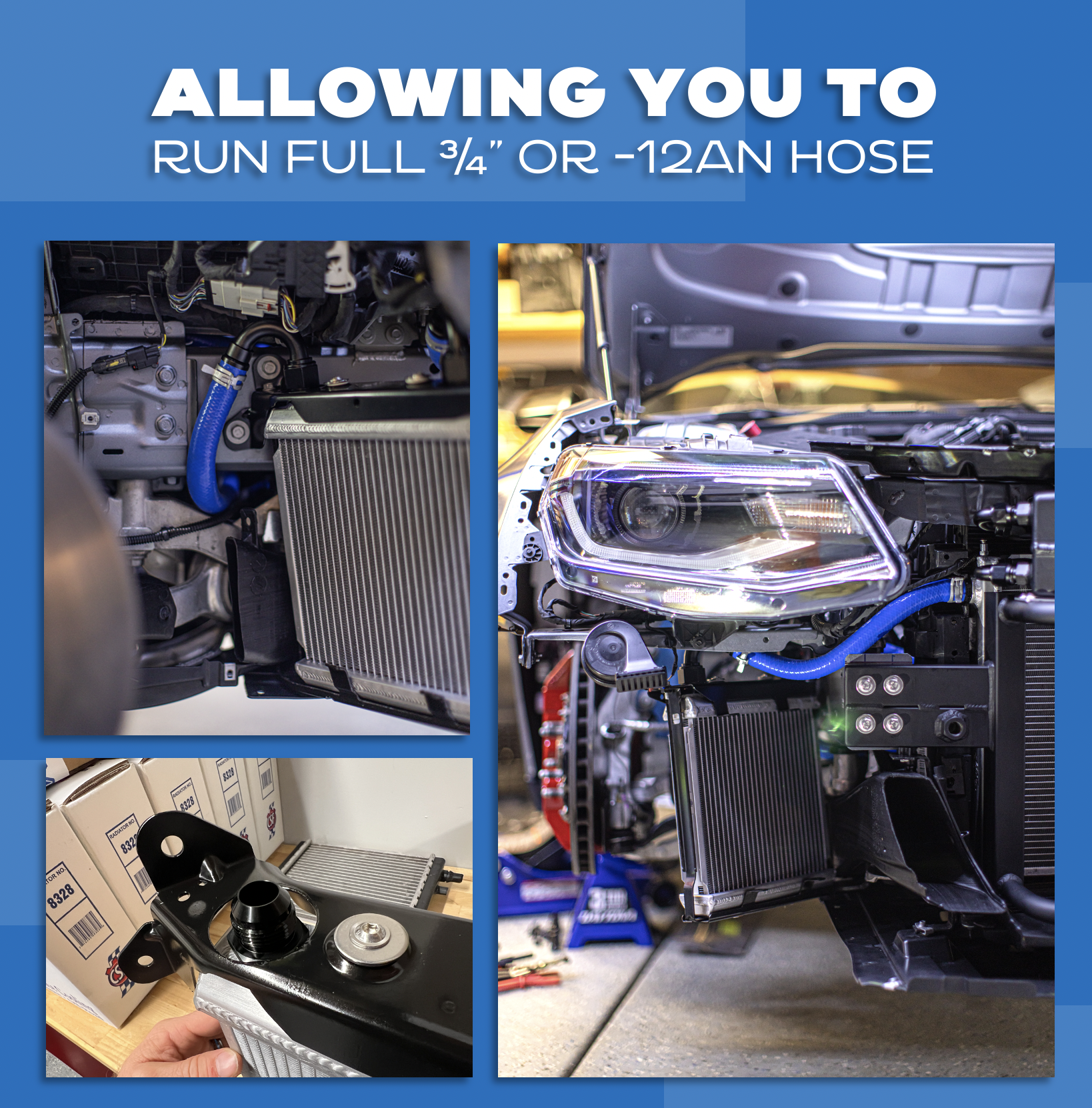
CSF worked hard to ensure a direct replacement installation with no modifications required for the listed applications. This radiator retains compatibility with all factory mounting points, cooling fan and shroud, brackets, and the front-mounted A/C condenser.
Griffin Motorsports Insight: Cooling Works as a System
On supercharged LT4 applications, the main radiator operates behind a cooling stack that includes the A/C condenser and supercharger heat exchanger. During demanding use, the radiator must reject engine heat while receiving air that may already have absorbed heat from components ahead of it.
Increasing power or sustaining load for longer periods can make that balance more demanding.
The main radiator, auxiliary radiators, supercharger heat exchangers, and engine oil cooler each serve a specific role. A balanced cooling strategy considers the entire package—along with airflow, coolant circulation, and operating conditions.
The CSF #7249 addresses the main engine radiator, making it a relevant upgrade for both naturally aspirated LT1 builds and supercharged LT4 applications.
Features;
• Two-row, 42mm high-performance TIG Welded all aluminum construction. • CSF exclusive B-Tube Technology with CSF’s latest 5mm multi-louvered fins
• Approximately 16% greater core volume than the factory radiator • Direct replacement installation with no modifications required
• Impressive 20–25% improvement in heat-transfer efficiency
• Integrated four-plate transmission oil cooler
• CNC-machined mounting brackets
• OEM-style inlet and outlet connections
• Individually leak and pressure tested
• Two-year limited warranty
Applications;
• 2016–2024 Chevrolet Camaro LT1 / SS / ZL1 — automatic and manual transmissions
• 2016–2019 Cadillac CTS-V
CSF Part Number: 7249
OEM Cross-References: GM 86551904 / 86551905
Go Faster & Stay Cooler.
Dave Schutz’s reported temperatures reflect his specific modified vehicle, cooling configuration, and operating conditions. Your results will vary by application.
CSF High-Performance All-Aluminum Radiator | 2016–2024 Camaro LT1 / SS / ZL1 & 2016–2019 Cadillac CTS-V | #7249
Power Deserves Cooling That Keeps Pace.
More horsepower. Longer sessions. Hotter conditions. As the demands on your Camaro or CTS-V increase, your engine cooling system needs to keep pace.
The CSF #7249 High-Performance All-Aluminum Radiator combines a thicker, two-row core, CSF’s exclusive B-Tube Technology, and its latest 5mm multi-louvered fins in a replacement designed around factory mounting points and connections. This equates to a 20–25% greater heat-transfer efficiency through its combined tube and fin technology. An integrated four-plate transmission oil cooler and TIG-welded aluminum construction complete a cooling upgrade built for demanding street and track applications.
At Griffin Motorsports, our experience with this radiator began well before its release, with an early prototype supplied for fitment evaluation on our 1,000hp Camaro ZL1 Shop Car.
From Prototype Fitment to Track Evaluation
We helped evaluate the initial prototype, identified fitment issues, and provided feedback during development. Once the next revision was completed, we sent it off a friend in the road-racing community for further evaluation.
That radiator ultimately found its way onto Dave Schutz’s extensively built “Katech Camaro.”
Coming off a season that included an Optima Ultimate Streetcar Series GT Class Championship and an SCCA Solo Nationals National Championship, Dave’s Camaro received a substantial evolution for 2026: a naturally aspirated Katech 7.1L, 15:1-compression engine producing 760+ horsepower, paired with a ZR1 close-ratio transmission.
The new combination added more than 130 wheel horsepower and 100 lb-ft of torque over the previous build. Supporting that evolution brought together Zach and Dylin at Chamberlain Speed, Griffin Motorsports, and CSF.
According to Dave, despite all the extra HP, during back-to-back hot laps in 95°F ambient conditions, coolant temperatures remained between 185–195°F and never exceed 205°F.
“The CSF all-aluminum ZL1 radiator has exceeded expectations.”
— Dave Schutz, “The Katech Camaro”
His most significant takeaway was the temperature stability throughout repeated laps, and the confidence that consistency provided behind the wheel.
More Core. More Heat-Transfer Surface.
The CSF radiator uses a two-row, 42mm aluminum core with approximately 16% greater core volume than the factory radiator, according to CSF. Its exclusive B-Tube Technology improves heat transfer compared with conventional oval welded tubes. The latest 5mm multi-louvered fins provide additional heat-transfer surface area within the core.
Together, these features are designed to improve heat rejection and support cooling recovery under sustained load. CSF reports approximately 20–25% improved heat-transfer efficiency from the combined tube and fin design. That efficiency figure describes the radiator technology; it does not mean every vehicle will experience a corresponding percentage reduction in coolant temperature.
All-Aluminum Construction
The factory radiator combines an aluminum core with crimped plastic end tanks. CSF replaces that construction with TIG-welded aluminum tanks and an aluminum core, eliminating the plastic end tanks and their crimped tank-to-core joints. CNC-machined mounting brackets, OEM-style inlet and outlet connections, and a satin finish provide a durable replacement that integrates with the factory cooling package.
Each radiator is individually leak and pressure tested and carries a two-year limited warranty.
Integrated Transmission Oil Cooler
Just like the OEM version, the new CSF High Performance Radiator comes equipped with a a four-plate transmission oil cooler is built into the driver-side end tank and uses factory-style connections. According to CSF’s application guidance, these connections can remain unused on manual-transmission Camaro LT1 and SS applications. Camaro ZL1 and Cadillac CTS-V applications require the integrated cooler.
Factory Fitment
CSF worked hard to ensure a direct replacement installation with no modifications required for the listed applications. This radiator retains compatibility with all factory mounting points, cooling fan and shroud, brackets, and the front-mounted A/C condenser.
Griffin Motorsports Insight: Cooling Works as a System
On supercharged LT4 applications, the main radiator operates behind a cooling stack that includes the A/C condenser and supercharger heat exchanger. During demanding use, the radiator must reject engine heat while receiving air that may already have absorbed heat from components ahead of it.
Increasing power or sustaining load for longer periods can make that balance more demanding.
The main radiator, auxiliary radiators, supercharger heat exchangers, and engine oil cooler each serve a specific role. A balanced cooling strategy considers the entire package—along with airflow, coolant circulation, and operating conditions.
The CSF #7249 addresses the main engine radiator, making it a relevant upgrade for both naturally aspirated LT1 builds and supercharged LT4 applications.
Features;
• Two-row, 42mm high-performance TIG Welded all aluminum construction. • CSF exclusive B-Tube Technology with CSF’s latest 5mm multi-louvered fins
• Approximately 16% greater core volume than the factory radiator • Direct replacement installation with no modifications required
• Impressive 20–25% improvement in heat-transfer efficiency
• Integrated four-plate transmission oil cooler
• CNC-machined mounting brackets
• OEM-style inlet and outlet connections
• Individually leak and pressure tested
• Two-year limited warranty
Applications;
• 2016–2024 Chevrolet Camaro LT1 / SS / ZL1 — automatic and manual transmissions
• 2016–2019 Cadillac CTS-V
CSF Part Number: 7249
OEM Cross-References: GM 86551904 / 86551905
Go Faster & Stay Cooler.
Dave Schutz’s reported temperatures reflect his specific modified vehicle, cooling configuration, and operating conditions. Your results will vary by application.

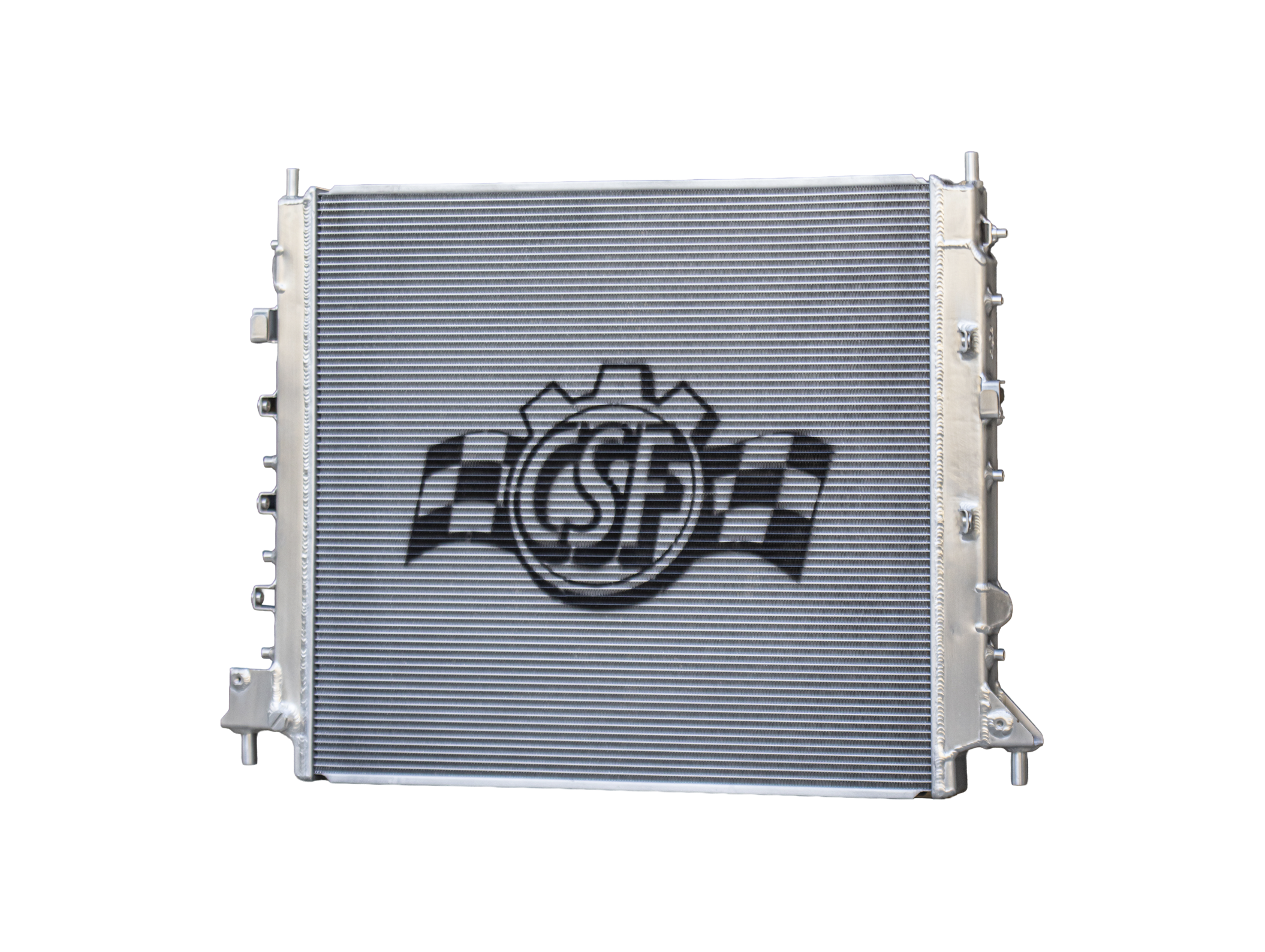 Image 1 of 11
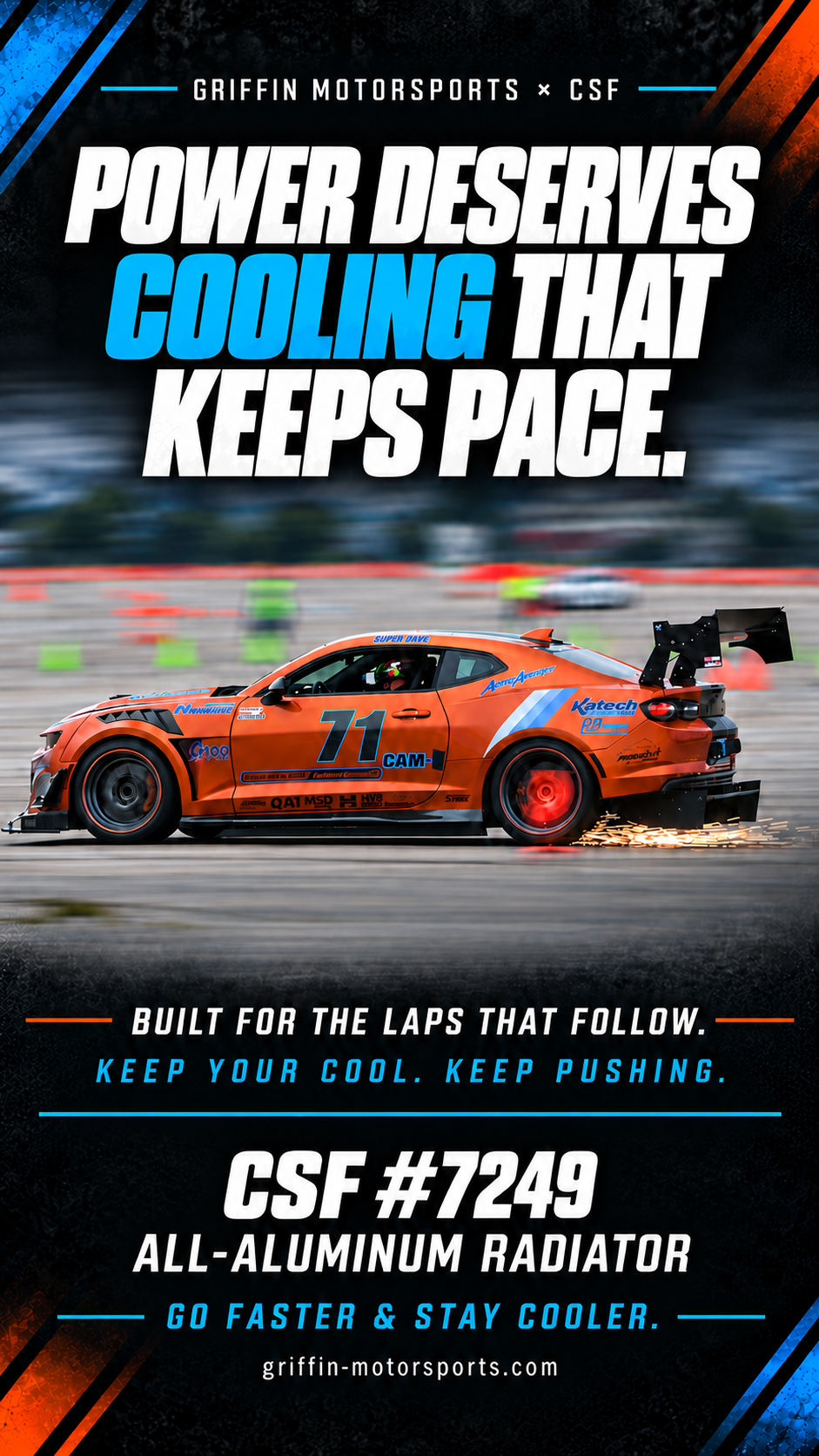 Image 2 of 11
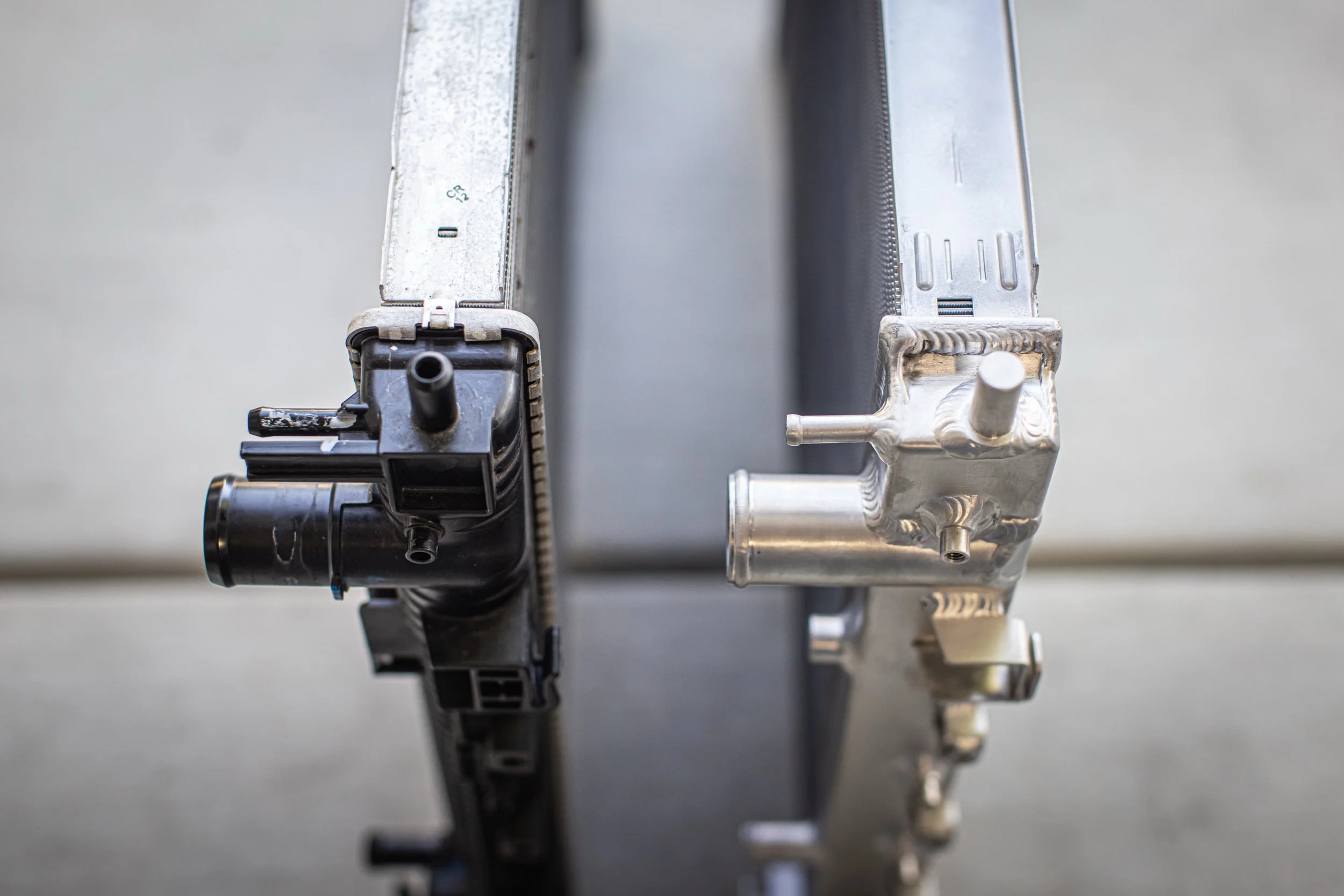 Image 3 of 11
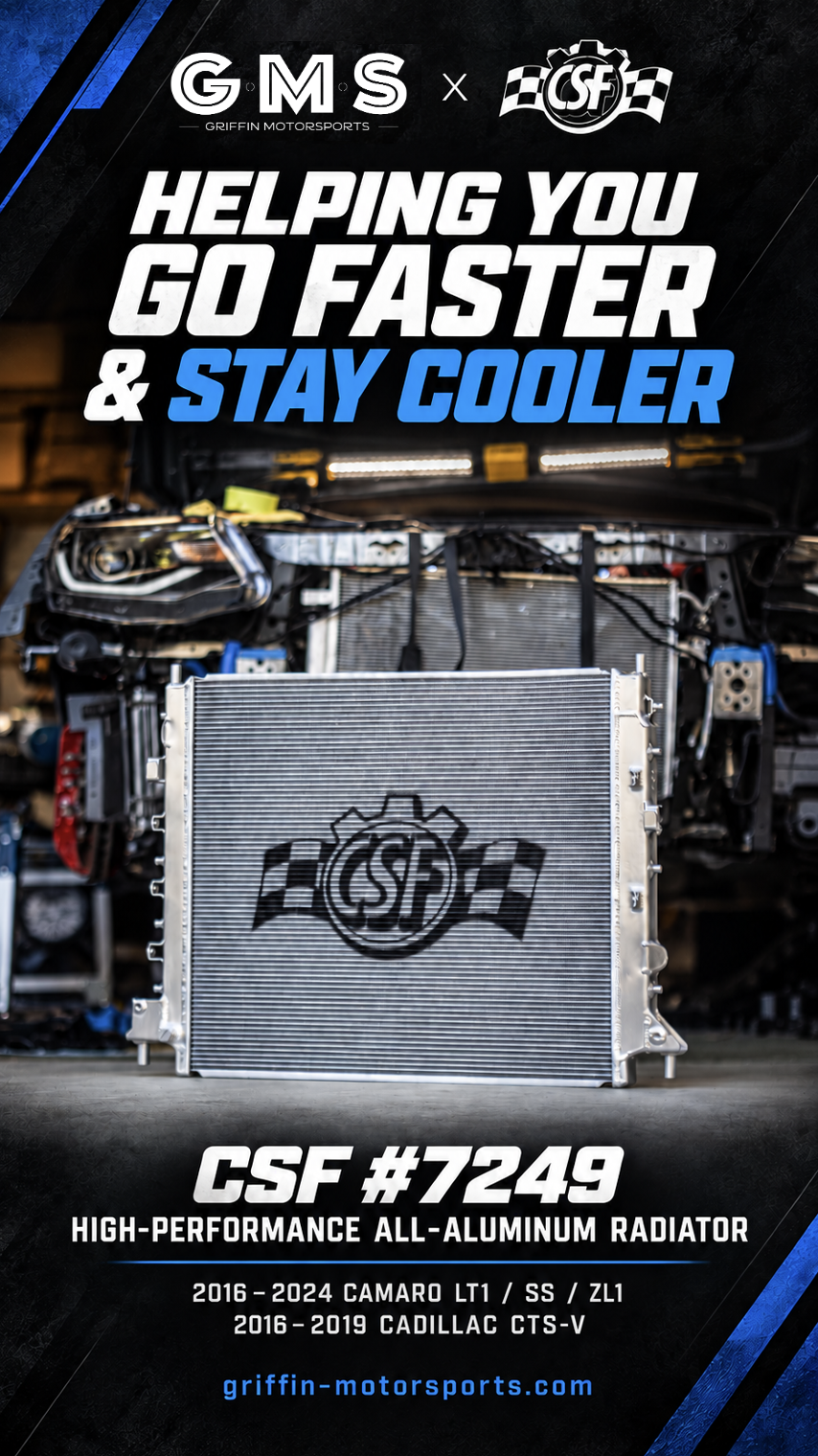 Image 4 of 11
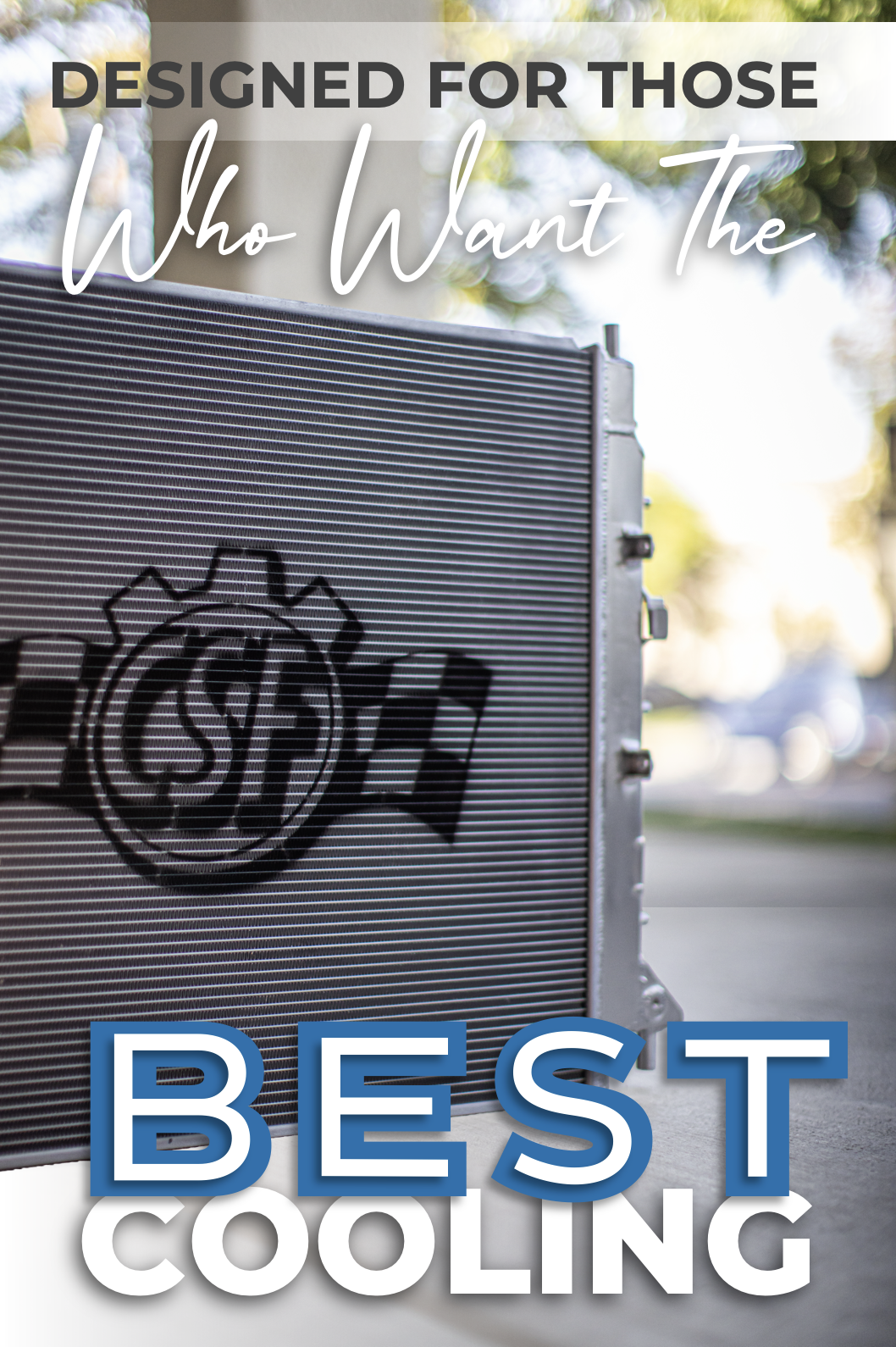 Image 5 of 11
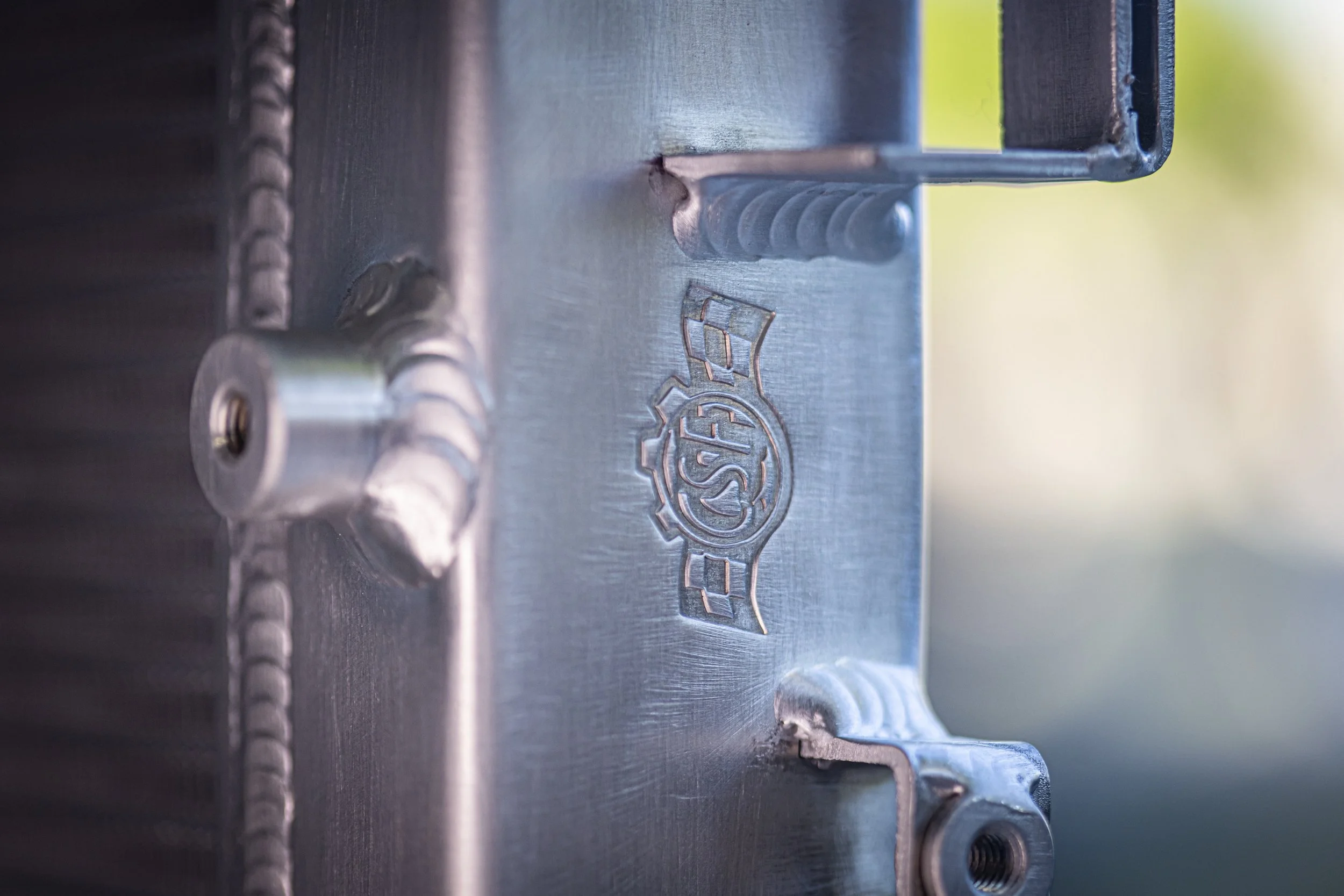 Image 6 of 11
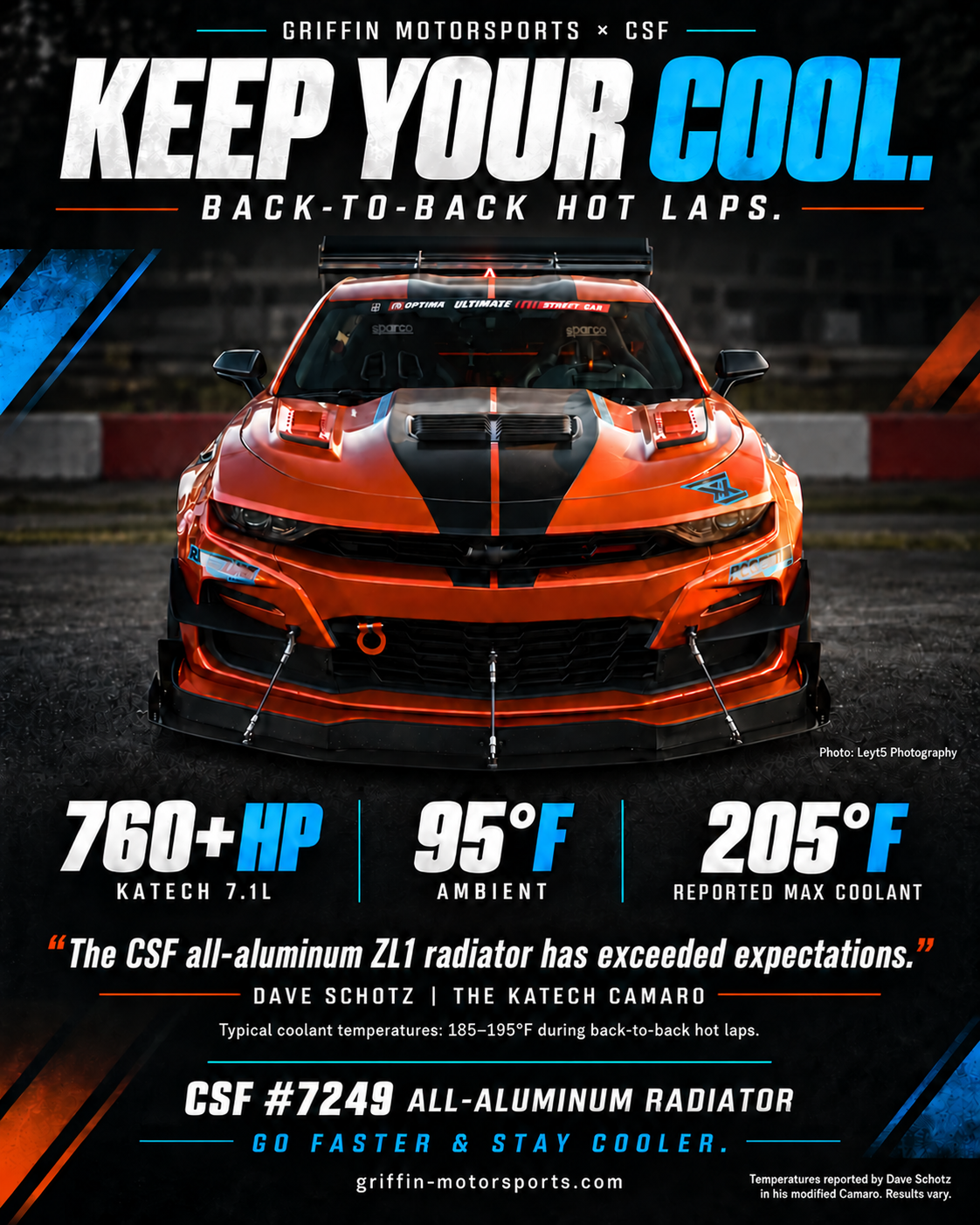 Image 7 of 11
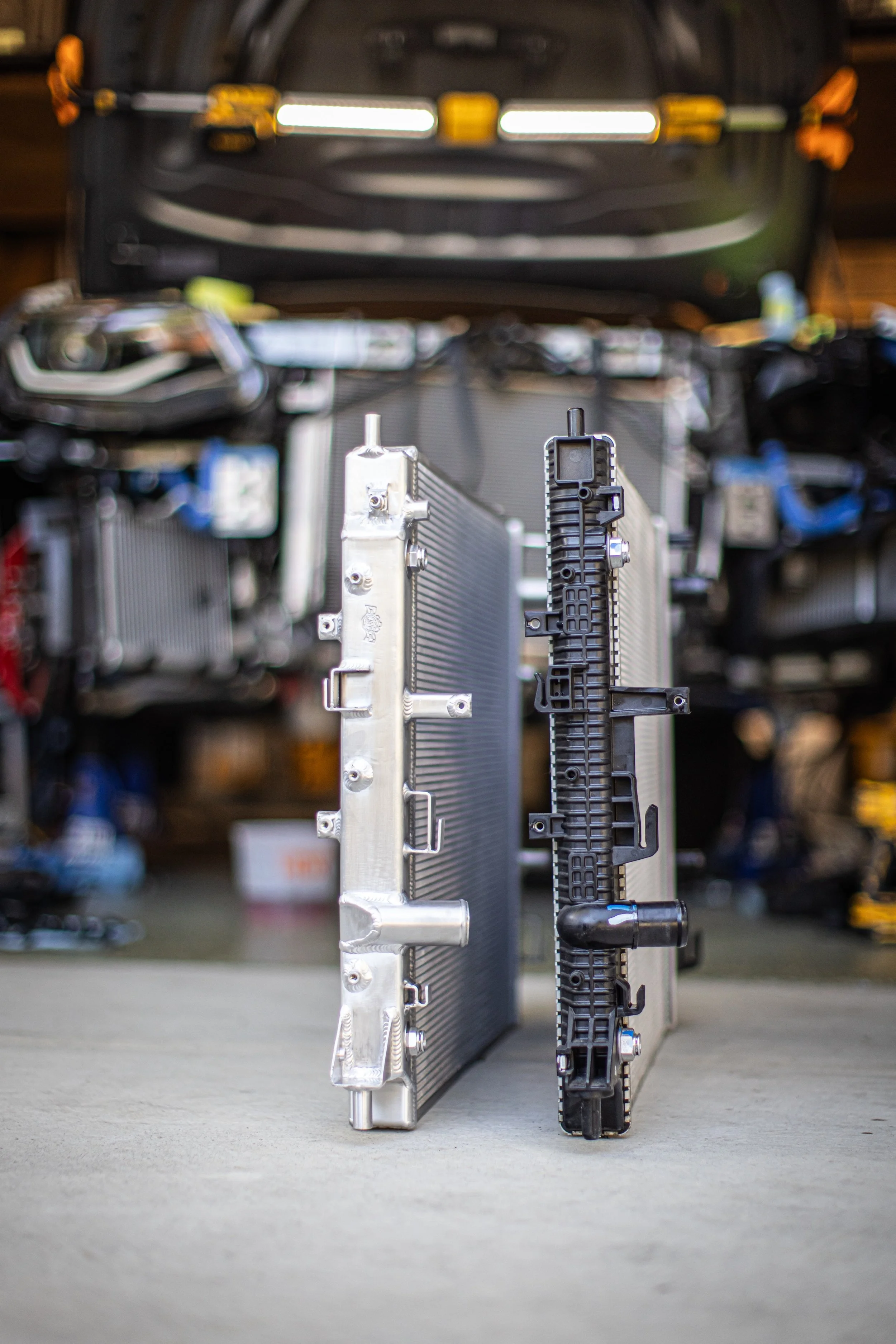 Image 8 of 11
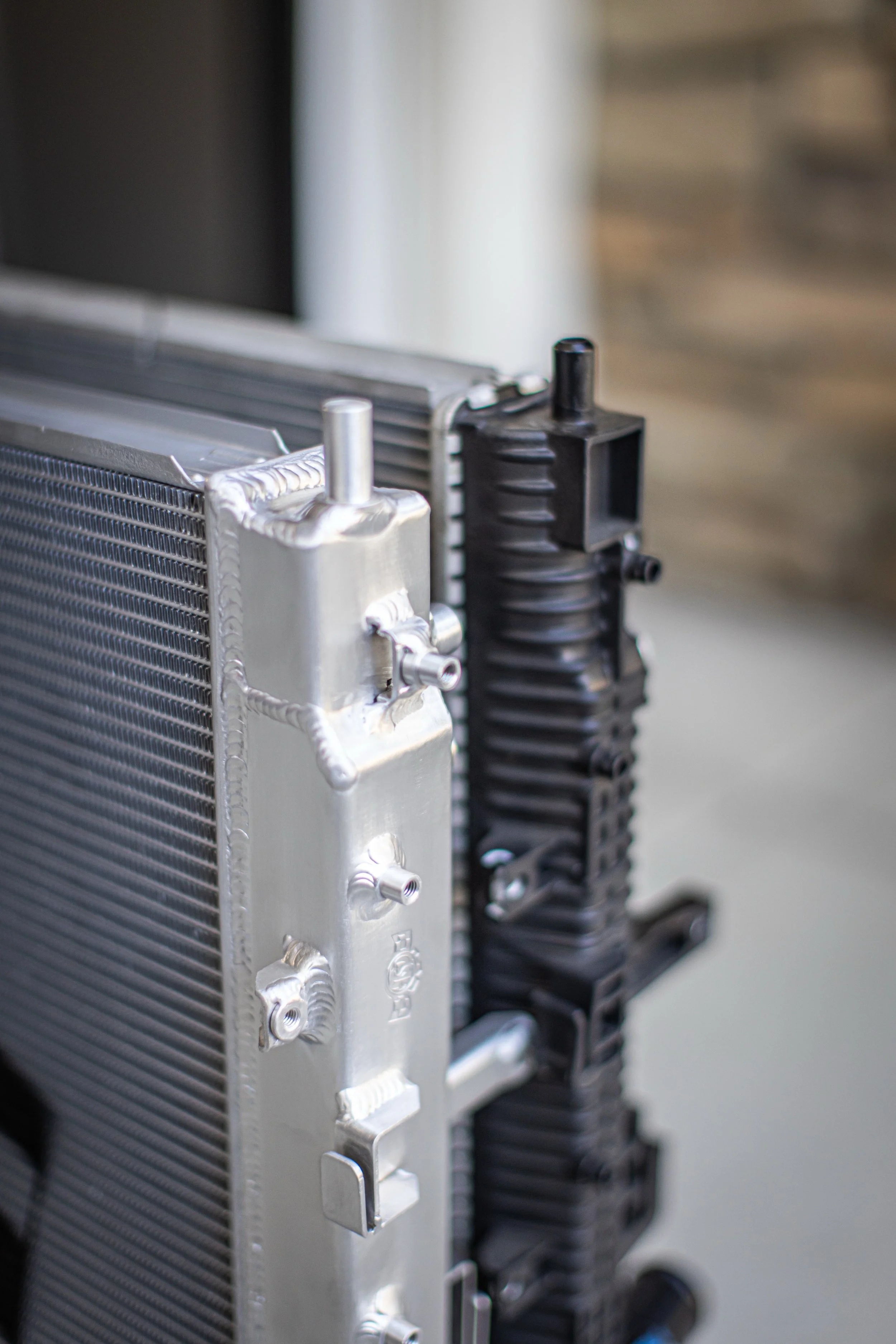 Image 9 of 11
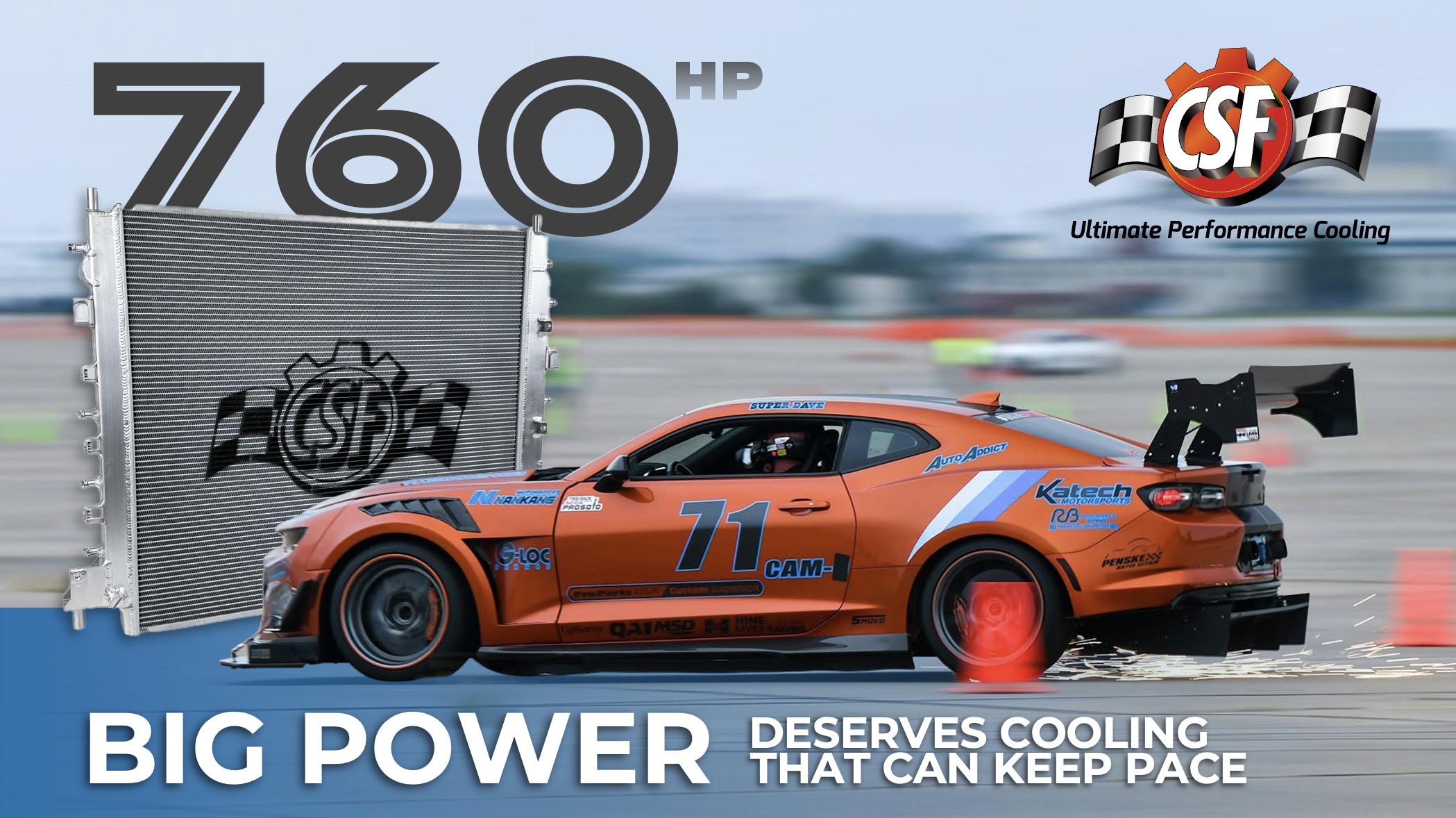 Image 10 of 11
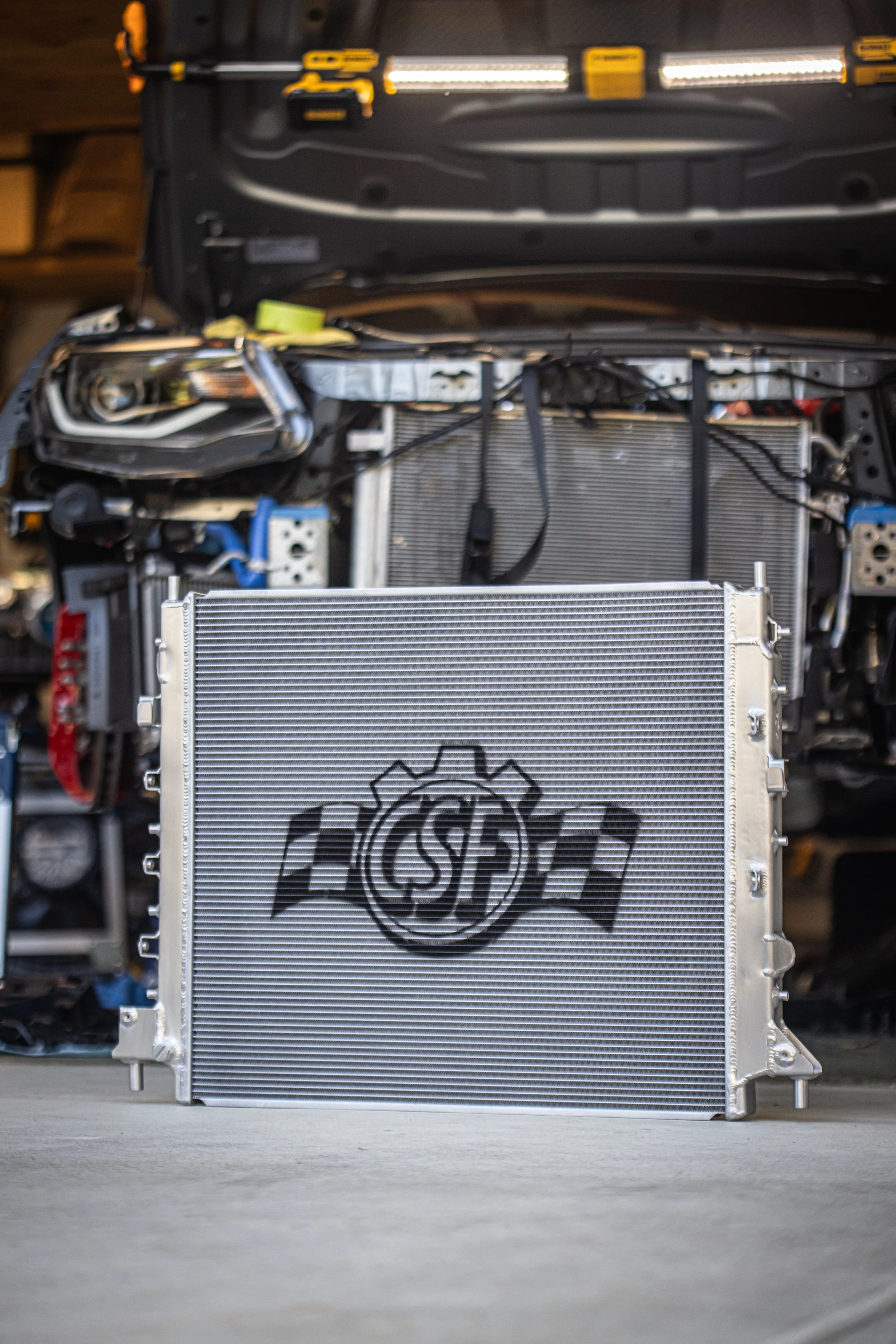 Image 11 of 11